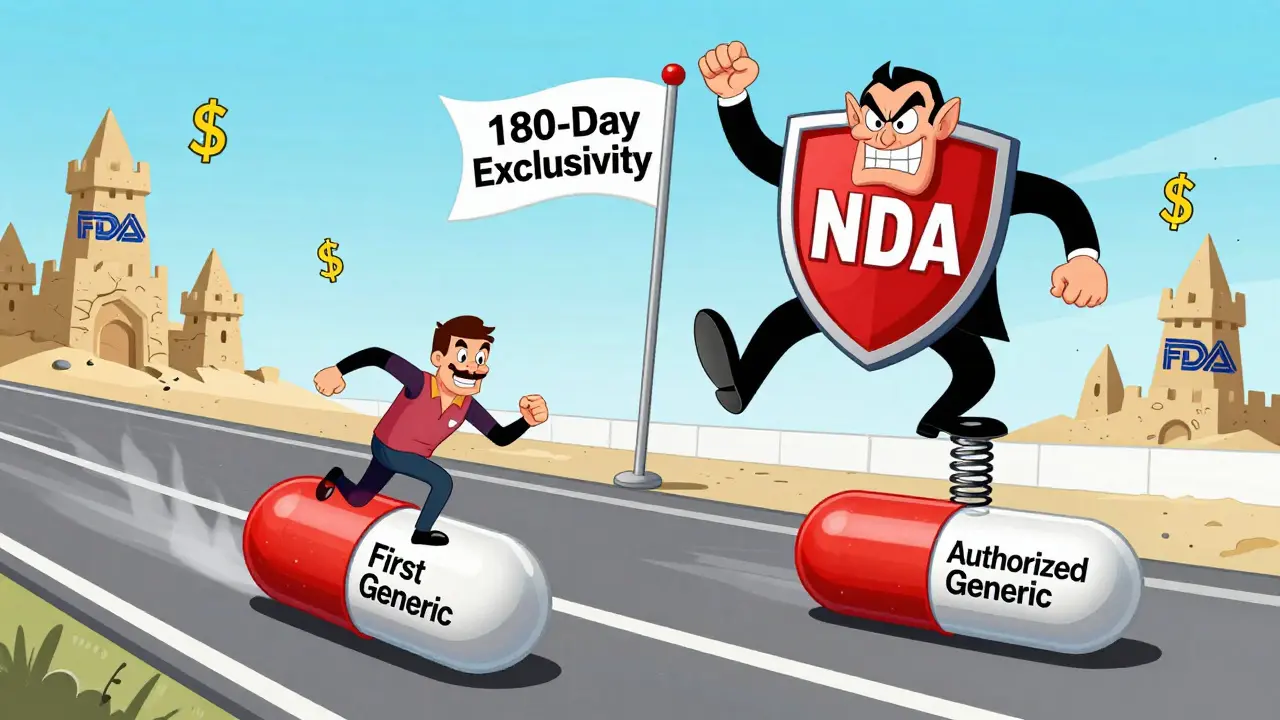
First generics and authorized generics both offer cheaper versions of brand-name drugs, but their timing and strategy differ dramatically. Authorized generics, launched by the original brand company, often enter the market on the same day as the first generic - slashing profits and limiting price drops. This tactic undermines the incentives built into the Hatch-Waxman Act.
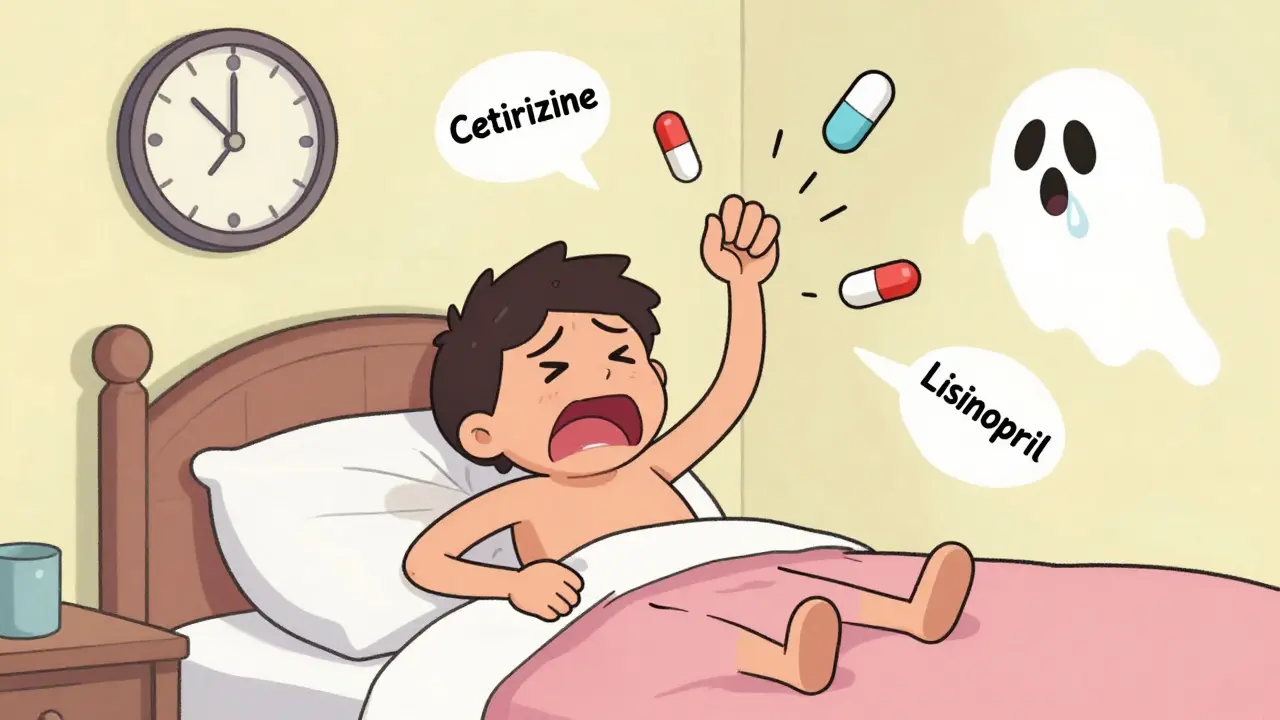
Itching from medications is a real and often overlooked side effect. Learn which drugs cause it, why antihistamines sometimes make it worse, and what actually works to treat it.
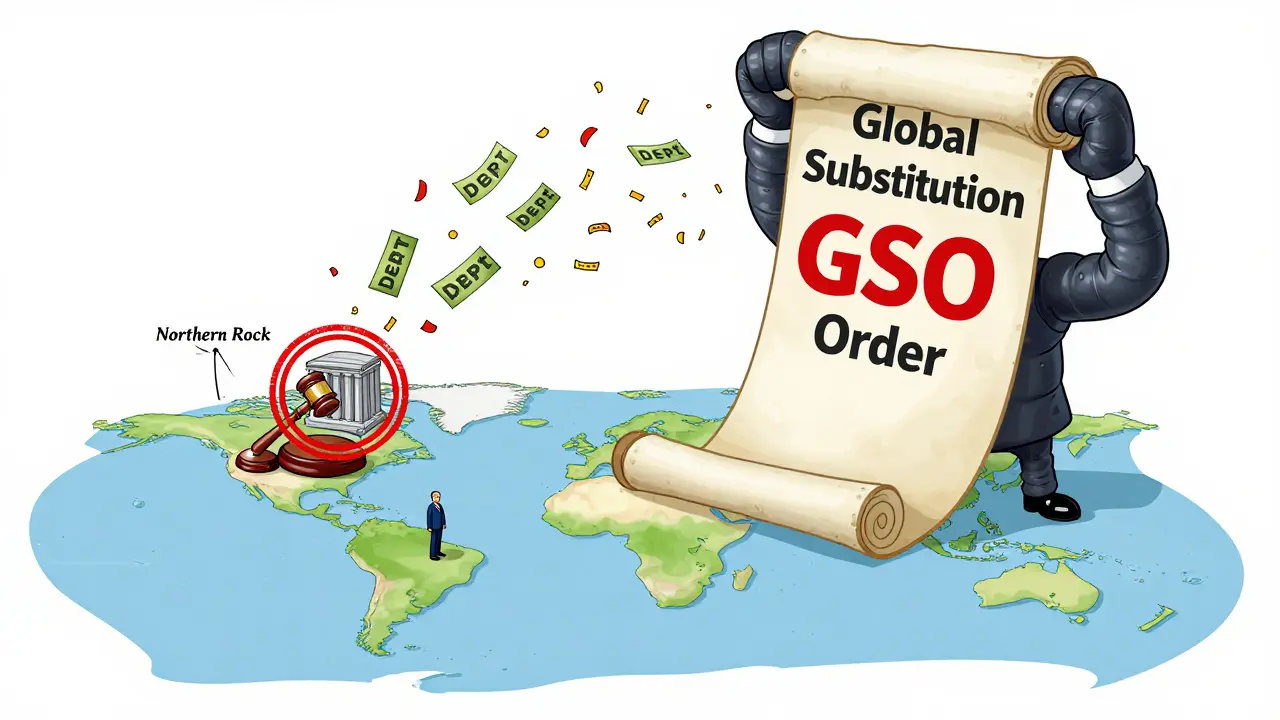
Global substitution laws like the UK's GSO let companies transfer thousands of legal claims with one court order, cutting costs by up to 85%. Learn how it works, where it's used, and why it's changing international debt recovery.
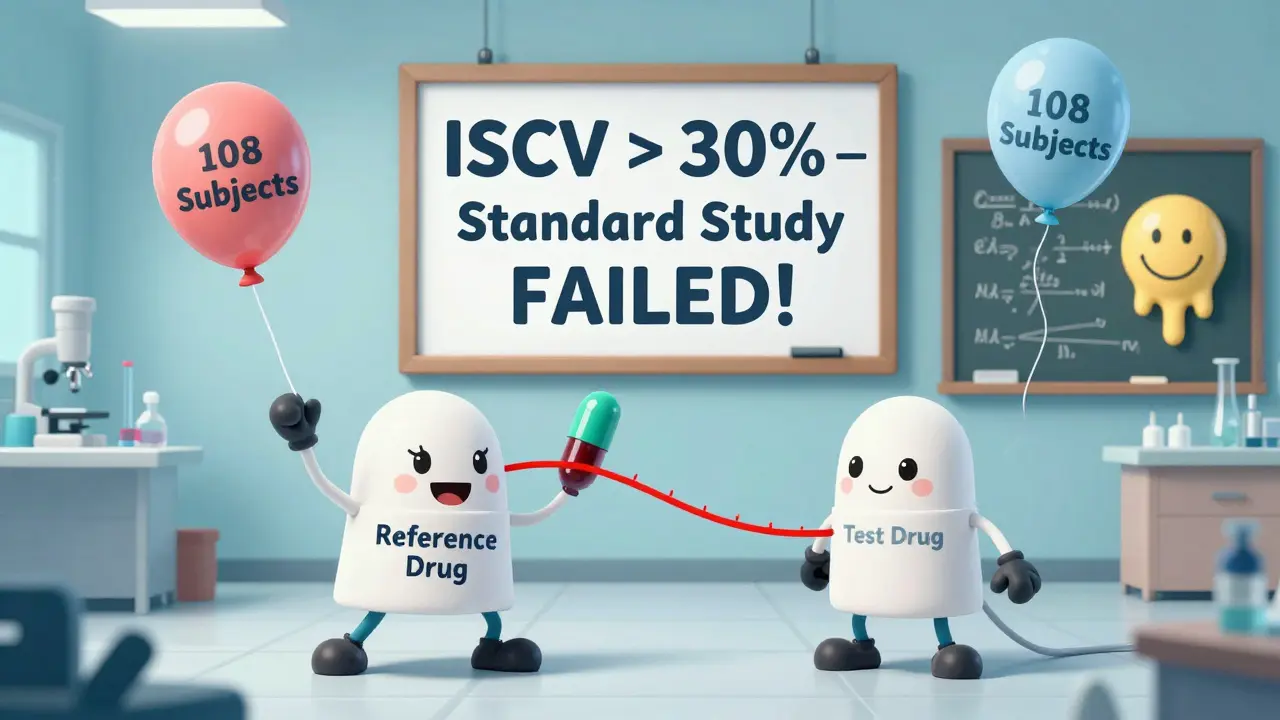
Replicate study designs are essential for assessing bioequivalence in highly variable drugs, reducing sample sizes by up to 75% while maintaining statistical rigor. Learn how full and partial designs work, regulatory differences between FDA and EMA, and why they’re now the industry standard.
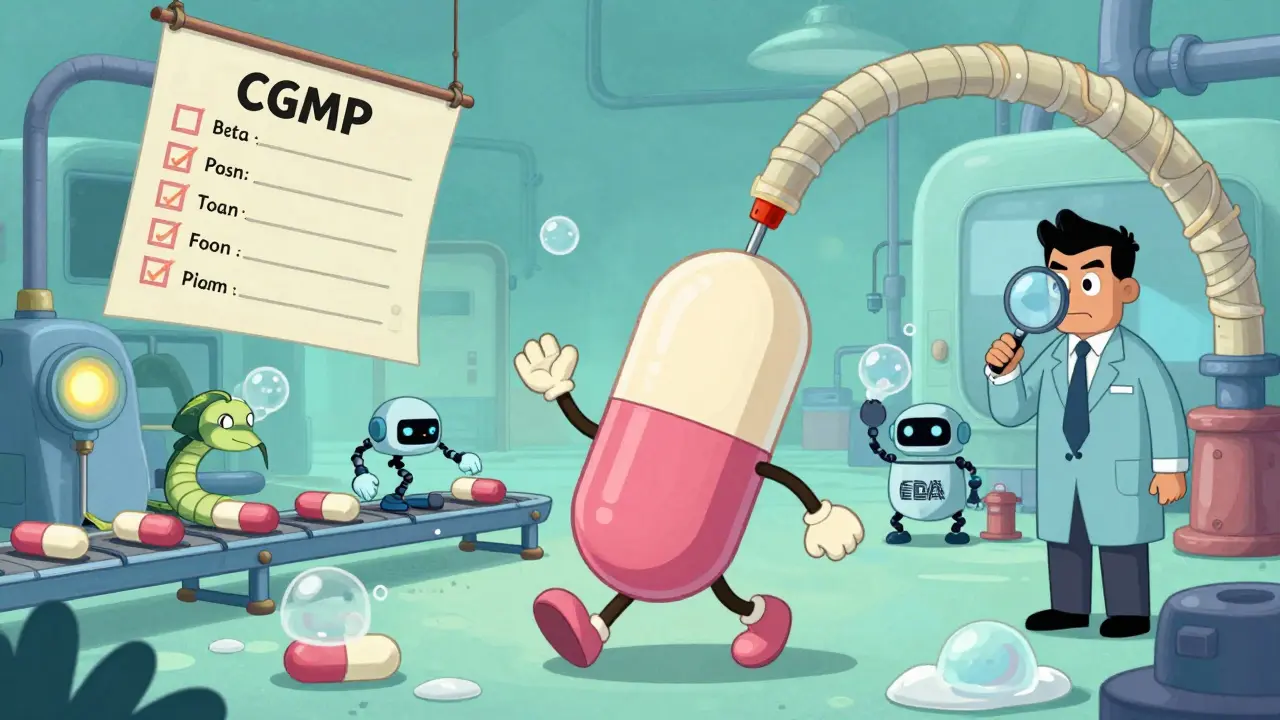
Generic drug manufacturing standards use strict quality controls to prevent counterfeit medicines. From cGMP rules to digital tracking, this system ensures every pill is safe, effective, and authentic.
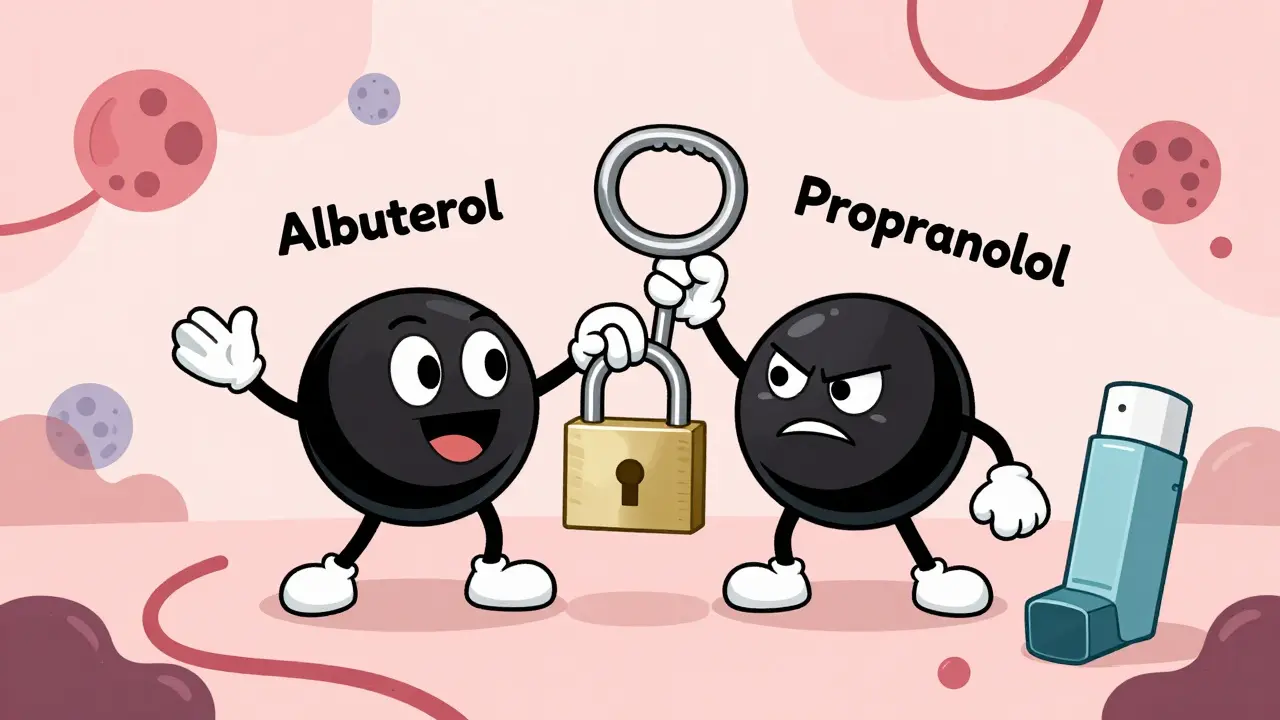
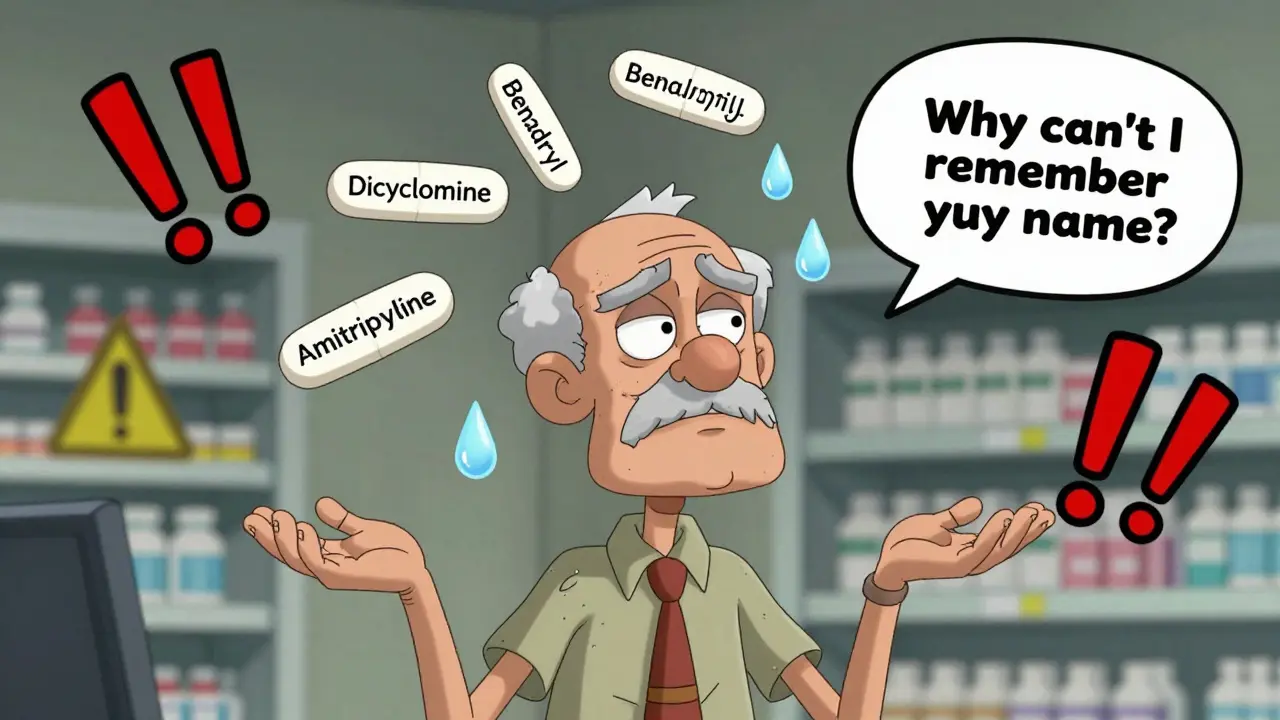
Antispasmodics like dicyclomine and hyoscine can cause dangerous interactions when combined with common medications. Learn which drugs to avoid, who’s at risk, and how to stay safe.
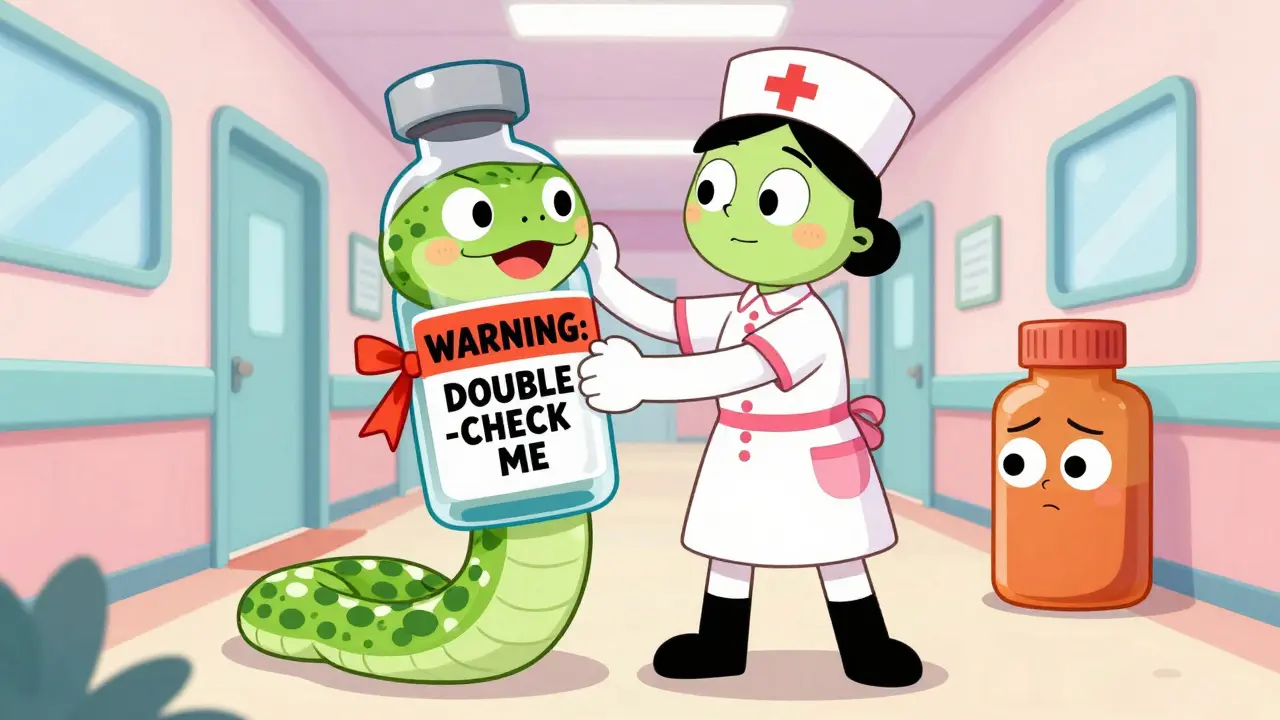
Documenting safety alerts on medication lists prevents deadly errors. Learn how to implement ISMP guidelines, track high-alert drugs like insulin and anticoagulants, avoid alert fatigue, and build a system that actually works - not just paperwork.