 Mar, 24 2026
Every year, medication errors hurt over 1.5 million people in the U.S. alone - and many of these mistakes are completely preventable. Whether you're taking pills at home or a nurse is handing out drugs in a hospital, the risk is real. The World Health Organization calls this one of the biggest patient safety challenges today. But the good news? We know exactly what works to stop these errors before they happen.
Why Medication Errors Happen
It’s not just about forgetting a dose. Medication errors happen at every step: when a doctor writes a prescription, when a pharmacist fills it, when a nurse gives it, or when a patient takes it at home. The most dangerous mistakes involve high-risk drugs like insulin, blood thinners, and opioids. In hospitals, a wrong dose of insulin can cause a coma. At home, mixing two painkillers with the same active ingredient can lead to liver failure. A 2024 study in the Journal of Patient Safety found that 89% of home errors happen to people 75 or older who take five or more medications daily. The top two problems? Taking the wrong amount (33%) and taking it at the wrong time (41%). In hospitals, the biggest issue isn’t human error - it’s system failure. Barcode scanning systems, for example, are supposed to catch mistakes, but if the barcode is smudged or the nurse scans two pills at once, the system fails.How Hospitals Are Fighting Back
Hospitals have tools that work - if they’re used right. The most effective is Barcode Medication Administration (BCMA). It works like this: before giving a drug, the nurse scans the patient’s wristband and the pill’s barcode. If something doesn’t match - say, the wrong drug or dose - the system stops them. A 2025 study in JMIR showed BCMA cut dispensing errors by 44%. Wrong drug errors dropped by 57%. Dose omissions fell by 67%. Monitoring errors - like not checking a patient’s kidney function before giving a risky drug - dropped by 92%. That’s huge. But BCMA isn’t magic. A 2024 survey of 1,200 pharmacists found that while 68% saw fewer errors, 57% also saw new problems. Nurses started scanning pills before they even got to the patient’s room. Others turned off alerts because they were too loud. One nurse on Reddit said her unit added 15-20 minutes to every medication round. That’s why training matters. Hospitals that trained staff with real-life simulations for 16-20 hours saw the best results. Without it, errors can actually go up. Another key tool is Computerized Physician Order Entry (CPOE). Instead of handwriting prescriptions, doctors type them into a system. These systems check for bad combinations - like giving two drugs that cause dangerous interactions. They cut errors by at least half. But too many pop-up alerts make clinicians ignore them. One 2024 study found 42% of doctors just clicked past alerts. The fix? Smart alerts. Only warn about the most dangerous mistakes.What Works at Home
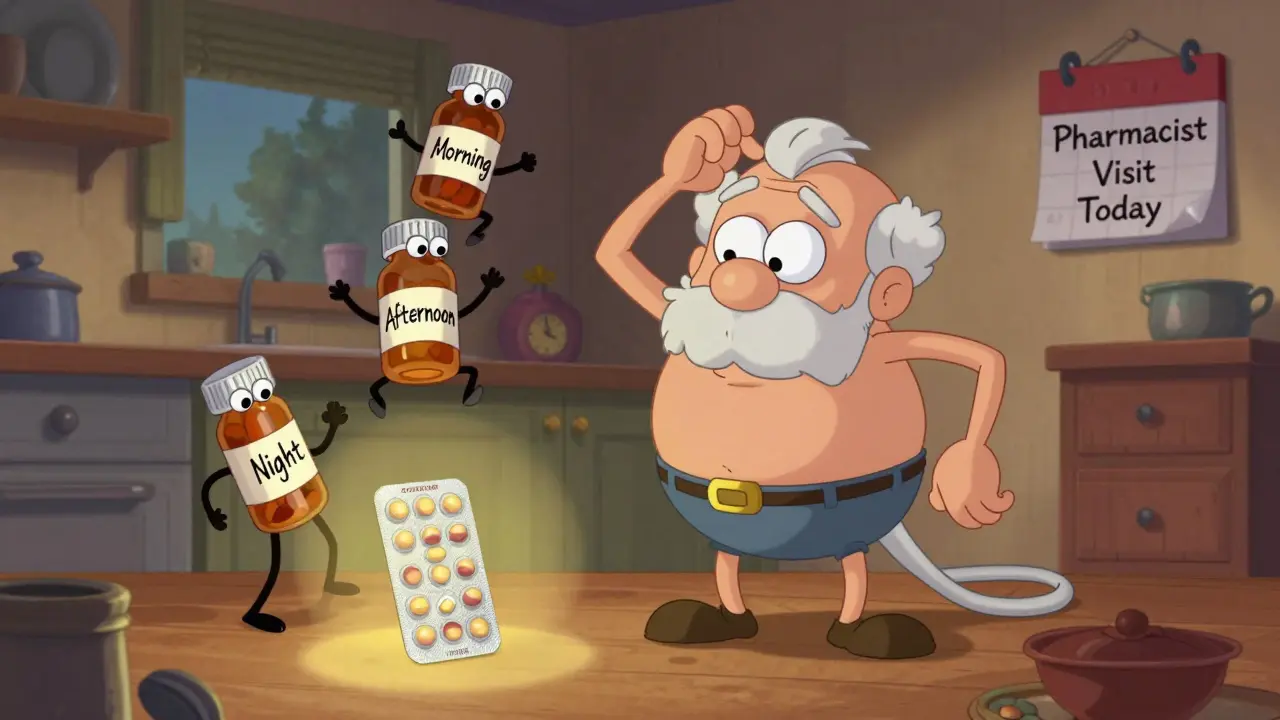
At home, you don’t have scanners or computers. So what helps? Simple things - done right. First, use single-dose packaging. Instead of a big bottle with 30 pills, get them in blister packs with each day’s doses labeled. A 2023 NIH study found this reduces errors by 28%. It’s especially helpful for people on five or more meds. Second, simplify the schedule. If someone has to take pills four times a day, it’s easy to mess up. Ask the pharmacist to combine meds into fewer daily doses. Many drugs can be taken together safely. One 2023 study in the Annals of Internal Medicine found that weekly reviews with a pharmacist cut home errors by 37%. Third, involve a caregiver. A family member or neighbor who checks the pillbox once a week can catch mistakes before they happen. A 2025 survey on SingleCare.com showed 72% of seniors still made at least one dosing error each month - and 63% of them said they got confused between multiple pill containers. One container labeled “Morning” and another “Evening” isn’t enough. A single box with clearly marked days works better.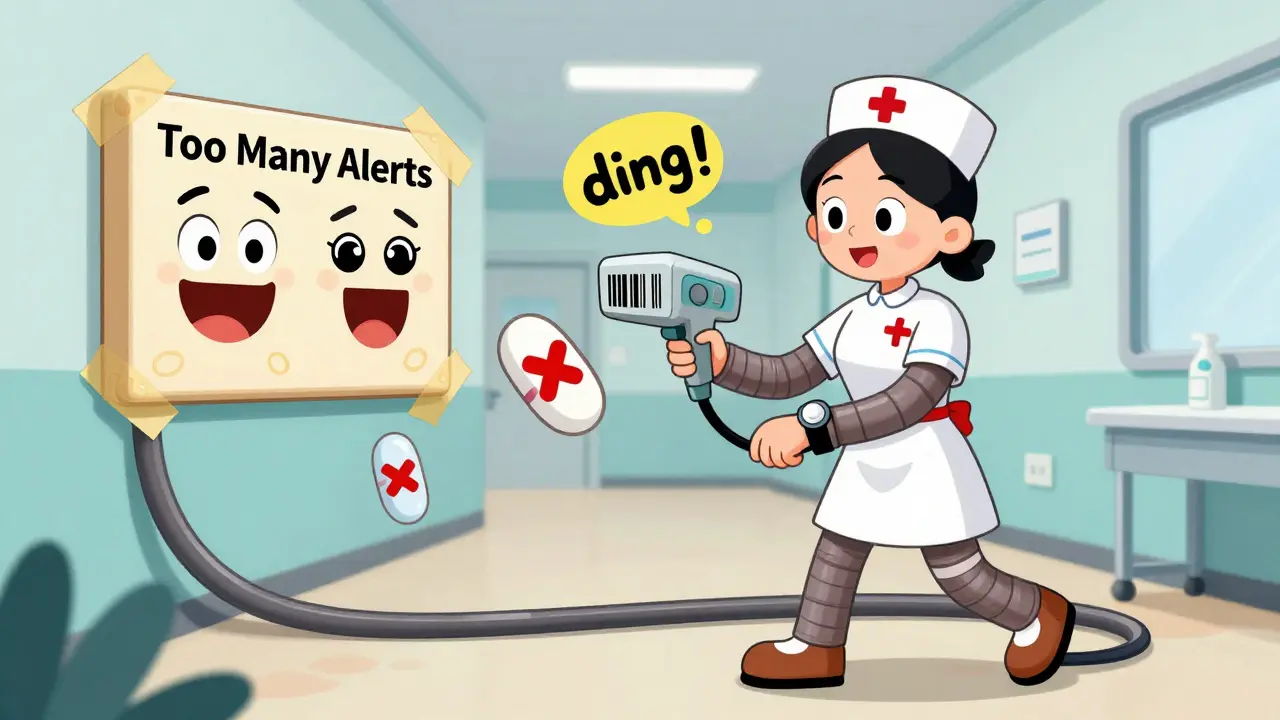
The Hidden Threat: Fake and Substandard Drugs
You might think you’re safe buying pills from a pharmacy. But online pharmacies? A 2025 report from ECRI found that 95% of online sellers of prescription drugs are illegal. Many use fake logos - a maple leaf for “Canadian pharmacy” or a URL ending in “.ca” - to trick you. These drugs might have no active ingredient, or too much. A 2024 FDA report found that 1 in 10 counterfeit painkillers contained fentanyl. That’s deadly. The WHO and the Institute for Safe Medication Practices warn this is growing fast. Always buy from licensed pharmacies. If a price seems too good to be true, it is. Check the pharmacy’s license on your state’s board of pharmacy website.What’s Next: AI and Blockchain
The future is here. Johns Hopkins tested an AI system in 2024 that predicted dangerous prescriptions before they were written. It cut high-risk errors by 53%. It looks at a patient’s history, lab results, and current meds to flag risks a human might miss. Another promising tool is blockchain. It tracks every pill from factory to patient. If a drug’s barcode doesn’t match the blockchain record, it’s flagged as fake. Twelve U.S. health systems are already testing this in Phase 3 trials. But technology alone won’t fix this. As ECRI’s president said in 2025: “Technology can’t overcome unsafe practices without redesigning the whole system.” That means training, communication, and simple changes - not just new gadgets.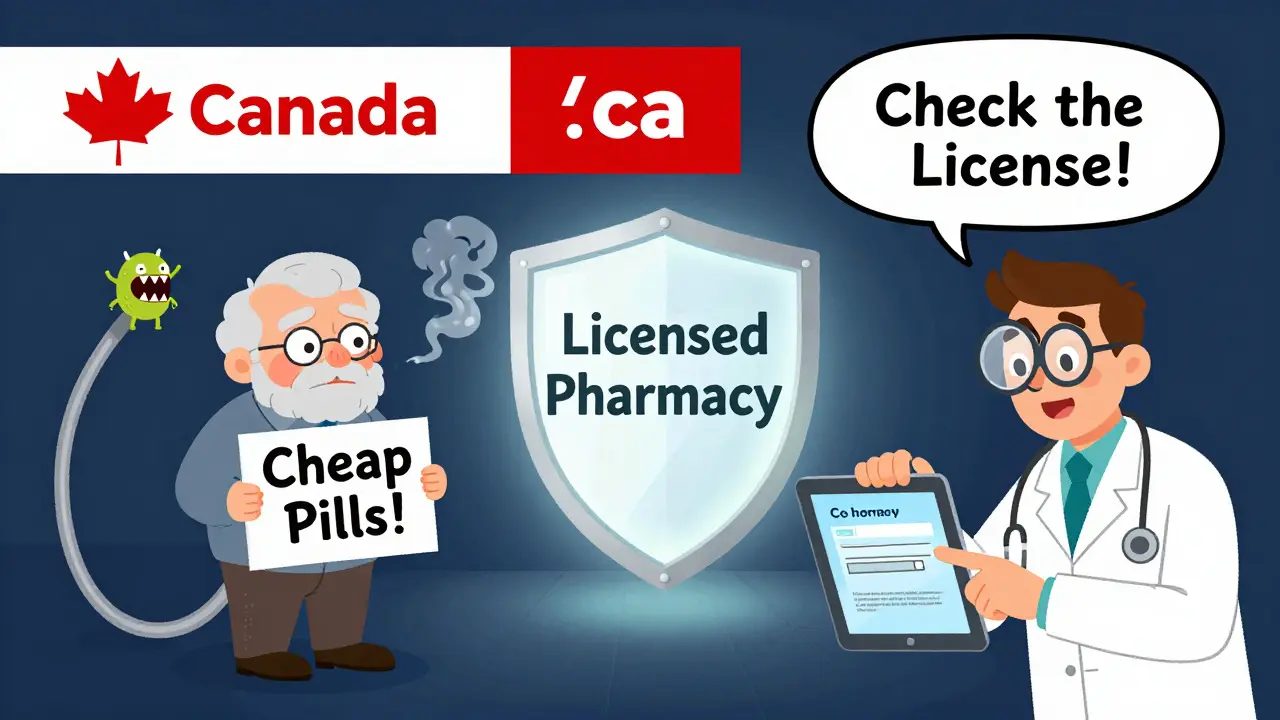
What You Can Do Today
Whether you’re managing your own meds or helping someone else, here’s what actually works:- Keep a written list of every pill, supplement, and OTC drug you take - including doses and times.
- Ask your pharmacist to put your meds in a blister pack with days of the week clearly marked.
- Use one pill container, not multiple. If you need different times, ask for a multi-compartment box.
- Never take a new pill without asking: “What is this for? What if I miss a dose? What side effects should I watch for?”
- Have a family member or friend check your pillbox once a week.
- Never buy pills online unless you can verify the pharmacy’s license.
- If you’re in the hospital, ask: “Can you scan my wristband and the pill before you give it to me?”
Frequently Asked Questions
What’s the most common medication error at home?
The most common error is taking the wrong dose - either too much or too little. For people over 75 on five or more medications, 33% of errors involve incorrect dosing. Confusion between similar-looking pills or misreading labels also plays a big role.
Do barcode scanners really reduce errors in hospitals?
Yes, but only if used correctly. A 2025 study showed BCMA reduced dispensing errors by 44% overall. Wrong drug errors dropped by 57%, and dose omissions fell by 67%. But if staff skip scans or scan multiple items at once, the system fails. Training and workflow design matter just as much as the technology.
Can online pharmacies be trusted?
Almost none of them. According to ECRI, 95% of online pharmacies selling prescription drugs are illegal. Many fake Canadian logos or use .ca domains to look legitimate. These drugs can be fake, expired, or contain dangerous substances like fentanyl. Always buy from licensed pharmacies - check your state’s board of pharmacy website to verify.
What should I ask my pharmacist about my meds?
Ask: What is this for? What happens if I miss a dose? What side effects should I watch for? Can I take this with my other meds? And can you put my pills in a blister pack with days of the week labeled? These simple questions cut errors by up to 40%.
Why do medication errors increase in hospitals during transitions?
When patients move between units - say, from ICU to a regular floor - their meds often get reordered manually. Studies show up to 70% of hospitals have incomplete or inaccurate medication lists at discharge. That’s why medication reconciliation - a pharmacist reviewing every drug a patient is taking - is required by The Joint Commission. It’s not optional. It saves lives.
Korn Deno
March 26, 2026 AT 05:49Natasha Rodríguez Lara
March 27, 2026 AT 16:48Kevin Siewe
March 29, 2026 AT 06:35Chris Farley
March 29, 2026 AT 16:49Darlene Gomez
March 30, 2026 AT 20:53Katie Putbrese
March 31, 2026 AT 15:23Donna Fogelsong
March 31, 2026 AT 21:09Sean Bechtelheimer
April 1, 2026 AT 15:53rebecca klady
April 2, 2026 AT 15:32Namrata Goyal
April 3, 2026 AT 10:26Blessing Ogboso
April 3, 2026 AT 19:06florence matthews
April 5, 2026 AT 11:45