 Mar, 12 2026
Medication Itching Risk Checker
This tool helps identify if your current medications might be causing itching. Based on FDA data and medical studies.
Your Risk Assessment
Recommended Actions
Itching isn't always a rash or dry skin. Sometimes, it's your medicine.
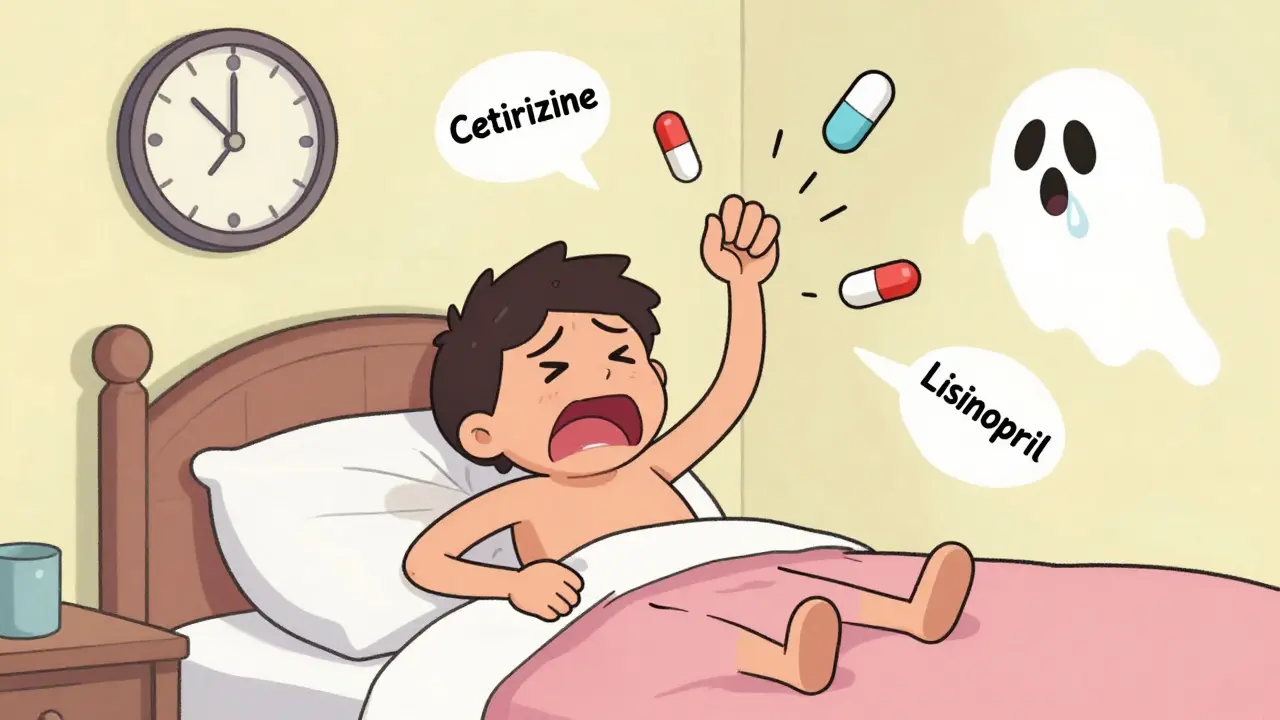
If you've been taking a pill for months or years and suddenly start itching without any visible rash, you're not imagining it. This is called drug-induced pruritus - itching caused by medications. It's more common than most people realize, and it can be so severe it makes you lose sleep, scratch until your skin bleeds, or even think about self-harm. The FDA has issued warnings about this exact problem, especially with common antihistamines like cetirizine and levocetirizine. You might not know it, but your itch could be tied directly to a drug you’ve been using for years.
Which Medications Cause Itching?
It might surprise you that everyday drugs can trigger this reaction. You don’t need to be on something exotic. Common medications linked to itching include:
- Antibiotics - like penicillin, tetracycline, and trimethoprim-sulfamethoxazole
- Blood pressure drugs - especially ACE inhibitors and ARBs (sartans)
- Statins and fibrates - used for high cholesterol
- NSAIDs and opioids - including aspirin, ibuprofen, and morphine
- Antidepressants - particularly tricyclics
- Antiepileptics - such as carbamazepine and valproate
- Antihistamines - yes, even the ones meant to stop itching
Studies show that certain drugs carry higher risk. Heparin causes itching in over 1% of users. Trimethoprim-sulfamethoxazole hits 1.06%. Calcium channel blockers? Close behind at 0.92%. These aren’t rare outliers - they’re everyday prescriptions.
Why Does This Happen?
Itching from drugs isn’t one thing. It’s many different mechanisms working behind the scenes.
Some drugs trigger histamine release - the same chemical that causes hives and allergic reactions. That’s why antihistamines like diphenhydramine often help. But here’s the catch: not all drug-induced itching is caused by histamine. In fact, about half of cases don’t respond to antihistamines at all.
Opioids, for example, cause itching by acting directly on spinal cord receptors. That’s why 60-90% of patients get itchy after spinal morphine. Chloroquine - used for malaria - causes severe itching in up to 90% of Black patients. Hydroxyethyl starch, used in IV fluids, can trigger itching that lasts over a year. These reactions aren’t allergies. They’re pharmacological effects, built into how the drug interacts with your body.
And then there’s the weirdest case: antihistamine withdrawal. If you’ve been taking cetirizine or levocetirizine for months - even years - and suddenly stop, your body can react with intense, widespread itching. The FDA found that 92% of people who stopped these drugs developed itching within two days. And if they tried restarting the same drug? Symptoms vanished in 90% of cases. It’s like your body got used to the drug, and now it’s begging for it back.
Who’s Most at Risk?
This isn’t random. Certain groups are far more likely to experience drug-induced itching.
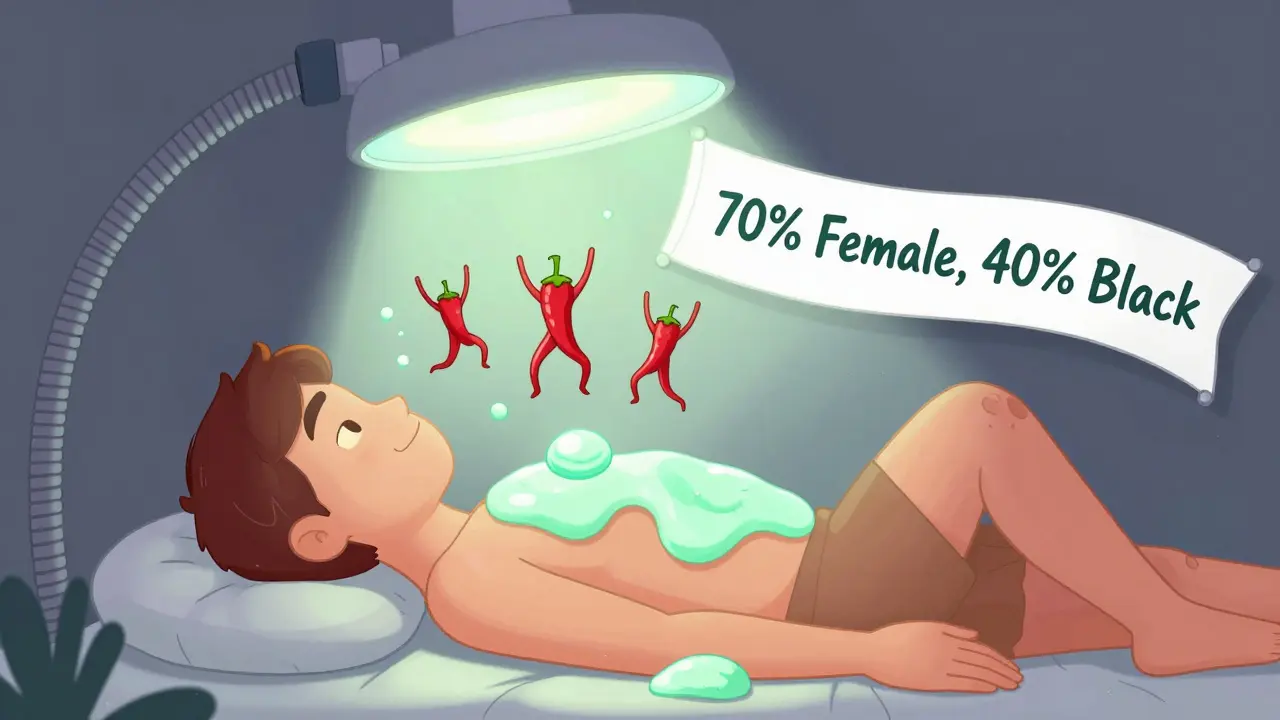
Women are affected more often than men - 70% of cases in one study were female. Black patients also show higher rates. In fact, 40% of those with drug-induced pruritus were Black, compared to just 23% in the general population. That’s not coincidence. It points to biological differences in how drugs are processed or how skin nerves respond.
Duration matters too. Most cases happen after three months of use. The median time? 33 months. That means you’ve been on the drug for nearly three years before the itch starts. This is why doctors often miss it. They assume the problem is skin-related, not drug-related.
What Should You Do If You Start Itching?
Don’t just reach for hydrocortisone cream. Don’t assume it’s eczema. Your first step should be to ask: What did I start taking around the time this began?
Make a list of every medication you’ve taken in the last six months - prescriptions, over-the-counter pills, supplements, even herbal remedies. Include doses and how long you’ve been on each. Bring this to your doctor or pharmacist. Many cases are missed because no one connects the dots between a new symptom and a long-term drug.
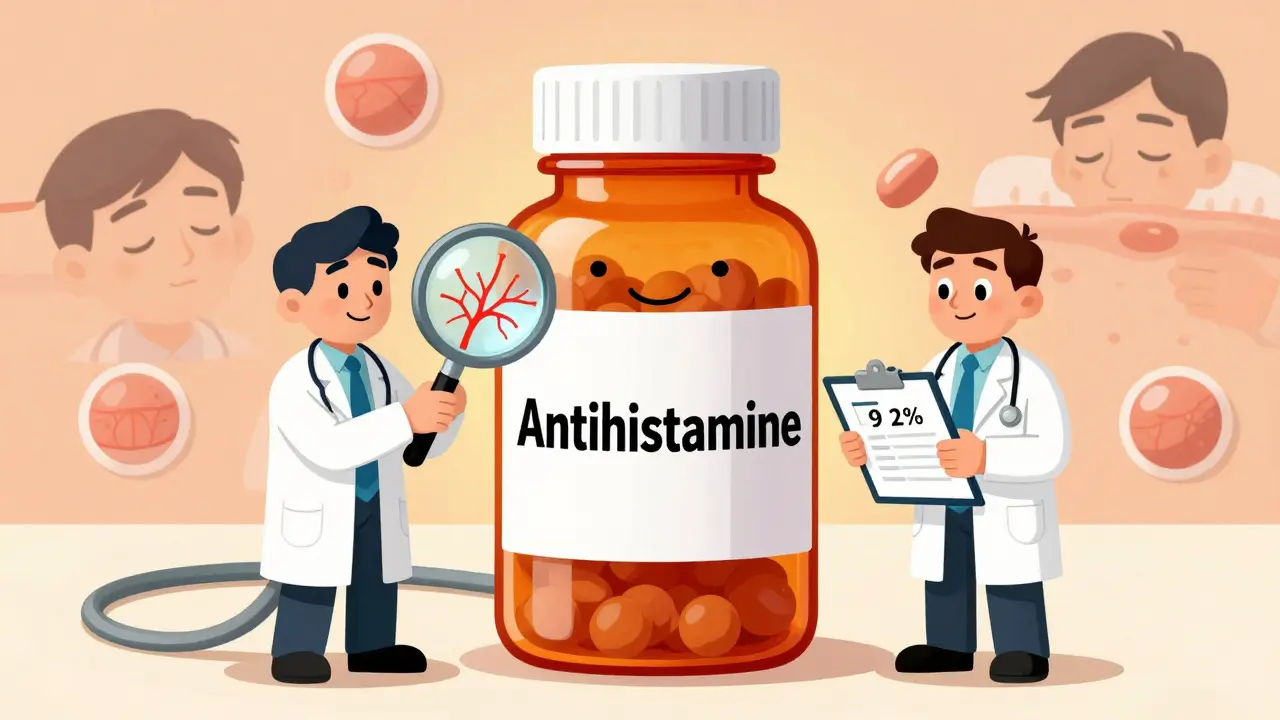
If the itching started after stopping an antihistamine like cetirizine, restarting it may be the fastest fix. The FDA data shows that 90% of people got relief within days of restarting. Then, slowly taper off under medical supervision - only 38% of those who tried tapering after restarting saw full relief. This isn’t common knowledge. Most patients aren’t warned.
Treatment Options Beyond Stopping the Drug
Stopping the drug isn’t always possible. What if it’s your blood pressure medicine? Your painkiller? Your antidepressant? You can’t just quit.
Here’s what works when you can’t stop the medication:
- Topical treatments - Capsaicin cream (the stuff in chili peppers) can desensitize nerve endings. Steroid creams help if there’s inflammation. Moisturizers are essential - dry skin makes itching worse.
- Antidepressants - Drugs like amitriptyline or doxepin, even at low doses, can calm itch signals in the brain. Studies show they work better than antihistamines for non-histamine-related itching.
- Neuroleptics - Medications like naltrexone (used for addiction) have been shown to block itch pathways in the brain.
- Light therapy - UVB phototherapy has helped patients with chronic drug-induced itching who didn’t respond to anything else.
The Cleveland Clinic and DermNet both note that if dry skin or eczema developed alongside the itching, moisturizing daily and using gentle cleansers can reduce symptoms by up to 50%. Simple things matter.
Why This Is Underdiagnosed - And Why It Matters
Most doctors aren’t trained to think of itching as a drug side effect. Patients don’t connect it either. They blame stress, weather, or laundry detergent.
The FDA found that 87% of the 209 reported cases came from patients themselves - not doctors. That means people are noticing it before the system does. And when they report it, symptoms like disability, hospitalization, and suicidal thoughts show up.
This isn’t just about comfort. It’s about safety. If you stop a vital drug because the itching feels unbearable, you risk worsening your original condition. If you keep taking it, you’re stuck in a cycle of sleepless nights and raw skin.
Pharmacists are key here. They see your full medication list. They know which drugs are known triggers. They can flag risks before you even feel the itch.
What’s Changing Now?
In July 2023, the FDA required labeling changes for cetirizine and levocetirizine. For the first time, the warning about withdrawal itching is printed right on the box. This is a big deal. It means the medical community is finally acknowledging this as a real, documented, and dangerous side effect.
Researchers are also digging deeper. We used to think all itching was histamine-driven. Now we know there are at least 10 different pathways. That’s why antihistamines fail so often. The next generation of treatments will target these non-histamine pathways - drugs that block specific nerve signals, not just allergy chemicals.
Electronic health records are helping too. Studies using massive databases like EPIC have identified patterns we never saw before. We now know exactly which drugs cause itching in which populations. That’s leading to smarter prescribing - avoiding high-risk drugs in high-risk patients.
Itching from medication isn’t a nuisance. It’s a signal. And if you’re experiencing it, you deserve to know why - and what to do next.
Can antihistamines cause itching instead of stopping it?
Yes. Long-term use of antihistamines like cetirizine or levocetirizine can lead to severe itching when you stop taking them. This isn’t an allergy - it’s a rebound effect. The body adapts to the drug, and when it’s removed, the itch response surges. The FDA documented this in over 200 cases, with symptoms appearing within two days of stopping. Restarting the drug usually stops the itching, and tapering slowly after restarting can help prevent recurrence.
Why doesn’t my antihistamine help my drug-induced itching?
Because not all drug-induced itching is caused by histamine. Opioids, statins, and certain antibiotics trigger itch through nerve pathways in the spinal cord or brain - not through histamine release. Antihistamines only block H1 receptors, so they won’t touch these other pathways. That’s why antidepressants like amitriptyline or nerve-targeting drugs like naltrexone often work better in these cases.
Is drug-induced itching dangerous?
It can be. While itching itself isn’t life-threatening, severe cases can lead to sleep loss, skin infections from scratching, depression, and even suicidal thoughts. The FDA reported cases of hospitalization and disability linked to this side effect. If itching is keeping you from sleeping, working, or functioning normally, it’s not just annoying - it’s a medical issue that needs attention.
Can I switch to a different medication instead of stopping?
Often, yes. For example, if you’re on an ACE inhibitor and develop itching, switching to a calcium channel blocker or ARB might help - though ARBs can also cause itching in some people. If statins are the culprit, switching to ezetimibe or a PCSK9 inhibitor may avoid the issue. Always work with your doctor. Not all alternatives are equal, and some may carry their own risks.
How long does drug-induced itching last?
It depends. Acute cases (under 6 weeks) often clear up after stopping the drug. Chronic cases (over 6 weeks) can linger for months - especially with drugs like hydroxyethyl starch, which can cause itching for up to 15 months. Antihistamine withdrawal itching usually lasts 1-4 weeks, but restarting the drug can resolve it in days. The key is identifying the trigger early.
Emma Nicolls
March 13, 2026 AT 01:42Jimmy V
March 14, 2026 AT 21:15Richard Harris
March 15, 2026 AT 06:21Kandace Bennett
March 16, 2026 AT 08:55Tim Schulz
March 17, 2026 AT 02:19douglas martinez
March 17, 2026 AT 11:22Sabrina Sanches
March 18, 2026 AT 23:02Katherine Rodriguez
March 19, 2026 AT 15:44Sally Lloyd
March 20, 2026 AT 08:24Leah Dobbin
March 21, 2026 AT 18:11Ali Hughey
March 22, 2026 AT 20:05Alex MC
March 23, 2026 AT 20:46rakesh sabharwal
March 25, 2026 AT 05:53