 Mar, 30 2026

If you or your child often lose their place while reading or feel tired eyes by mid-morning, it might not just be fatigue. It could be Convergence Insufficiencya binocular vision disorder where the eyes struggle to work together when looking at near objects.. This condition is surprisingly common yet frequently misunderstood. You might notice frequent headaches after homework sessions or blurry vision when focusing on books. Understanding the problem is the first step toward fixing it.
Understanding the Eye Coordination Problem
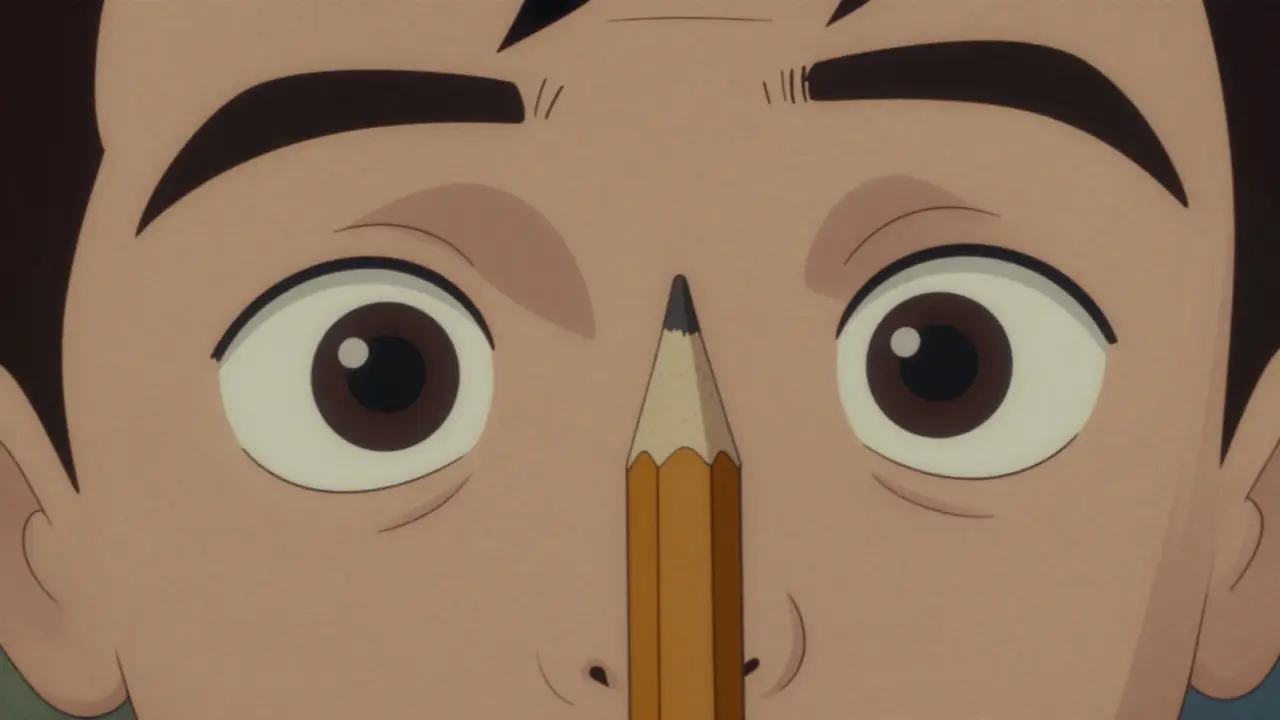
We usually think of vision as seeing clearly, but binocular vision is about teamwork. When both eyes align perfectly on a target, your brain merges two images into one sharp picture. In cases of Convergence Insufficiency (CI) occurs when the eyes drift outward instead of turning inward enough for close-up tasks. Imagine trying to hold a pencil tip steady with one finger on each eye; if those fingers spread apart too easily, your visual system is overworking.
Research from the National Eye Institute indicates that this affects roughly 2.5% to 13% of people. It hits children hardest, especially during school years when near-vision demands peak. The classic signs include:
- Diplopia (double vision) when reading small print
- Headaches centered around the forehead or brow
- Avoidance of reading or homework
- Losing lines of text repeatedly
- Falling asleep quickly while studying
If you spot multiple of these symptoms, it’s worth investigating further. Ignoring them can lead to poor academic performance or chronic discomfort.
How Doctors Diagnose the Condition
A standard vision screening checks clarity, but diagnosing CI requires specialized testing. Regular optometry exams might miss the alignment issue because patients compensate by leaning forward or squinting. To confirm the diagnosis, specialists measure the Near Point of Convergence or NPC distance. This test tracks how close a target can get before one eye wanders off. A normal NPC is less than 7 centimeters from the nose. If your eyes break alignment beyond that range, it signals insufficient convergence ability.
Another key metric is positive fusional vergence at near. Normal values should exceed 15 prism diopters base-out. This measures how much effort your eyes can exert to maintain fusion under stress. Patients also fill out the Convergence Insufficiency Symptom Survey (CISS), scoring their daily discomfort. A score above 15 typically supports a clinical diagnosis alongside physical measurements.
Treatment Options: What Actually Works
Once diagnosed, you face choices about management. Many people assume prescription glasses are the quick fix, but standard lenses won't correct the muscle coordination problem. There are three primary paths, each with different pros and cons.
| Treatment Type | Success Rate | Duration | Key Feature |
|---|---|---|---|
| Office-Based Vision Therapy | 75% | 8-12 weeks | Supervised professional guidance |
| Home-Based Exercises | 43% | Unspecified | Pencil push-ups alone |
| Prism Correction | Variable | Ongoing | Relief rather than cure |
The most effective option remains office-based vision therapy. Studies show supervised sessions combined with home reinforcement yield better outcomes than doing exercises alone at home. While prisms in glasses help reduce strain temporarily, they don't strengthen the underlying muscle control needed for long-term improvement.
The Evidence Behind Therapy Efficacy
Why do professionals recommend specific protocols? The answer lies in major research trials. The Convergence Insufficiency Treatment Trial (CITT) changed the landscape of eye care. Funded by the NEI, this multi-site study compared methods directly. They tracked children receiving office supervision versus those just doing pencil push-ups at home.
Results were clear. After 12 weeks, the group getting supervised therapy saw 75% resolution of symptoms. The home-only group only reached 43%. Why the gap? Therapists adjust difficulty levels weekly based on progress. If you only follow a generic routine, you might stop challenging your eyes too soon. Without that progressive overload, the neural pathways fail to adapt fully.
Dr. Mitchell Scheiman, who led the study, noted that office-based approaches produce superior convergence measures. However, recent data suggests duration matters. Therapy isn't indefinite. Most patients stabilize gains within a few months. Long-term maintenance is rarely needed unless new stressors appear.
Practical Reality of Treatment
Starting therapy involves commitment. The standard protocol involves weekly sessions lasting 45 to 60 minutes. You will also do prescribed home exercises daily for about 15 minutes. Common drills include:
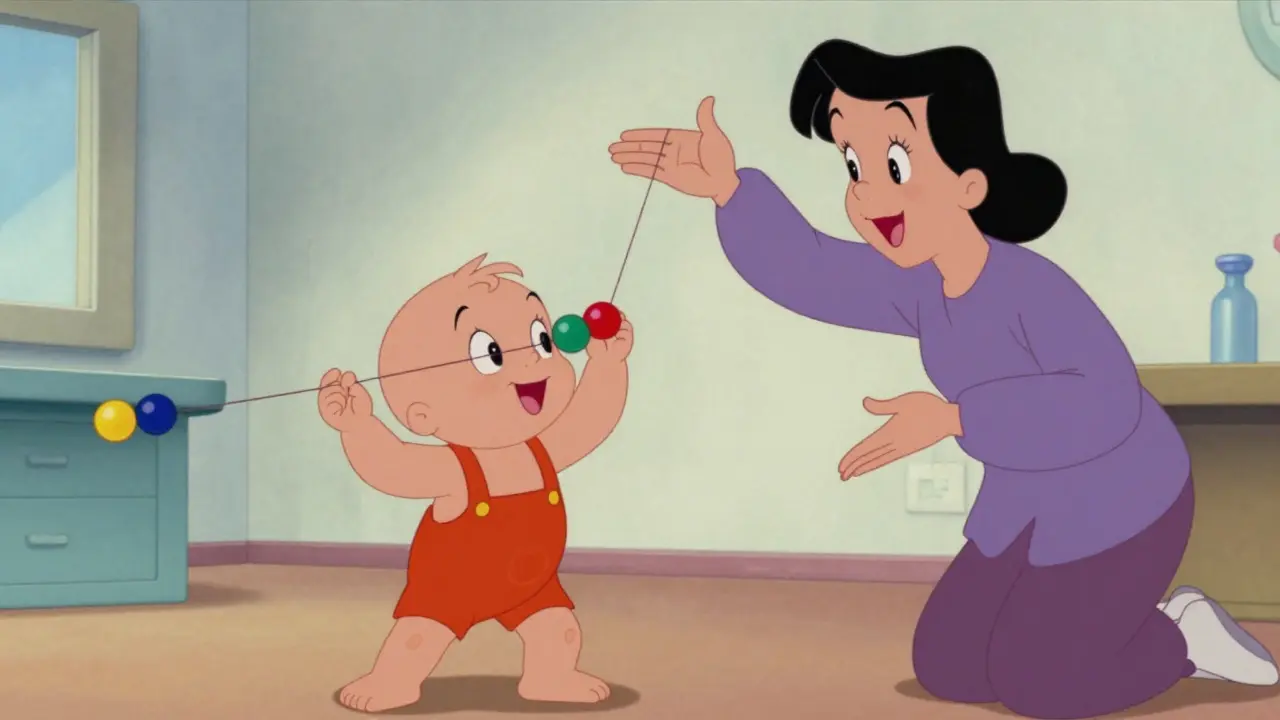
- Brock String: Using colored beads on a string to learn dissociated vision control.
- Cardio-convergence: Moving targets rapidly to build stamina.
- Stereograms: Training the brain to fuse disparate images.
Children sometimes struggle initially because they find it hard to "see" double vision intentionally. Therapists use filters or blockers to force proper eye usage until the skill clicks. Adherence is crucial. Reports indicate patients completing more than 80% of home work have an 82% success rate, compared to less than 50% for inconsistent participants.
Cost and Insurance Considerations
Funding this care is a major concern for many families. Average costs range from $2,500 to $4,000 for a full course. Surprisingly, only about 32% of private insurance plans cover vision therapy services. Often, it falls under non-medical optical benefits which have low caps. Some states mandate coverage for children diagnosed with functional vision disorders, so checking local regulations helps.
Payment structures vary. Some clinics offer sliding scales or payment plans. If insurance denies claims, pre-authorization with clinical notes can sometimes trigger reconsideration. Remember that untreated conditions may cost more later through educational support needs or repeated doctor visits for unexplained headaches.
Modern Tools and Technology
Treatment methods are evolving with digital tools. Applications like AmblyoPlay use tablet screens to deliver gamified training. These systems track eye movement and provide instant feedback. Telehealth options now allow remote monitoring, improving adherence rates compared to pure paper logs. Virtual reality pilots have shown promise in speeding up symptom resolution by engaging users more deeply than flat cards.
Can adults recover from convergence insufficiency?
Yes, adults respond well to vision therapy. While neuroplasticity decreases slightly with age, the neuromuscular patterns required for convergence can still be retrained effectively using standard protocols adapted for older eyes.
Will my child need glasses forever?
Not necessarily. If the underlying refractive error (like farsightedness) is corrected, and the convergence deficit is resolved via therapy, glasses for CI specifically are usually weaned off after successful treatment completion.
Does reading difficulty always mean vision problems?
Not always, but eye teaming issues cause significant reading struggles. Dyslexia and learning disabilities involve processing, whereas convergence issues prevent clear input. A comprehensive exam distinguishes between these causes.
How long does office therapy take?
Most programs span 8 to 12 weeks of weekly sessions combined with daily home practice. Follow-up checks happen periodically to ensure retention of improved eye alignment.
Are there side effects to vision exercises?
Some temporary mild headache or dizziness occurs early in training. These sensations fade as muscles adapt. Severe pain or persistent nausea warrants stopping and contacting the therapist immediately.
Calvin H
March 31, 2026 AT 21:11Glad we finally have a scientific explanation for why my head hurts after looking at screens.
Kendell Callaway Mooney
April 1, 2026 AT 11:01It is exactly about the muscle fatigue rather than just mental stress alone.
Standard exams often miss this specific convergence failure issue entirely.
Getting tested properly makes a massive difference in finding the root cause quickly.
Amber Armstrong
April 3, 2026 AT 10:25Many parents don't realize how hard school can be when your brain hurts from reading.
My own niece struggled constantly until we found out it wasn't just stubbornness.
She would cry every single day when it was time to open a book for homework assignments.
We thought she had a learning disability initially because she couldn't focus for more than ten minutes.
The headaches were so bad she would press her hands against her temples while sitting at the table.
Nobody told us that eyes actually drift apart when they get tired during near tasks.
It changes everything when you understand the physical mechanics behind the struggle.
You feel so guilty realizing your kid was fighting a battle nobody saw coming.
The therapy stuff sounds intense but honestly having professional help makes such a difference.
Seeing them get back to playing without rubbing their eyes is worth every single minute spent in the clinic.
Sometimes the little victories like reading one page without stopping feels huge.
It really opens up new doors for confidence and better grades too.
You never expect vision issues to mess up your whole academic life this badly.
Just glad there is actual science behind the treatment plans available now.
Keep spreading awareness so families don't suffer in silence any longer.
Hope everyone gets the support they deserve for this tricky condition.
Dan Stoof
April 4, 2026 AT 22:20That is such a sweet story!
The dedication of families really shines through!
I bet she felt so relieved once the plan started working!
Love seeing people win against medical odds!
William Rhodes
April 5, 2026 AT 21:09This is absolute proof that proactive care wins every single time people give up.
Ignoring symptoms is a choice to accept mediocrity in your visual performance forever.
The data doesn't lie about the success rates for those who commit to the process fully.
You cannot simply wish away biological constraints with a pair of cheap corrective lenses.
Real strength comes from adapting the neural pathways through disciplined repetition and guidance.
Those who refuse to see the bigger picture will keep struggling with unnecessary pain unnecessarily.
Cameron Redic
April 6, 2026 AT 18:25People always claim they are experts until the numbers hit them directly.
Most studies cited here rely on funding sources that prefer positive outcomes for commercial gain.
Insurance companies love these metrics because they look good on paper regardless of patient retention.
Home exercises rarely work well enough to justify the time investment required.
The industry thrives on perpetuating minor conditions into major billing events.
Katie Riston
April 7, 2026 AT 11:35The intersection of physiology and cognitive load presents fascinating implications for educational psychology.
When the foundation of sensory input is compromised, higher functions inevitably falter under pressure.
We often treat symptoms rather than addressing the root cause of mechanical strain within the orbital structures.
It speaks volumes about healthcare systems that functional disorders remain misunderstood by general practitioners.
True wellness requires acknowledging the invisible burdens placed upon developing minds during critical growth phases.
One must consider the societal impact when a significant percentage of youth face this barrier daily.
Progressive overload principles in rehabilitation mirror weightlifting logic applied to ocular muscles.
Patience becomes the greatest virtue for parents navigating these diagnostic waters carefully.
The financial aspect introduces a stark reality regarding equity in access to specialized care.
Perhaps future advancements will democratize these therapeutic modalities for broader populations eventually.
Knowledge dissemination remains the most powerful tool we have for shifting paradigms in medicine.
Every child deserves clear sight to unlock their full potential without hindrance.
Society benefits immensely when individuals are not held back by preventable conditions.
Research needs to continue evolving to meet the growing demand for better solutions.
Ultimately, empathy combined with science creates the best path forward for patients everywhere.
Brian Yap
April 8, 2026 AT 04:49Over here folks reckon vision therapy takes a bit longer due to distance but results look the same.
Gotta say the cost is a fair bit higher down under unfortunately.
Still worth doing though mate.
Marwood Construction
April 8, 2026 AT 16:27The distinction between refractive errors and binocular dysfunction is essential for proper clinical classification.
Early detection protocols need standardization across private practices to ensure uniform quality of care.
Financial barriers currently prevent widespread implementation of evidence-based treatment strategies effectively.
Further longitudinal studies could illuminate long-term neuroplasticity outcomes in adult populations specifically.