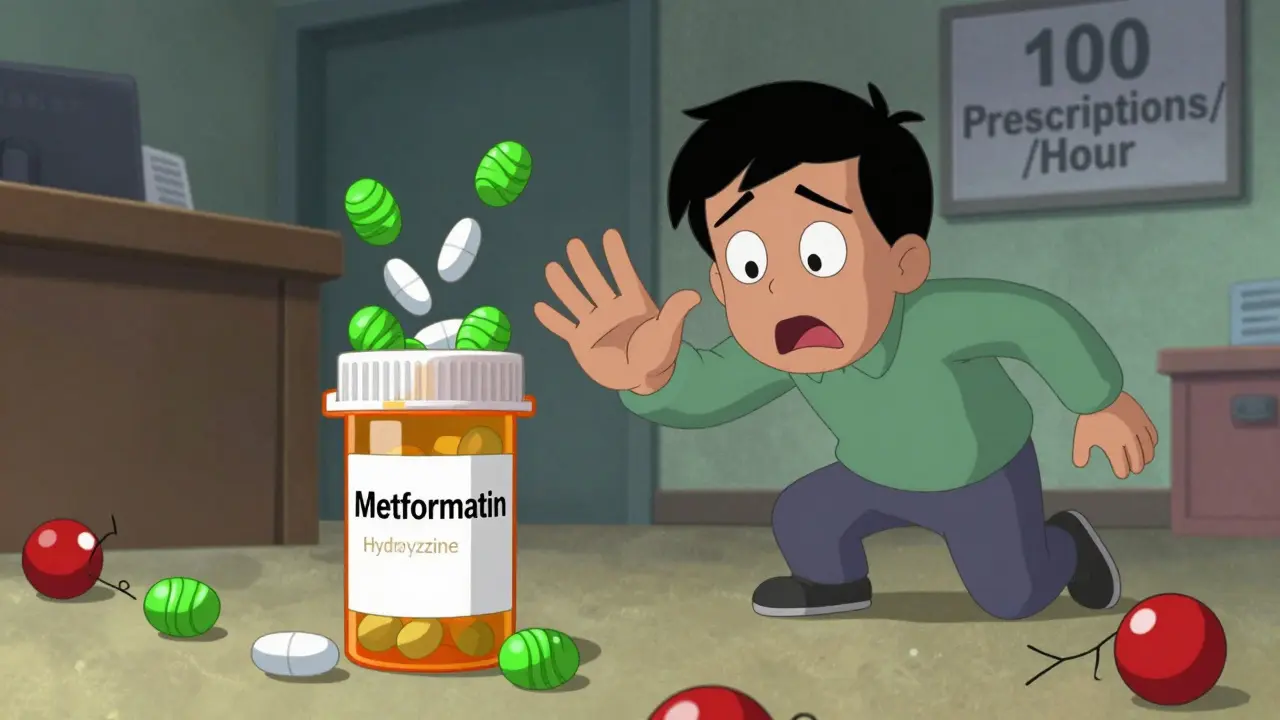
If you receive the wrong medication from the pharmacy, stop taking it immediately, contact your doctor, preserve evidence, and report the error. Know your rights and how to prevent future mistakes.
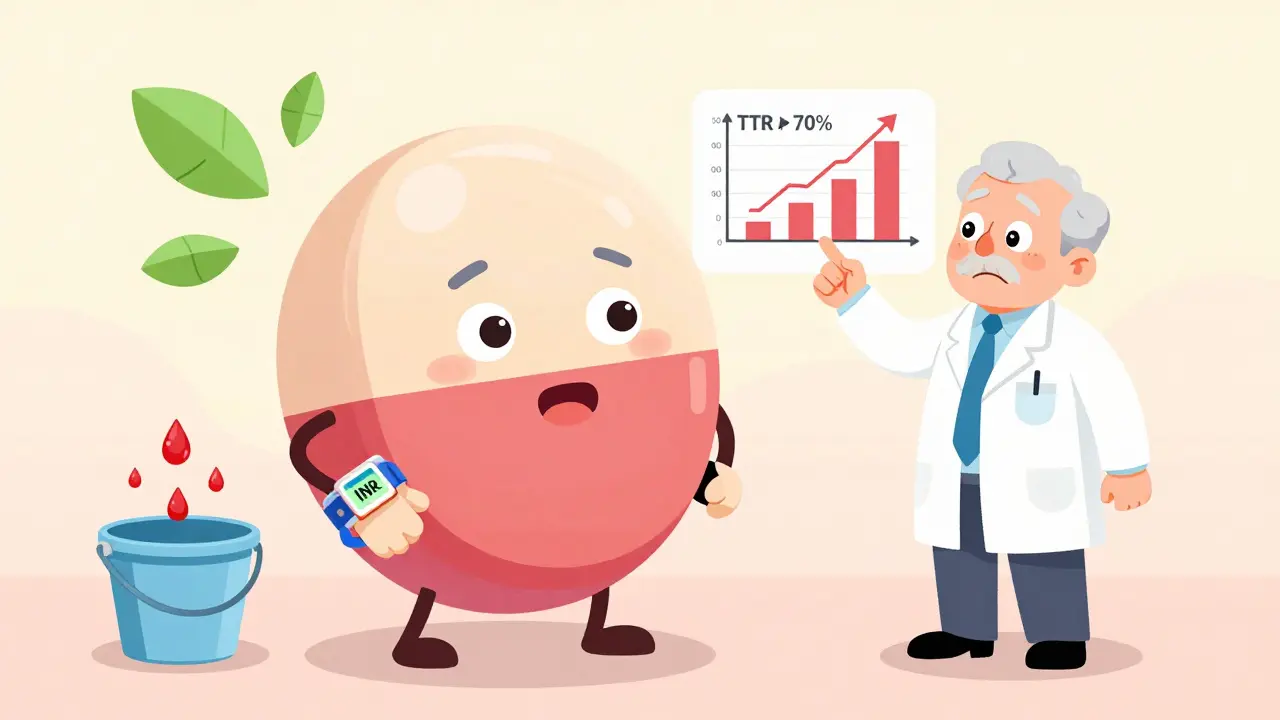
Anticoagulants prevent dangerous clots but carry a serious bleeding risk. Learn how to prevent hemorrhage with proper drug selection, kidney monitoring, reversal agents, and patient safety strategies for warfarin and DOACs.
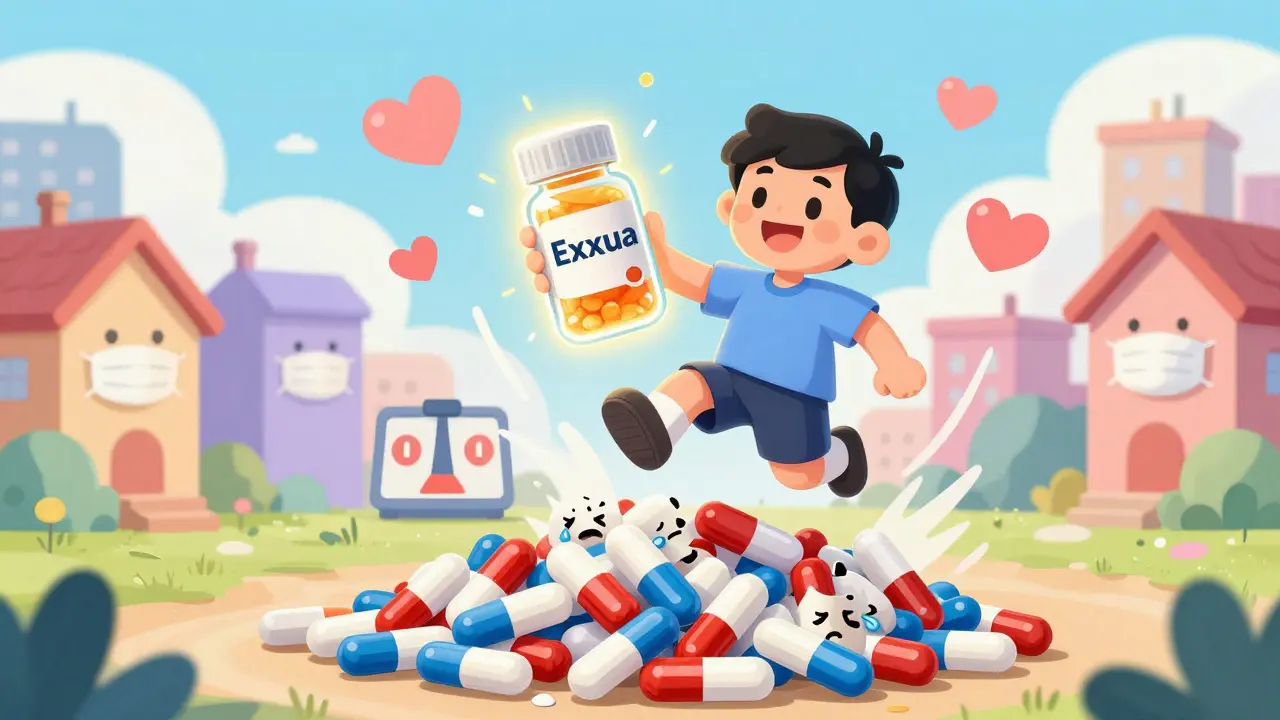
New antidepressants like Exxua, Zuranolone, and Auvelity offer faster relief and fewer side effects than SSRIs. Discover how these 2025 breakthroughs are changing depression treatment-and who they're best for.
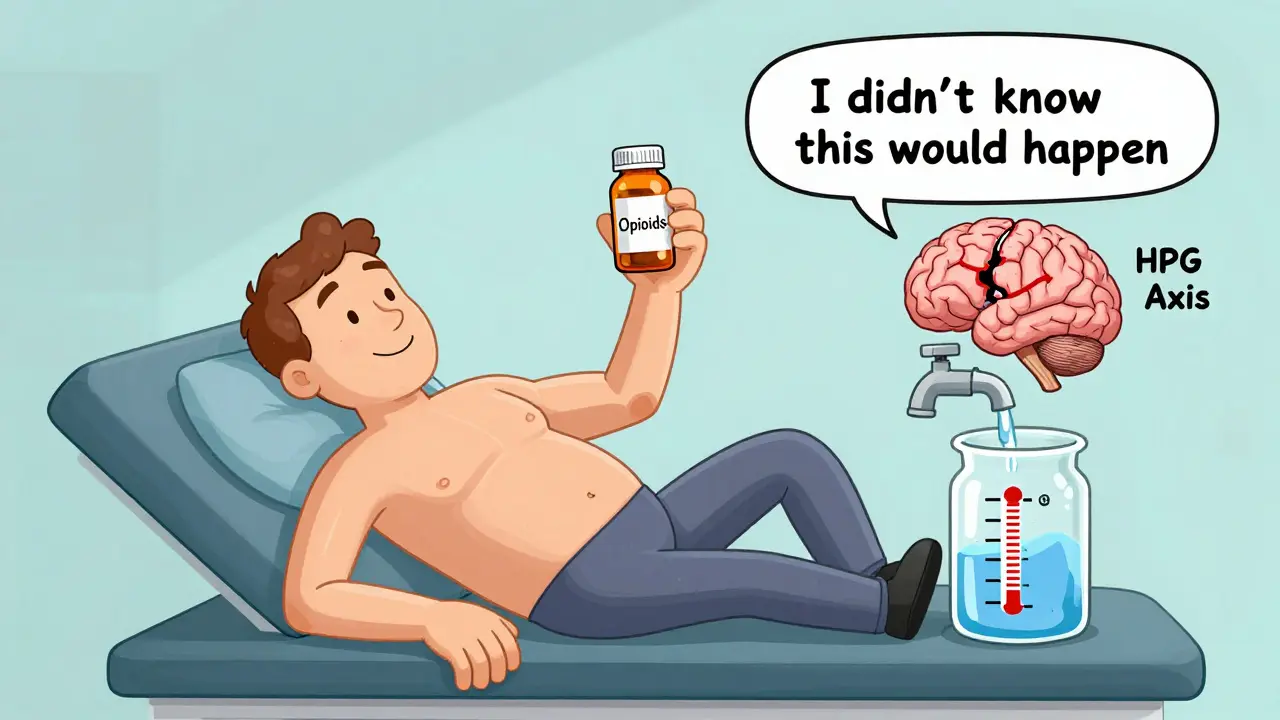
Long-term opioid use disrupts hormone levels in up to 86% of users, leading to sexual dysfunction, low libido, and menstrual problems. Learn how opioids affect testosterone and what you can do to protect your health.
Post-market surveillance catches dangerous side effects that clinical trials miss. Learn how real-world data from millions of users helps regulators find hidden risks in drugs and medical devices after approval.
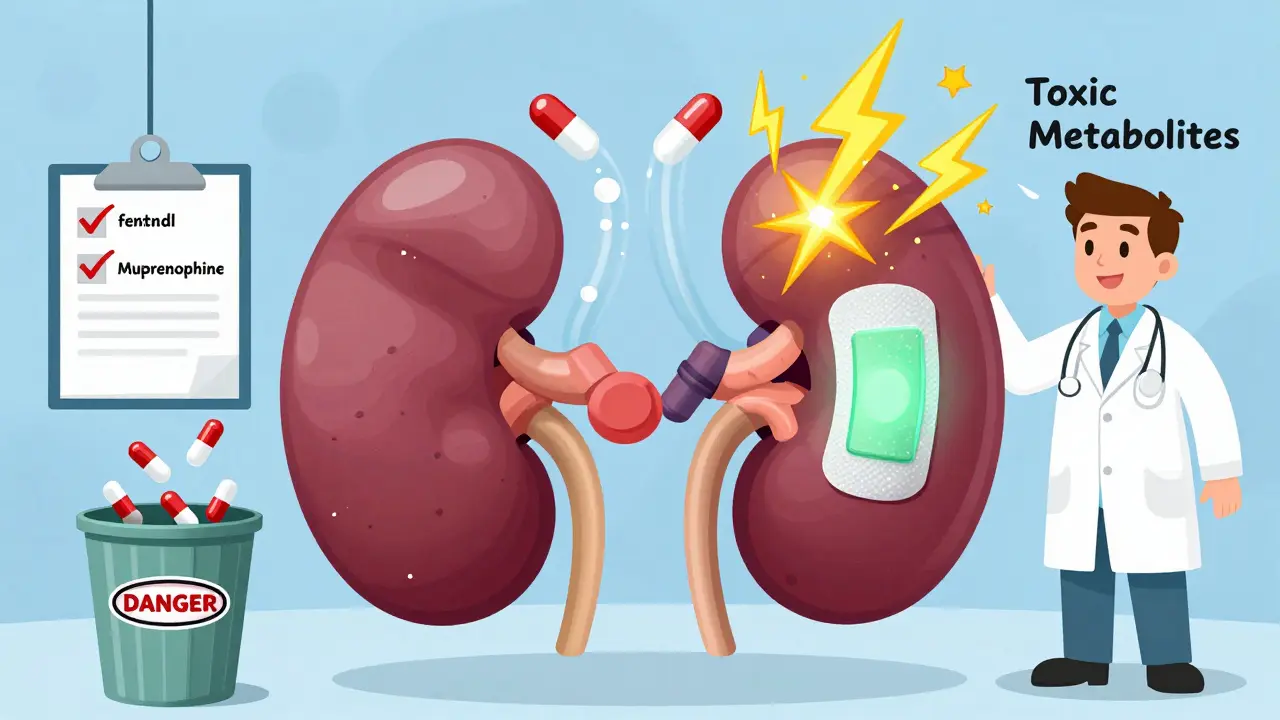
Learn which opioids are safe for kidney failure patients, which to avoid, and how to adjust doses based on kidney function. Evidence-based guidance for chronic pain management in CKD and dialysis.
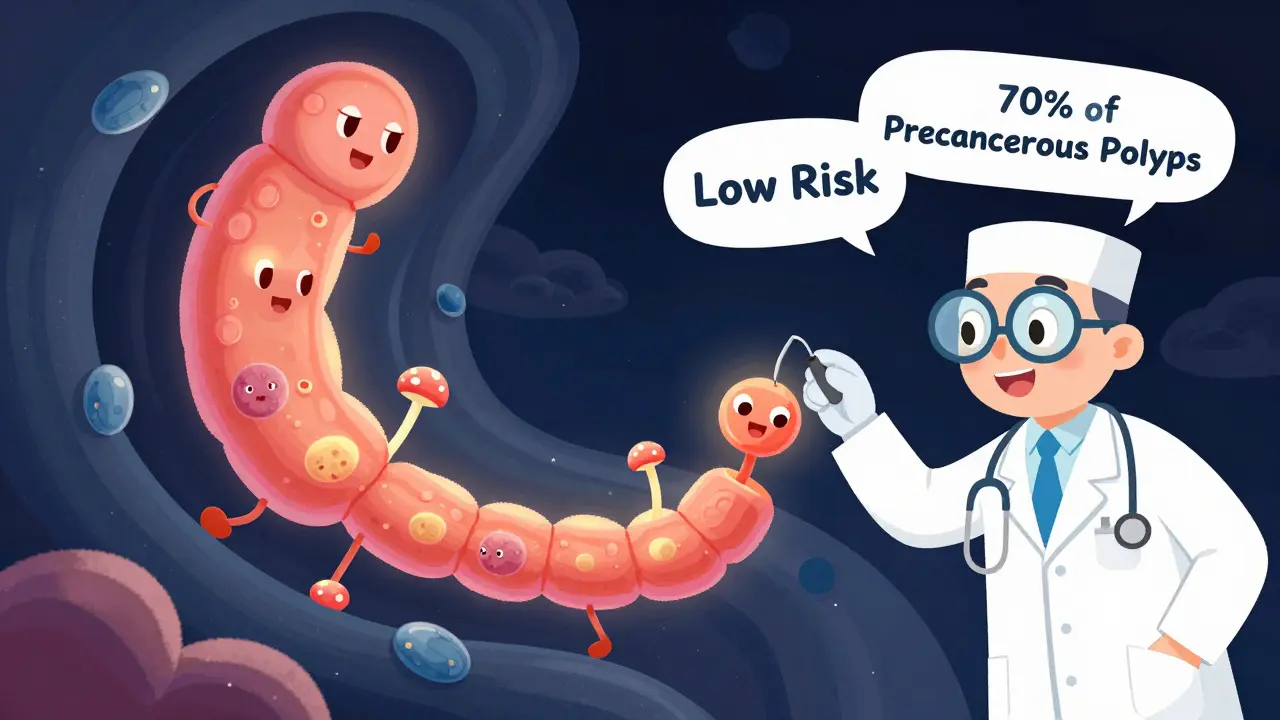
Learn the difference between adenomas and serrated lesions-two major precancerous polyp types in the colon. Understand their risks, detection challenges, and why removal and follow-up matter for preventing colorectal cancer.
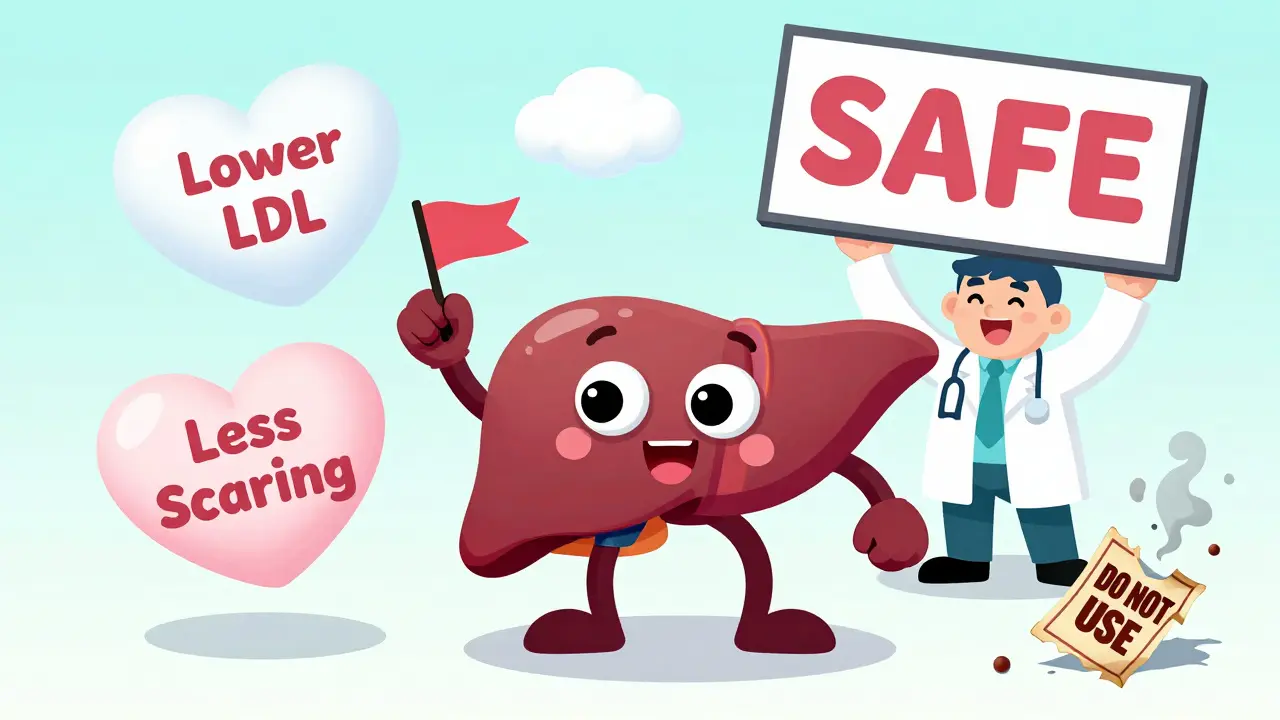
Statins are safe and beneficial for people with liver disease, reducing heart attacks, liver failure, and death. Learn why doctors now recommend them despite old fears.
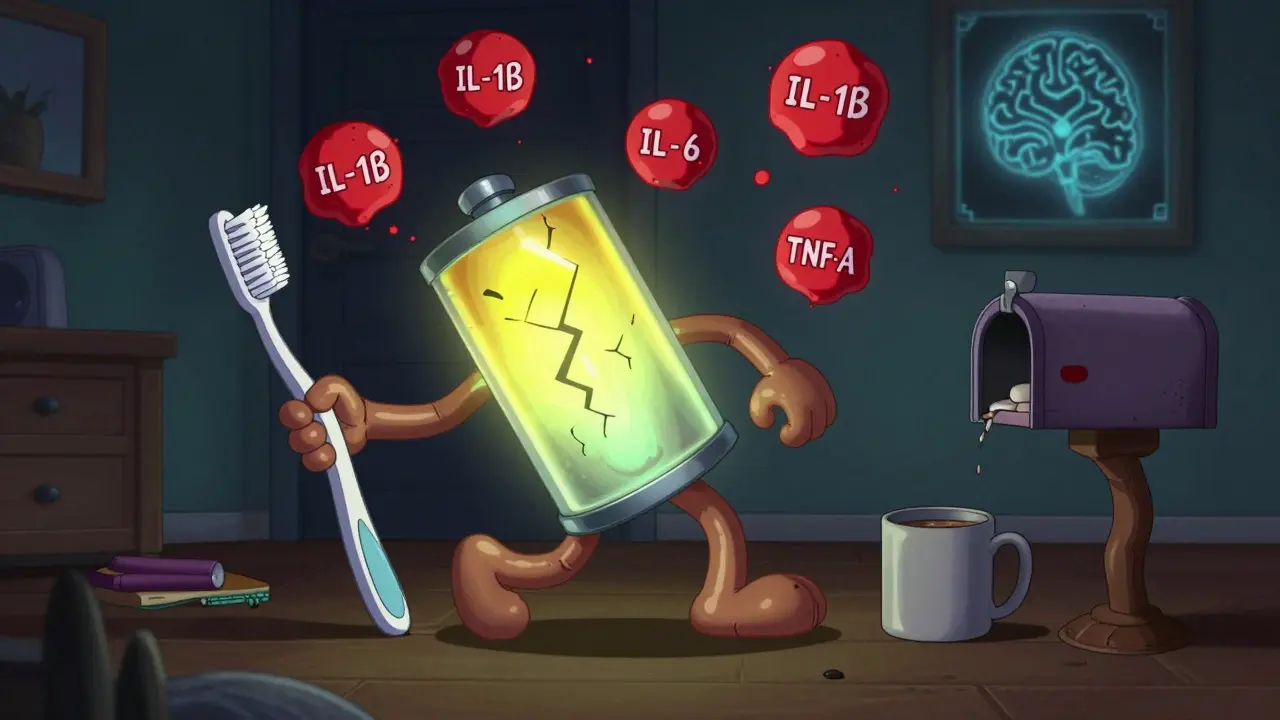
Fatigue in autoimmune disease affects 98% of patients and isn't just tiredness-it's a neurological and inflammatory condition. Learn the real causes and evidence-based strategies to manage it.
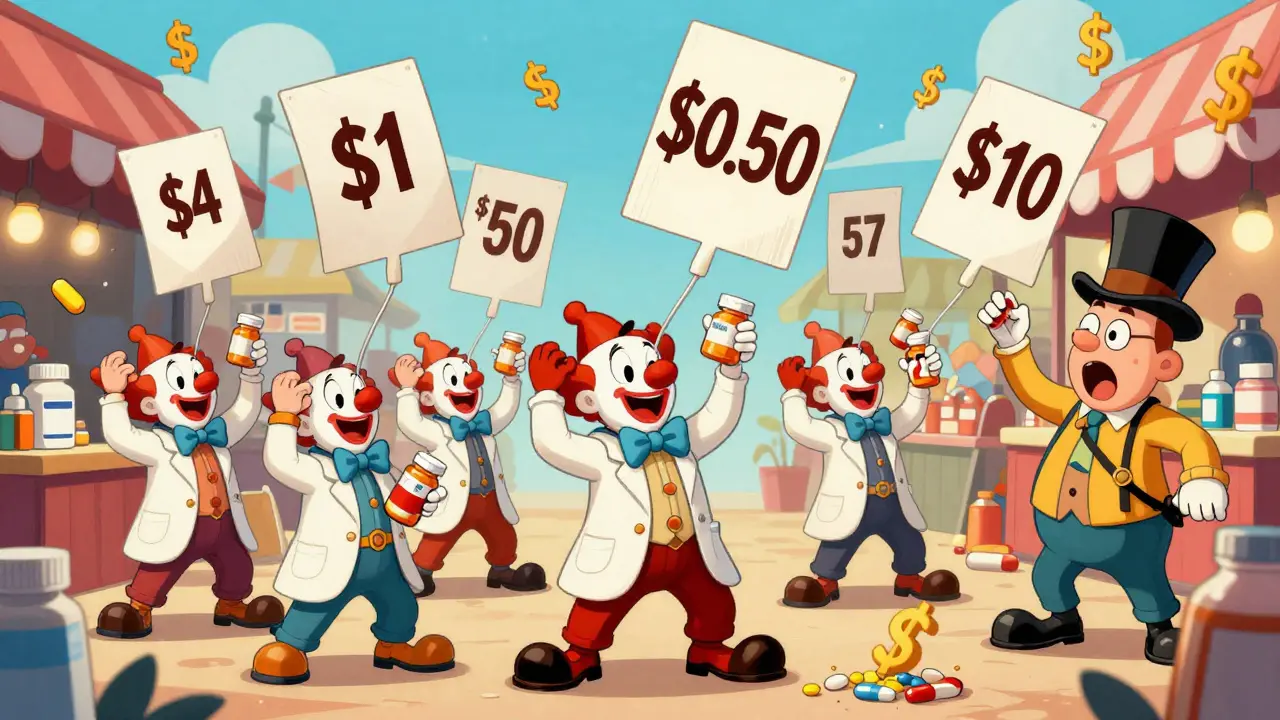
Multiple generic manufacturers drive down drug prices through competition, with prices dropping up to 70% when four or more makers enter the market. But consolidation is reducing competition, risking shortages and price spikes.
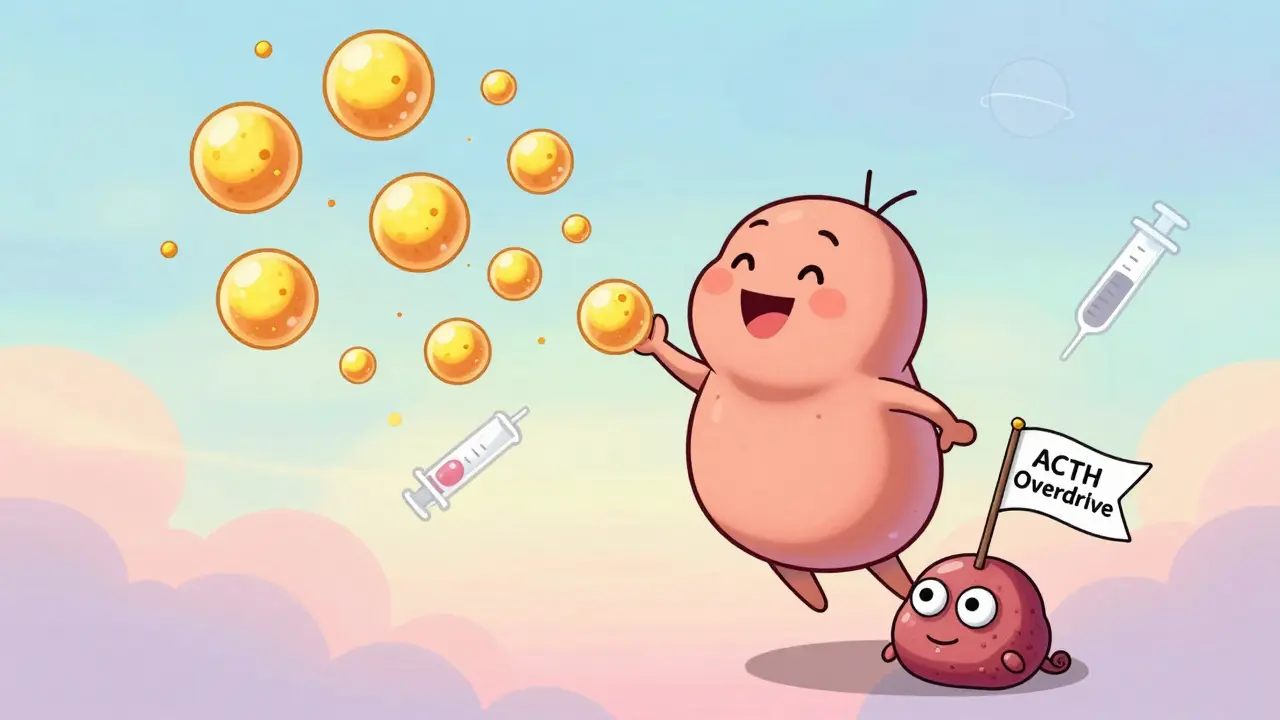
Cushing’s syndrome is caused by excess cortisol and often results from a pituitary or adrenal tumor. Surgery is the most effective treatment, offering high cure rates when performed by experienced teams. Recovery takes months, but most patients regain their health.
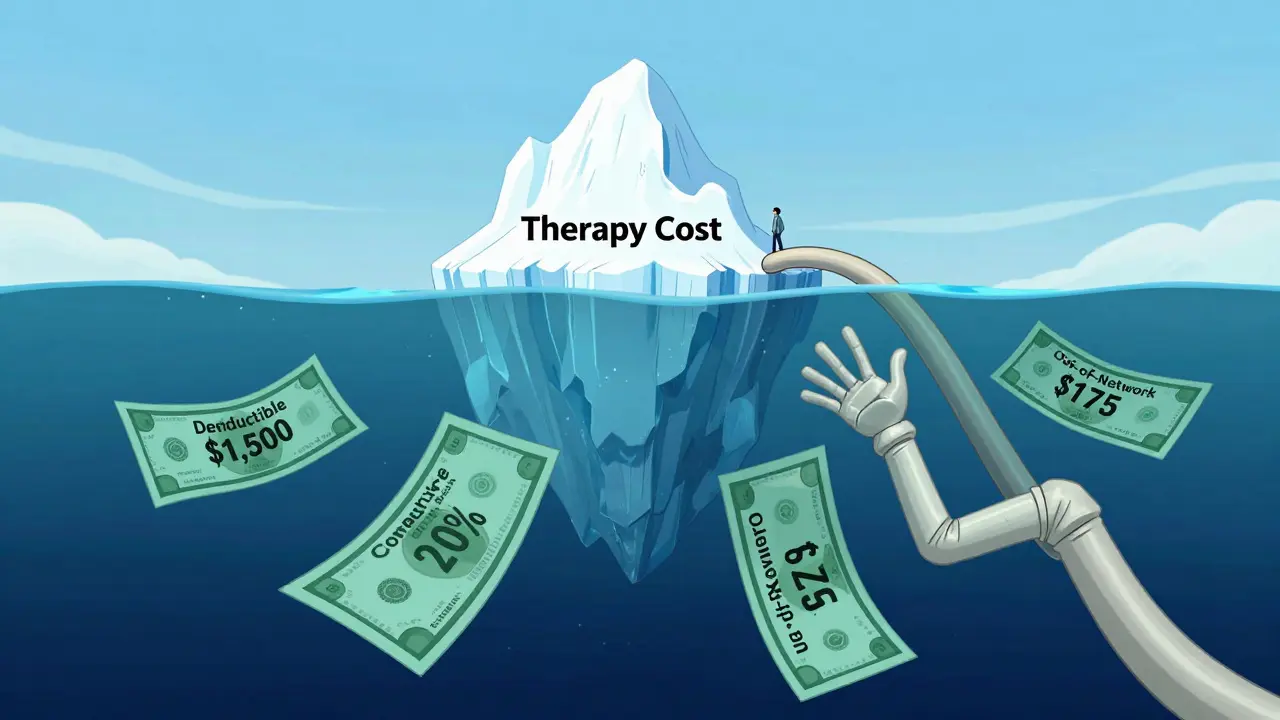
Therapy costs go far beyond your copay. Learn how deductibles, coinsurance, out-of-pocket limits, and network status affect your total bill-so you won't be shocked by unexpected charges.
 Dec, 31 2025