 Dec, 31 2025
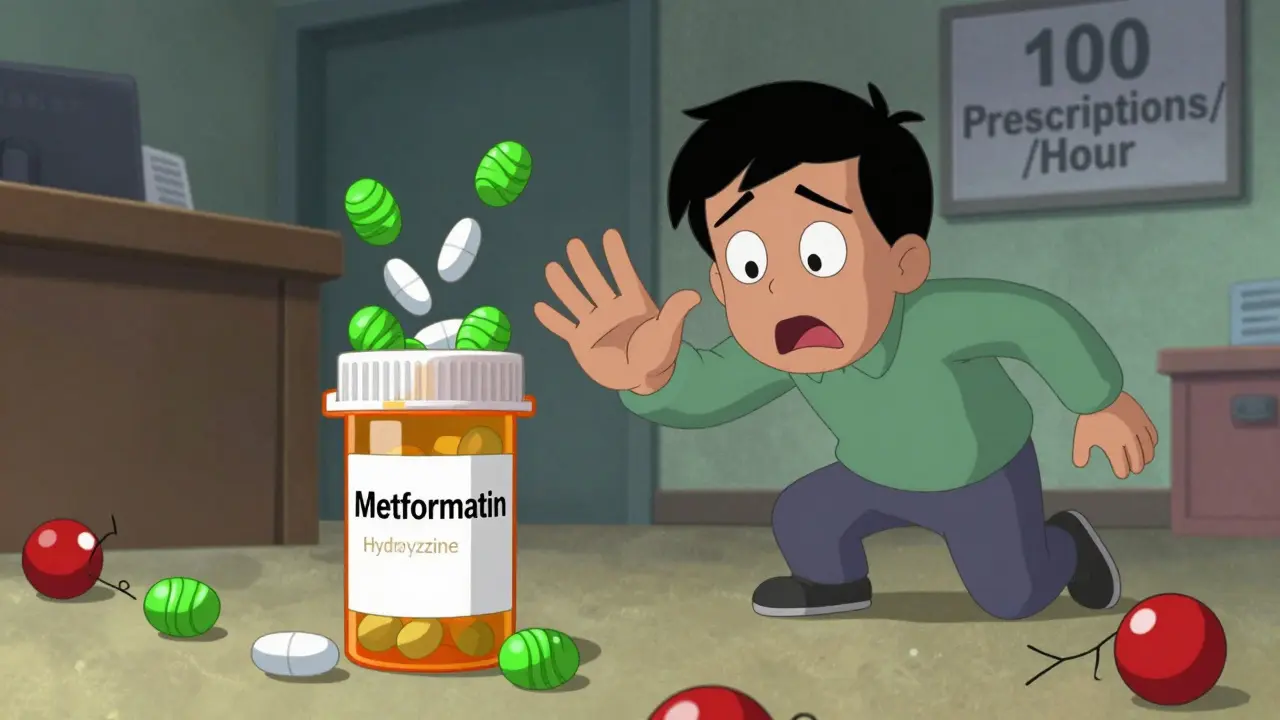
If you open your prescription bottle and the pills don’t look right-different color, shape, size, or maybe even a completely different name on the label-stop. Don’t take another pill. Don’t assume it’s a mix-up. Don’t wait to see what happens. This isn’t a minor inconvenience. It’s a medical emergency waiting to unfold.
Every year, tens of thousands of people in the U.S. get the wrong medication from their pharmacy. Some of these errors are caught before anyone takes a pill. Others aren’t. And when they’re not, the results can be devastating: seizures, organ damage, even death. The most dangerous part? Most people don’t know what to do next. They panic, they ignore it, or they just toss the bottle and hope it was a fluke. That’s exactly what pharmacies and regulators fear most.
Step 1: Stop Taking the Medication Immediately
The first and most critical thing you must do is stop taking the pills. Right now. Even if you feel fine. Even if you’ve only taken one or two. Wrong medications can have delayed effects. A blood pressure pill mistaken for a diabetes drug might not hurt you today-but tomorrow, your blood sugar could crash. Or worse, a child’s ADHD medication accidentally given to an elderly person could trigger a stroke.
Don’t wait for symptoms. Don’t think, “It’s probably just a different brand.” If the pill doesn’t match the description on the prescription label, or if the name on the bottle is not yours, treat it like a red flag. Keep the bottle sealed. Don’t pour out the pills. Don’t flush them. Don’t give them back to the pharmacy yet. You’ll need them as evidence.
Step 2: Call Your Doctor Right Away
Once you’ve stopped taking the medication, contact your prescribing doctor immediately. Don’t wait until your next appointment. Don’t text them. Call. If they’re not in, leave a clear message: “I received the wrong medication from the pharmacy. I have not taken it, but I need to know what to do next.”
Your doctor will ask you for details: what the medication was supposed to be, what you actually received, how many pills you took (if any), and whether you’ve had any symptoms. They may order urgent blood tests, check your vitals, or tell you to go to the ER. If you’ve already taken the wrong pill and feel dizzy, nauseous, confused, or have chest pain-don’t wait for a callback. Call 911 or go to the nearest emergency room. Time matters.
Doctors are trained to handle these situations. They’ve seen them before. They’ll help you, but only if you tell them the truth-no matter how embarrassing it feels to admit you didn’t check the bottle.
Step 3: Contact the Pharmacy-But Not Just Any Staff Member
Now, call the pharmacy where you picked up the medication. Don’t talk to the cashier. Don’t ask the tech who handed you the bag. Ask to speak with the head pharmacist or the manager. These are the people with the authority to investigate, pull records, and initiate corrective action.
Be calm but firm. Say: “I received the wrong medication. I have the bottle, the receipt, and the original prescription label. I need to know how this happened and what you’re going to do about it.”
They will likely apologize. They may say it was a “human error.” That’s not good enough. What matters now is that they document it properly. Ask them to write a report. Request a copy. If they refuse, say, “I’ll be filing a report with the state board. I’d prefer to have your official record.”
Never accept a free refill or a gift card as “compensation.” That’s a tactic to make you drop the issue. Your health is not a coupon.
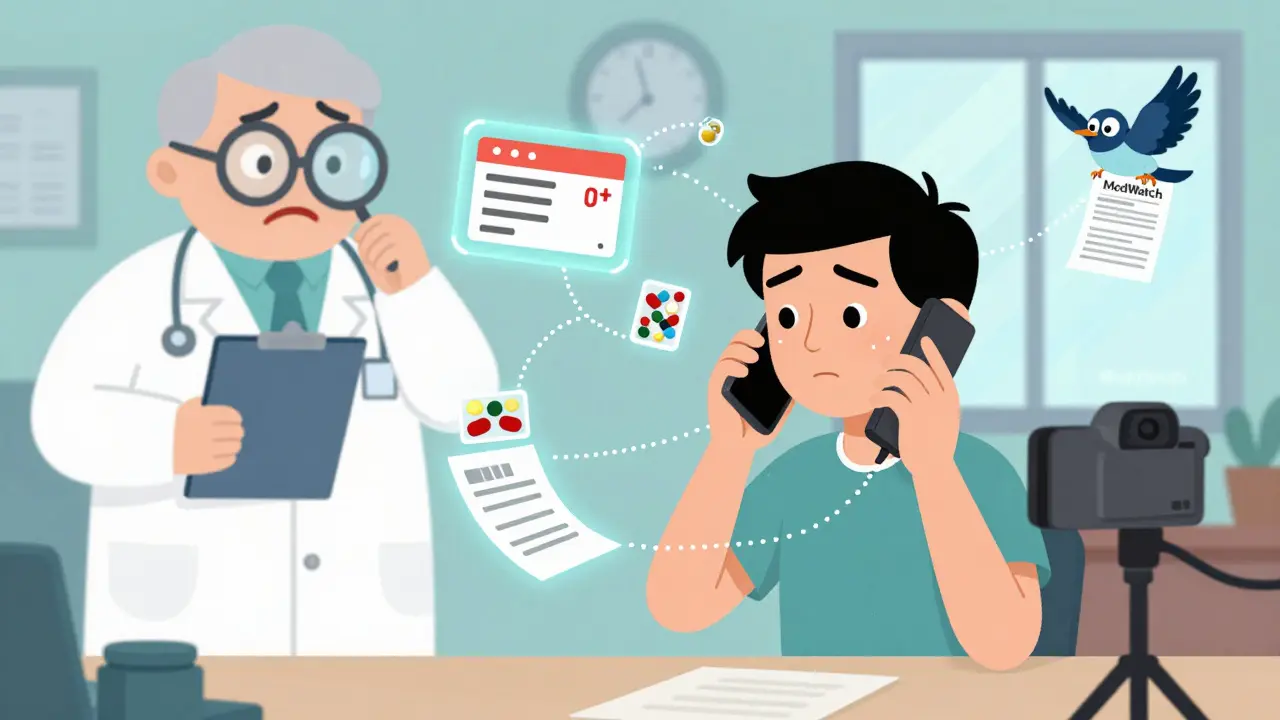
Step 4: Preserve Every Piece of Evidence
This is where most people fail. They throw away the bottle. They lose the receipt. They don’t take a photo. And then, when they try to file a complaint or a legal claim, there’s nothing to prove it happened.
Here’s what you need to save:
- The unused medication-in its original container
- The original prescription label (even if it’s torn)
- The pharmacy receipt with the date and time
- The empty bottle if you’ve already taken some pills
- A photo of the wrong pill next to the label
- A video showing the bottle, label, and pill comparison (this increases legal settlement chances by 37%)
- Your doctor’s notes from any visit related to the error
Write down exactly when you noticed the mistake. Did you see it when you got home? After taking the first pill? Write down your symptoms, if any. Include times, dates, and how you felt. This isn’t just for your lawyer-it’s for your own peace of mind.
Step 5: Report It-To the Right Places
Pharmacies are regulated. They’re not above the law. You have the right-and the responsibility-to report this.
Start with your state’s board of pharmacy. In the U.S., every state has one. In the UK, contact the General Pharmaceutical Council (GPhC). You can report anonymously, but if you want real change, use your name. The more reports they get, the more they’re forced to fix broken systems.
Also file a report with the FDA’s MedWatch program. They receive over 90,000 medication error reports each year. Less than 15% of errors are reported-your voice helps close that gap.
If you’re in the UK, you can also report through the Yellow Card Scheme, run by the MHRA. It’s free, online, and confidential. This isn’t about blame-it’s about preventing the next person from getting hurt.
Legal Rights: What You Can Do After a Pharmacy Mistake
If you suffered harm-physical, emotional, or financial-you may have legal recourse. Pharmacy errors are considered medical malpractice. You don’t need to be a lawyer to understand your rights.
Most cases settle out of court. The average settlement for a pharmacy error ranges from £40,000 to £400,000, depending on injury severity. Cases involving permanent damage, hospitalization, or death can exceed £1 million.
But here’s the catch: you have a limited time. In the UK, you generally have three years from the date you discovered the error to file a claim. In the U.S., it varies by state-between one and three years. Don’t wait. Start documenting now.
Do not give a recorded statement to the pharmacy’s insurance company. Do not sign anything they hand you. Do not accept a quick payout without consulting a lawyer who specializes in medical errors. They work on contingency-you pay nothing unless you win.
Lawyers who handle these cases know the system. They know how to pull pharmacy records, compare barcode scans, and prove negligence. You don’t have to fight alone.
Why This Happens-and How Pharmacies Can Prevent It
It’s not just “human error.” That phrase is used to deflect responsibility. The truth is, most pharmacy mistakes happen because systems are broken.
Pharmacists are overworked. Many handle 200-300 prescriptions a day. One mistake can cost someone their life. And while barcode scanning reduces errors by 85%, only about 60% of U.S. pharmacies use it. In the UK, adoption is higher-but not universal.
Common causes:
- Similar-looking pill names (e.g., Hydralazine vs. Hydroxyzine)
- Handwritten prescriptions that are hard to read
- Staff rushing during peak hours
- Failure to double-check high-risk medications like insulin, blood thinners, or opioids
Studies show that when pharmacies implement double-check systems for high-alert drugs, errors drop by more than 70%. That’s not magic. That’s policy. And it’s within every pharmacy’s power to do better.
What to Do Next: A Quick Checklist
Here’s your action plan-printed, saved, or pinned to your phone:
- STOP taking the medication.
- CALL your doctor immediately.
- CONTACT the head pharmacist at the pharmacy.
- SAVE the bottle, receipt, label, and pills.
- PHOTOGRAPH the mistake-side by side.
- REPORT to your national pharmacy regulator (e.g., GPhC in the UK).
- CONSULT a medical malpractice lawyer if you were harmed.
This isn’t about revenge. It’s about safety. Every report you file, every conversation you have, every photo you take-it pushes pharmacies to change. It forces them to invest in better systems. It protects your neighbors, your parents, your children.
What Happens If You Ignore It?
Some people think, “I didn’t take it, so it’s fine.” But what if you forget next time? What if your partner grabs the bottle thinking it’s theirs? What if your child finds it in the medicine cabinet?
The Journal of the American Medical Association found that people who experience a medication error have a 28% higher risk of dying within five years-even if they didn’t take the wrong pill. Why? Because the trauma, the loss of trust, the anxiety about every future prescription-it wears you down. Your body remembers. Your mind doesn’t forget.
Ignoring it doesn’t make it go away. It just makes it more likely to happen again.
What should I do if I already took the wrong medication?
If you’ve taken the wrong medication, call emergency services immediately if you feel unwell-dizziness, chest pain, confusion, or vomiting are red flags. Even if you feel fine, contact your doctor right away. They may need to run tests to check for hidden effects. Don’t wait for symptoms to appear. Some medications cause damage slowly, and early intervention can prevent long-term harm.
Can I get compensation if I didn’t get hurt?
Compensation usually requires proof of harm-medical bills, lost wages, emotional distress. But you can still demand accountability. Pharmacies are required to fix their systems. Reporting the error helps prevent others from being harmed. In some cases, pharmacies may offer a refund or free prescription as a goodwill gesture, but don’t expect financial compensation without injury.
How common are pharmacy errors?
About 1 in 5 medication errors occur during dispensing. In the U.S., 1.5 million people are affected annually. In the UK, while exact numbers aren’t always public, the NHS reports over 200,000 medication incidents per year, with pharmacy dispensing errors making up a significant portion. Most go unreported because people don’t know how or think it’s not worth it.
Should I switch pharmacies after this happens?
Yes-if you don’t feel confident in their process. A single mistake doesn’t mean they’re all bad, but if they’re dismissive, refuse to investigate, or don’t offer a clear plan to prevent recurrence, it’s time to find a pharmacy that takes safety seriously. Look for places that use barcode scanning, have visible pharmacist supervision, and encourage patient questions.
Can I report a pharmacy anonymously?
Yes. Regulators like the GPhC in the UK and the FDA’s MedWatch in the U.S. accept anonymous reports. But your report will have more impact if you provide your contact details. It helps investigators follow up, verify details, and take stronger action. Your identity is protected by law.
LIZETH DE PACHECO
January 1, 2026 AT 22:05I once got the wrong blood pressure med and just tossed it, thinking it was fine since I didn't take it. Reading this now? I wish I'd saved the bottle. This is the kind of info everyone needs to see before it's too late.
Lee M
January 2, 2026 AT 17:23Let’s be real-pharmacies are profit-driven factories with pharmacists working 12-hour shifts like robots. They don’t care if you live or die as long as the script gets filled. Barcode scanners? Optional. Double-checks? A luxury. This system is designed to fail. And we’re the ones left cleaning up the corpses.
Kristen Russell
January 3, 2026 AT 00:49STOP. CALL. SAVE. REPORT. This checklist is gold. Print it. Laminate it. Tape it to your medicine cabinet. You won’t regret it.
Bryan Anderson
January 4, 2026 AT 00:19I appreciate the thoroughness of this guide. The emphasis on preserving evidence is especially critical. Many people don’t realize how easily documentation can be lost or dismissed, and having photos, videos, and receipts can make all the difference in both legal and regulatory outcomes. Thank you for outlining this so clearly.
Matthew Hekmatniaz
January 5, 2026 AT 00:49As someone who’s worked in healthcare across three countries, I’ve seen this happen everywhere. The U.S. system is broken, but so are others. What matters is that we stop treating these errors as ‘accidents’ and start treating them as systemic failures. The fact that only 15% get reported? That’s the real tragedy. We need more people to speak up-not just for themselves, but for everyone who won’t.
Liam George
January 6, 2026 AT 00:53Did you know the FDA and Big Pharma have a secret handshake? These ‘errors’ aren’t mistakes-they’re controlled releases. Think about it: if everyone took their meds correctly, how many people would need antidepressants? How many would still be on insulin? The pills they give you? They’re designed to keep you dependent. The wrong bottle? Maybe it’s a test. Or a warning. Or a way to filter out the ones who notice. I’ve seen patterns. You haven’t. Yet.
Dusty Weeks
January 7, 2026 AT 18:48bro i took the wrong pill once and i was fine lol 🤷♂️💊
Sally Denham-Vaughan
January 9, 2026 AT 17:53My grandma got the wrong antibiotic last year. She didn’t say anything because she didn’t want to ‘cause trouble.’ Two weeks later she was in the hospital with a bad reaction. This post? It saved her life. I printed it out and put it on her fridge. Everyone needs a copy.
Richard Thomas
January 10, 2026 AT 05:07There’s a deeper philosophical layer here that most people miss. The pharmacy error isn’t just a logistical failure-it’s a metaphysical rupture in the social contract. We entrust our bodies to institutions we believe are infallible, and when they fail, we’re forced to confront the terrifying truth: we are alone in our vulnerability. The pill bottle becomes a mirror. What we see isn’t just a mislabeled tablet-it’s the collapse of trust in systems designed to protect us. And yet, paradoxically, the act of reporting it? That’s an act of radical hope. We’re saying: I still believe this can be better. Even if the system has failed me, I will not let it fail the next person.
Paul Ong
January 11, 2026 AT 06:15Save the bottle call the doc report it dont let them brush it off your life matters
Andy Heinlein
January 13, 2026 AT 03:36Just had to share this with my mom. She’s on 7 meds and always just grabs the first bottle. I’m printing this out and putting it next to her pill organizer. Thanks for writing this-seriously. You made me feel less alone in worrying about this stuff.