 Dec, 21 2025
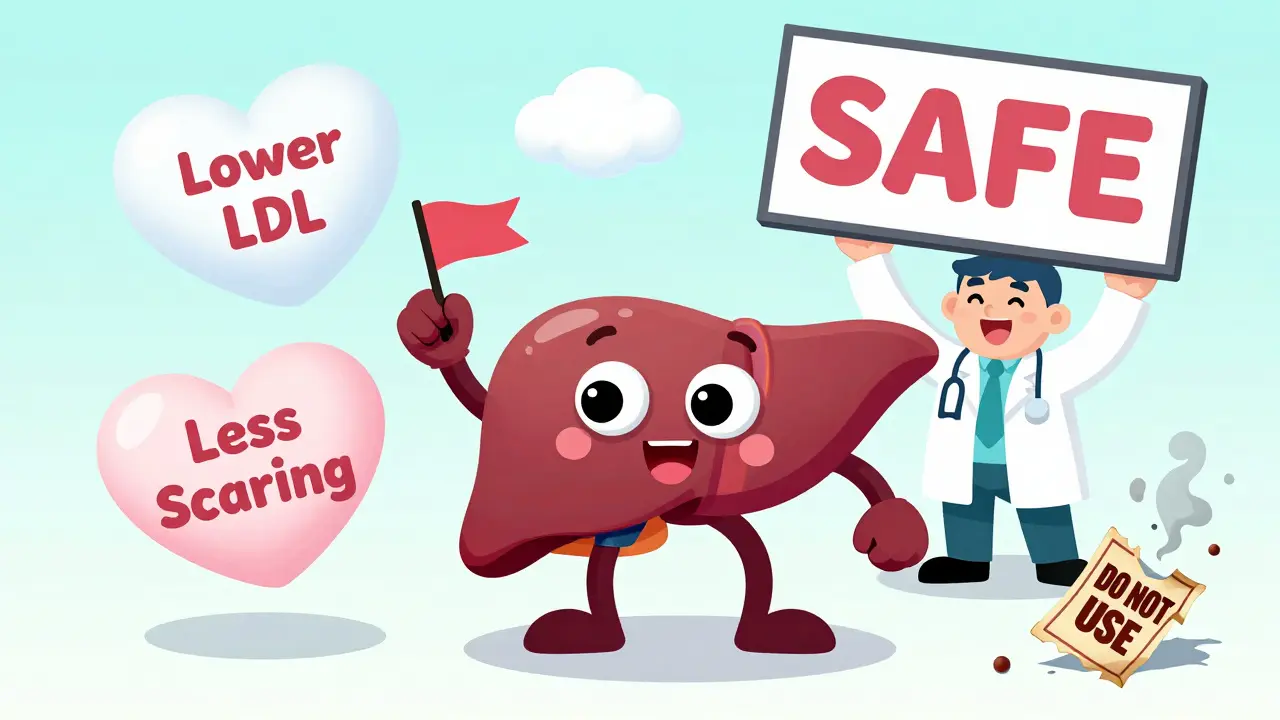
For years, doctors avoided prescribing statins to patients with liver disease. The fear? That these cholesterol-lowering drugs would damage an already fragile liver. But the science has changed - and fast. Today, evidence shows statins aren’t just safe for people with chronic liver disease; they may actually protect the liver while saving lives. If you or someone you know has fatty liver, cirrhosis, or hepatitis, and also has high cholesterol or heart disease risk, this could be one of the most important things you’ve read this year.
Why Statins Were Once Banned in Liver Disease
Back in the 1990s, statins carried a warning label that said: "Do not use in patients with active liver disease." That wasn’t based on strong evidence. It was based on caution. Early studies showed occasional spikes in liver enzymes - the same enzymes doctors test to check liver health. But those spikes were rare, usually temporary, and never linked to real liver damage. Still, the warning stuck. By the 2000s, many hepatologists refused to prescribe statins to patients with cirrhosis or NAFLD, even if they had a 30% chance of having a heart attack in the next 10 years. That changed when large, long-term studies started showing the opposite: statins didn’t harm the liver. They helped it.How Statins Actually Work - and Why They Help the Liver
Statins block HMG-CoA reductase, the enzyme your liver uses to make cholesterol. That lowers LDL - the "bad" cholesterol - by 25% to 60%, depending on the drug and dose. But that’s not all they do. Statins also reduce inflammation, improve blood vessel function, and stabilize plaque in arteries. These effects matter just as much as lowering cholesterol. For the liver, this means something powerful: less scarring, better blood flow, and fewer complications. In cirrhosis, scar tissue builds up and squeezes blood vessels inside the liver. This raises pressure in the portal vein, leading to dangerous bleeding from swollen veins in the esophagus (varices). A 2013 study on rats with cirrhosis found that simvastatin increased a protein called KLF2, which opens up those squeezed blood vessels. The result? Blood flow improved by 20% and pressure dropped by 14% - within 30 minutes of a single dose. Human studies confirmed it. In a trial of 30 cirrhotic patients, those taking 40 mg of simvastatin saw measurable drops in portal pressure. Other studies showed fewer episodes of variceal bleeding, less hospitalization for liver failure, and lower death rates.The Real Risk: Almost None
Let’s talk numbers. Severe liver injury from statins? About 1 in 100,000 patient-years. That’s rarer than being struck by lightning. In the JUPITER trial - which followed 18,000 people on rosuvastatin for two years - the rate of liver problems was exactly the same as in the placebo group. The EXCEL trial with 8,000 patients on lovastatin found zero cases of hepatitis. Even in patients with elevated liver enzymes - up to three times the normal limit - statins are safe. Dr. Neil Kaplowitz from USC says: "Statins do not cause progressive liver injury." The American Heart Association’s 2018 guidelines say routine liver tests aren’t needed. Why? Because monitoring doesn’t prevent harm - and missing a statin prescription can cost lives. Compare that to other drugs. Fibrates? Higher liver toxicity. Aspirin? Risk of bleeding in cirrhotic patients with low platelets. Anticoagulants? Even riskier. Statins stand out because they reduce bleeding risk - not increase it.
Real People, Real Results
Patient stories aren’t just anecdotes - they’re data points. On the American Liver Foundation’s forum, 87% of 142 patients with chronic liver disease reported no liver-related side effects from statins. Over 60% said they felt more energetic. On Reddit’s r/liverdisease, 84% of 58 cirrhosis patients using statins saw no negative liver changes. Nine reported mild enzyme spikes - all resolved without stopping the drug. One patient with NAFLD wrote: "My liver numbers actually improved on atorvastatin." Another with compensated cirrhosis said: "After starting rosuvastatin, my portal hypertension symptoms decreased significantly." The biggest complaint? Doctors wouldn’t prescribe them. One in three patients said they had to push back, bring studies to their appointment, or switch doctors to get a statin.Which Statin? And How Much?
Not all statins are the same - especially in liver disease. Some are broken down by liver enzymes (CYP3A4), which can be slow or overloaded in advanced disease. Others aren’t. That’s key.- Pravastatin and rosuvastatin are the safest choices. They don’t rely heavily on liver metabolism. Start with pravastatin 20-40 mg or rosuvastatin 5-10 mg.
- Atorvastatin and simvastatin are effective but need more caution in advanced cirrhosis. Use lower doses and monitor closely.
- Avoid lovastatin and simvastatin with grapefruit juice - it can spike levels dangerously.
What About Liver Tests?
You don’t need to check liver enzymes every few months. The American Heart Association and European Association for the Study of the Liver both say: skip routine monitoring. Check once before starting, then only if symptoms appear - like dark urine, yellow skin, or severe fatigue. Most enzyme spikes are harmless. They often drop on their own. Stopping the statin won’t fix them - and it will leave you unprotected from heart disease.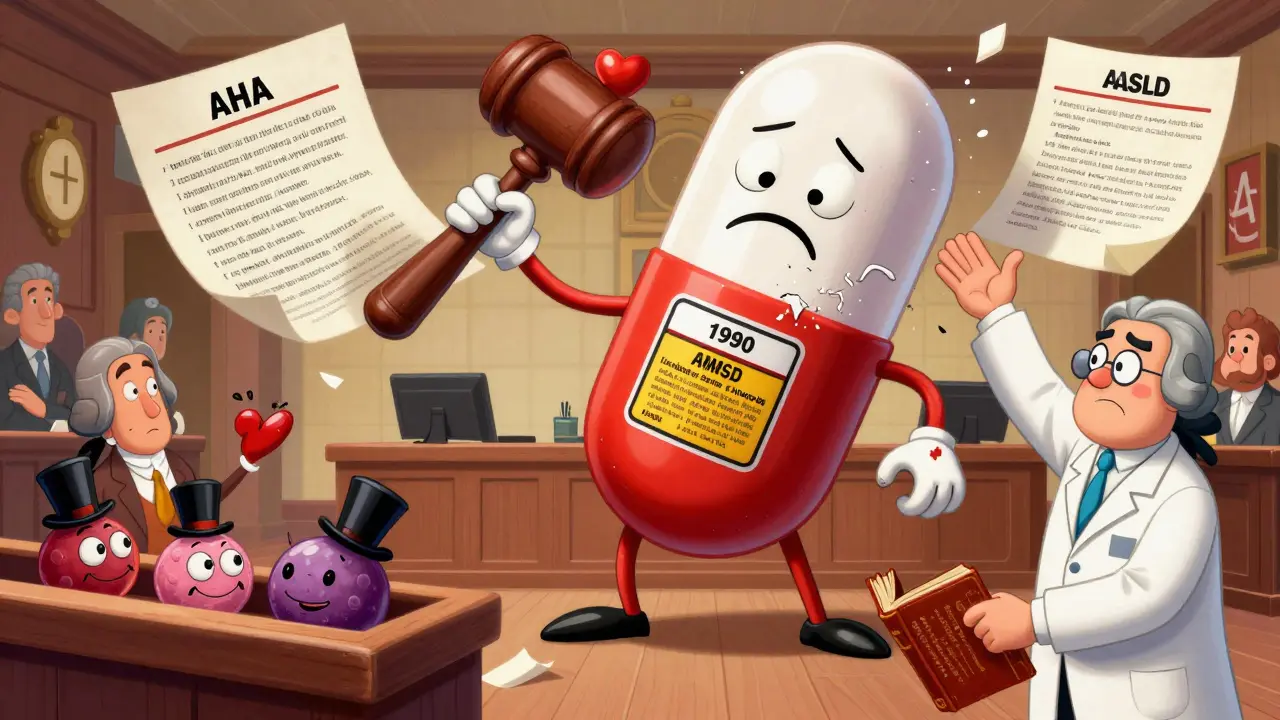
Why Doctors Still Hesitate
The biggest barrier isn’t science - it’s habit. A 2023 survey found that only 68% of hepatologists prescribe statins to eligible patients with liver disease. That’s up from 42% in 2015, but still too low. Why? Many still believe the old warning labels. Some fear lawsuits. Others don’t know the latest guidelines. It takes 18 to 24 months for new evidence to change practice. We’re still in that lag phase. But the tide is turning. The AASLD’s 2022 guidance now says statins are safe and recommended for cardiovascular protection in all stages of chronic liver disease - including cirrhosis.What’s Next?
A major trial called STATIN-CIRRHOSIS (NCT04567891) is currently enrolling patients with decompensated cirrhosis. Results are expected in late 2025. If they show benefit - and early signs point to yes - this could become standard care. Meanwhile, the economic case is strong. The Institute for Clinical and Economic Review estimates statins save $1,200 to $3,500 per patient per year by preventing hospitalizations for liver failure and bleeding. That’s not just good medicine - it’s smart healthcare.Bottom Line: Statins Are a Lifesaver - Not a Risk
If you have liver disease and high cholesterol, heart disease, diabetes, or high blood pressure, statins are likely one of the best things you can take. They lower your risk of heart attack, stroke, liver failure, and death. They don’t harm your liver. They help it. The real danger isn’t taking a statin. It’s not taking one when you need it.Are statins safe if I have fatty liver disease?
Yes. Multiple studies show statins are not only safe in non-alcoholic fatty liver disease (NAFLD), they may improve liver health. They reduce inflammation, lower liver fat, and decrease fibrosis progression. The European Association for the Study of the Liver (EASL) recommends statins for cardiovascular protection in NAFLD patients.
Can statins cause liver damage in cirrhosis patients?
No. Severe liver injury from statins is extremely rare - about 1 in 100,000 patients per year. In cirrhosis, statins do not worsen liver function. In fact, they reduce portal pressure, lower the risk of variceal bleeding, and improve survival. Major guidelines from the AHA and AASLD confirm their safety even in advanced cirrhosis.
Should I stop statins if my liver enzymes go up?
Not unless you have symptoms like jaundice, nausea, or extreme fatigue. Mild enzyme elevations (up to 3x normal) are common and usually harmless. They often resolve on their own. Stopping the statin won’t fix the enzyme level - but it will increase your risk of heart attack or stroke. Only discontinue if advised by a specialist after ruling out other causes.
Which statin is best for someone with liver disease?
Pravastatin and rosuvastatin are preferred because they’re metabolized minimally by the liver. Avoid simvastatin and lovastatin if you have advanced liver disease or take other medications metabolized by CYP3A4. Start with low-to-moderate doses: pravastatin 20-40 mg or rosuvastatin 5-10 mg daily.
Do statins help with liver-related deaths?
Yes. A 2024 study presented at the American Heart Association’s Scientific Sessions found statins reduced liver-related death by 28% in patients with compensated cirrhosis. They also lower the risk of hepatic decompensation and variceal bleeding. The benefit is strongest in patients with early-stage cirrhosis but still significant in advanced cases.
Can I take statins if I drink alcohol?
Moderate alcohol use doesn’t rule out statin therapy. However, heavy drinking worsens liver damage and increases the risk of muscle side effects from statins. If you drink more than 2-3 drinks per day, talk to your doctor. You may need a lower dose or more frequent monitoring. The goal is to reduce both liver and heart risks - statins help with the latter, while cutting alcohol helps with the former.
What if my doctor refuses to prescribe statins?
Bring the latest guidelines. Print out the 2022 AASLD Clinical Guidance or the 2018 AHA Scientific Statement on statins and liver disease. Many doctors still rely on outdated warnings. You’re not asking for something experimental - you’re asking for evidence-based care. If your doctor still refuses, ask for a referral to a hepatologist or preventive cardiologist.
Cara C
December 23, 2025 AT 00:09Finally, someone laid this out clearly. I’ve been telling my dad for years to talk to his doctor about statins-he’s got NAFLD and high cholesterol, and he was terrified of hurting his liver. Now he’s on pravastatin and his numbers are better than they’ve been in a decade. No more panic attacks over liver enzymes.
Meina Taiwo
December 23, 2025 AT 01:49Statins don’t harm the liver. The data is solid. Stop fearing the drug and start fearing the heart attack.
Christina Weber
December 24, 2025 AT 08:17It’s infuriating that doctors still hesitate. The AHA, AASLD, and EASL all agree-statins are safe and beneficial. Yet we’re still playing doctor roulette because some clinician read a 1998 textbook and never updated their brain. This isn’t controversial science; it’s basic pharmacology. If you’re refusing statins for liver disease patients, you’re practicing outdated, potentially lethal medicine.
Jason Silva
December 26, 2025 AT 04:15Wait… so Big Pharma didn’t fake this? 😳 I thought statins were just a money grab to keep us hooked on pills while they profit off liver transplants. But if they’re actually helping the liver… then who’s behind this? 😵💫 #DeepStatePharma #StatinsAreTheNewVaccine
Brian Furnell
December 27, 2025 AT 09:01Let’s unpack this: the pleiotropic effects of statins-namely, their anti-inflammatory, endothelial-stabilizing, and anti-fibrotic properties-are not merely ancillary; they are mechanistically central to their hepatoprotective function. In cirrhosis, portal hypertension is driven by increased intrahepatic vascular resistance; statins upregulate KLF2, which induces nitric oxide synthase, thereby reducing vasoconstriction and improving microcirculatory flow. This isn’t anecdotal-it’s translational physiology, validated across murine models and human RCTs. The reluctance to prescribe reflects cognitive dissonance, not clinical prudence.
Erika Putri Aldana
December 29, 2025 AT 05:09so like… statins are good? wow. mind blown. 🤯 i thought they were just for rich people who eat too much cheese. also my cousin’s doctor told her to stop them and now she’s fine. so… idk? 🤷♀️
Swapneel Mehta
December 30, 2025 AT 21:48I’ve been on rosuvastatin for 3 years with cirrhosis. My liver enzymes spiked once-went back down on its own. I’ve had zero side effects. I feel better. My energy’s up. I’m not scared anymore. If your doctor says no, ask them to read the 2022 AASLD guidelines. Or bring them this post. It’s all right here.
Dan Adkins
December 31, 2025 AT 08:41While I acknowledge the empirical data presented in this communication, I must respectfully submit that the extrapolation of cardiovascular benefit to hepatic outcomes remains, in certain clinical contexts, a subject requiring further longitudinal scrutiny. The pharmacokinetic profiles of statins in advanced hepatic impairment are not uniformly predictable, and while population-level studies demonstrate safety, individual metabolic variability may necessitate a more conservative therapeutic approach. Moreover, the concomitant use of other hepatotoxic agents, such as acetaminophen or antifungals, may alter the risk-benefit calculus. Therefore, blanket recommendations, however well-intentioned, may inadvertently compromise patient autonomy in complex cases.
mukesh matav
January 1, 2026 AT 00:34Thanks for sharing this. I’ve been nervous about starting statins because of my hepatitis C. Now I feel like I can talk to my doctor without feeling like I’m pushing too hard. I’ll bring the guidelines next visit.