 Aug, 20 2026
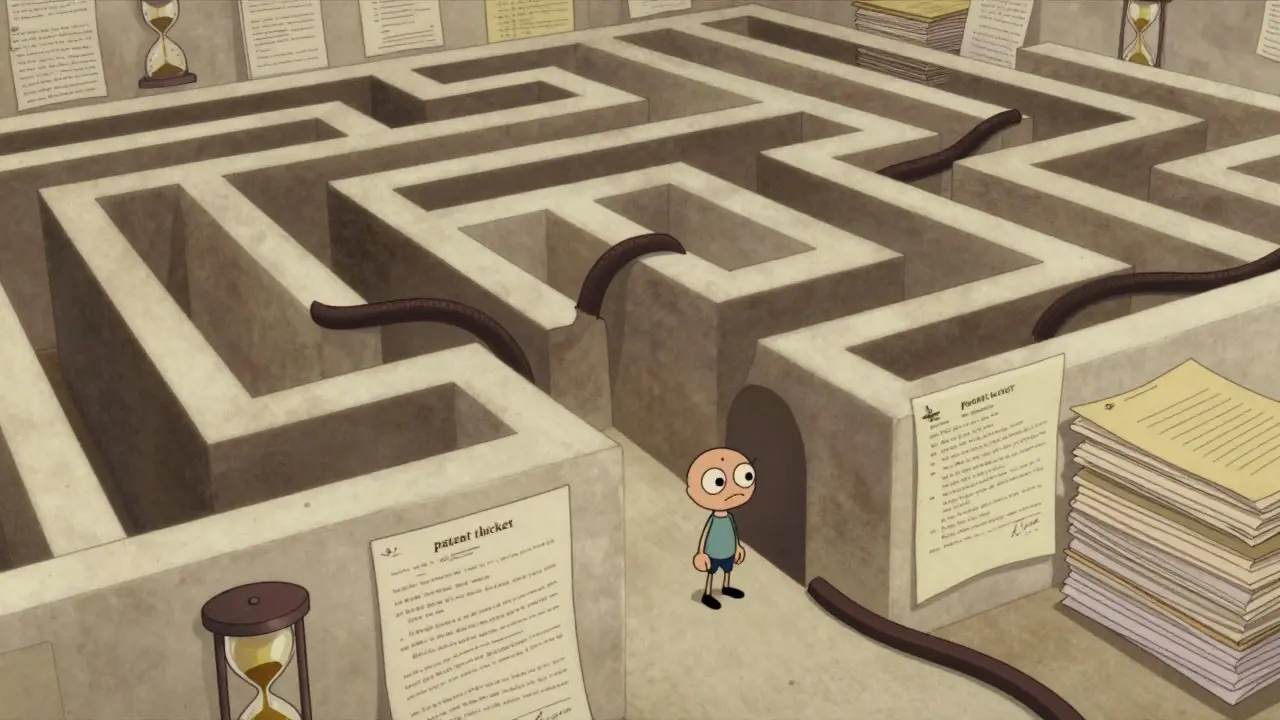
You’re at the pharmacy counter, holding a prescription for a life-saving medication. You expect to ask, “Do you have a generic?” and save some money. But sometimes, the answer is simply no. It’s not that the drug is brand new; in many cases, it’s been on the market for years. So why can’t anyone else make a copy? Brand-name drugs without generic alternatives are often locked behind layers of legal, technical, and economic barriers that go far beyond a simple expiration date.
Understanding this helps explain why your insulin or asthma inhaler costs what it does. It’s not just greed; it’s a complex web of patents, manufacturing difficulties, and regulatory hurdles. Let’s break down exactly why some medications remain exclusive to their original makers.
The Patent Maze: More Than Just One Clock
The most obvious reason is patent protection. When a company develops a new drug, they file for a patent, which typically lasts 20 years from the filing date. However, by the time the U.S. Food and Drug Administration (FDA) approves the drug, several years have already passed. This means the effective market monopoly is shorter than 20 years, but companies use various strategies to extend it.
Pharmaceutical firms often file multiple patents covering different aspects of the same drug-this is known as a "patent thicket." For example, AstraZeneca extended the exclusivity of Nexium (esomeprazole) well past its original patent expiry by filing additional patents on formulation and dosage forms. Dr. Robert J. Goldberg of Harvard Medical School notes that these tactics add an average of 3.2 years to market exclusivity. Additionally, the Hatch-Waxman Act allows for up to five years of patent extension if the approval process delayed the product's launch. Then there are pediatric studies, which can add six months more. All these extensions stack up, keeping generics off the shelf longer than you might expect.
When Chemistry Gets Complicated: Complex Molecules
Not all drugs are simple chemical compounds that can be easily replicated. Some are biologically derived or structurally massive. Take Premarin, for instance. Its active ingredients come from pregnant mares' urine and contain a mixture of estrogen compounds that haven't been fully identified individually. Because you can't synthesize it from scratch with standard chemistry, replicating it precisely is nearly impossible, even after patents expire.
This category also includes biologics, large molecules made from living cells rather than chemical synthesis. Examples include Humira (adalimumab) and Enbrel (etanercept). Unlike small-molecule drugs, biologics are too complex to be copied exactly. Instead of "generics," we get "biosimilars," which must be proven highly similar but not identical through extensive clinical trials. The first Humira biosimilar didn't hit the U.S. market until 2023, seven years after the main patent expired, due to these rigorous testing requirements and ongoing legal battles.
Delivery Systems That Defy Replication
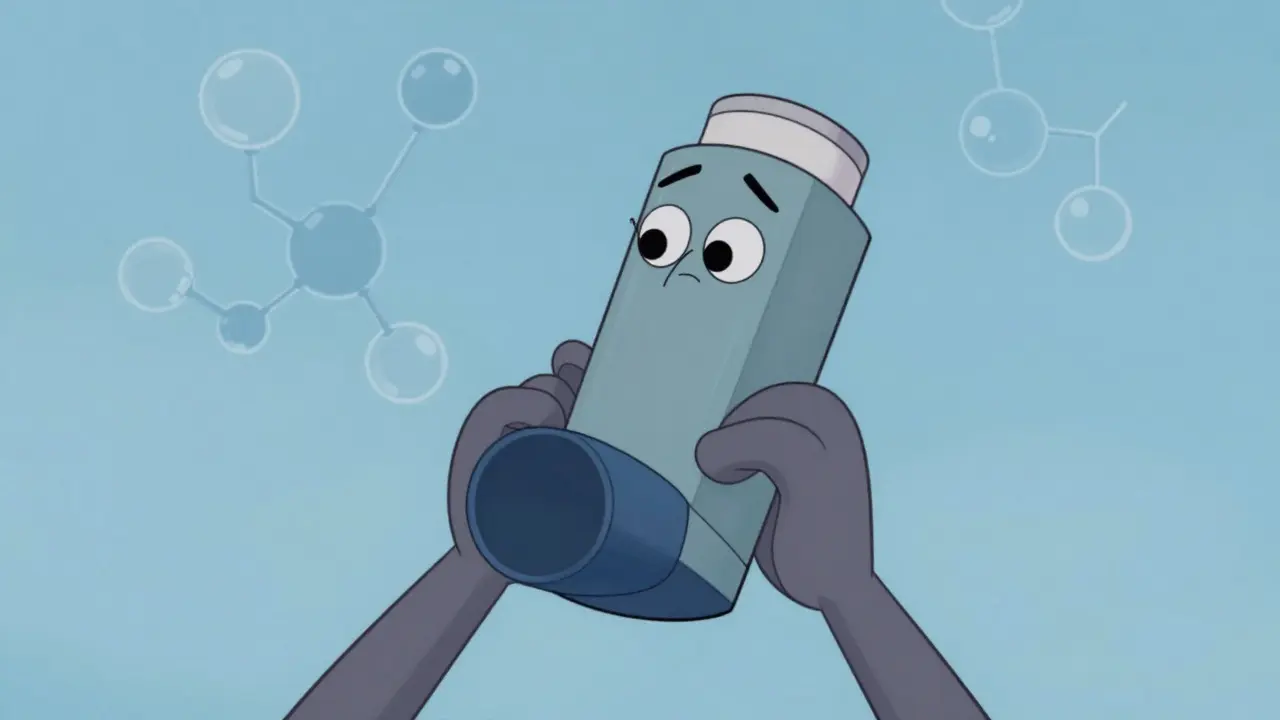
Sometimes, the drug molecule itself isn't the issue-it’s how it gets into your body. Many modern medications rely on proprietary delivery mechanisms that are protected by separate patents. Advair Diskus, a popular asthma inhaler, uses a specific mechanical device to deliver the medication. If a generic manufacturer makes a slight change to the inhaler's mechanism, the FDA requires new tests to ensure the drug reaches the lungs effectively. These "device patents" keep competitors out, even if the chemical ingredient is available.
Similarly, transdermal patches like Androderm for testosterone replacement involve sophisticated adhesion and release technologies. Getting the hormone to seep through the skin at the exact right rate over 12 hours is technically challenging. Minor variations in the patch material can alter efficacy, leading to delays in generic approval. This is why you might see a generic version of the pill but not the patch, or vice versa.
Market Economics: Is It Worth the Effort?
Even when a drug is legally eligible for generic competition, companies might decide it’s not profitable enough to pursue. Developing a generic drug still costs millions in research, facility setup, and FDA application fees. If the original brand-name drug has a small patient base or low profit margins, the return on investment might be slim.
This is particularly true for orphan drugs, which treat rare diseases. Since the number of patients is small, the total revenue potential is limited. Without a guaranteed large market, few generic manufacturers will take the risk. Furthermore, "pay for delay" settlements occur where the brand-name maker pays the generic competitor to stay out of the market. The Federal Trade Commission estimates these deals cost consumers $3.5 billion annually. It’s a legal gray area that effectively maintains the monopoly without needing a new patent.
| Barrier Type | Example Drug | Primary Reason for Exclusivity | Typical Delay Duration |
|---|---|---|---|
| Patent Thickets | Nexium | Multiple overlapping patents on formulation | 5-7 years beyond core patent |
| Biologic Complexity | Humira | Requires biosimilar pathway, not standard generic | 7+ years post-patent expiry |
| Delivery Device | Advair Diskus | Inhaler mechanics patented separately | Varies, often 3-5 years |
| Market Size | Orphan Drugs | Low volume, high development cost risk | Indefinite |
Regulatory Hurdles and Bioequivalence
To get approved, a generic drug must prove "bioequivalence." This means it must deliver the same amount of active ingredient to your bloodstream at the same speed as the brand-name version. The FDA sets strict ranges (usually 80%-125%) for these measurements. For drugs with a "narrow therapeutic index"-like blood thinners or anti-seizure meds-small differences can be dangerous. This makes proving bioequivalence harder and more expensive, discouraging some manufacturers from entering the market.
Additionally, access to samples used to be a major hurdle. Brand-name companies could refuse to give generic developers samples of their product for testing. The CREATES Act of 2019 helped fix this, but legacy issues and litigation still slow things down. The FDA’s Orange Book lists these patents and exclusivities, serving as a roadmap for generic developers, but navigating it requires significant legal expertise.
What This Means for Your Wallet
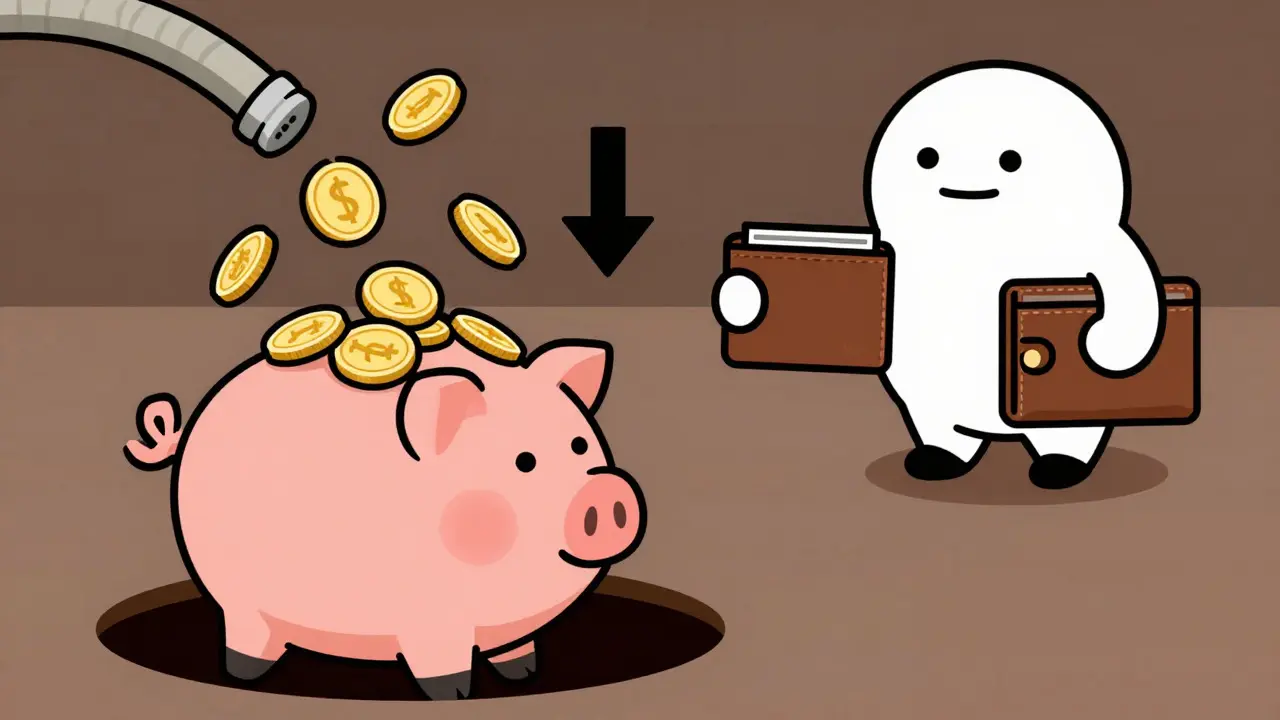
The financial impact is real. According to GoodRx data, brand-name drugs without generic alternatives cost 437% more on average than those with generic options. For chronic conditions, this adds up fast. A patient on Gleevec (imatinib) paid $14,500 monthly before the generic arrived in 2016; afterward, the cost dropped to around $850. That difference is the gap between staying on life-saving treatment and rationing doses.
However, the landscape is shifting. The FDA’s GDUFA III initiative has increased approvals for complex generics by 27% in recent years. Biosimilar numbers are expected to grow significantly by 2025. While some ultra-complex biologics and orphan drugs may remain exclusive for decades, the trend is toward greater competition. Understanding these barriers helps you advocate for yourself, asking doctors about therapeutic alternatives when a true generic isn't available.
Frequently Asked Questions
How long do patents usually last for a new drug?
Standard patents last 20 years from the filing date. However, because FDA approval takes 3-5 years, the actual market exclusivity is often shorter, though extensions for pediatric studies or delayed approval can add up to 5.5 years back.
What is the difference between a generic drug and a biosimilar?
Generics are chemically identical copies of small-molecule drugs. Biosimilars are highly similar versions of complex biologics made from living organisms. They don't need to be identical, just clinically equivalent, which involves more testing and higher costs.
Can I switch between a brand-name drug and its generic?
Yes, for most small-molecule drugs, pharmacists can substitute generics automatically because they are bioequivalent. However, for narrow therapeutic index drugs, your doctor might prefer you stick to one version to avoid fluctuations in blood levels.
Why are some generic drugs more expensive than others?
Price depends on competition. If only one or two generic manufacturers exist, prices stay higher. Once three or more enter the market, competition drives prices down significantly, often by 80-85%.
What is a 'pay for delay' settlement?
It’s a deal where the brand-name company pays the generic company to wait before launching their cheaper version. While legal in many contexts, regulators view it skeptically because it keeps prices high for consumers without adding new value.
Jw George John Warren
August 22, 2026 AT 06:57Oh, look at that. Another article trying to tell us it's "complex web of patents" and not just pure corporate greed holding our lives hostage for profit 📉💸. I mean, sure, the chemistry is hard, but let's not pretend they aren't paying off regulators to keep the price tags astronomical while we ration our meds like it's the 1800s. It’s a rigged game, plain and simple. The fact that they call it a "legal gray area" instead of a crime against humanity says everything you need to know about who really runs this country. Wake up people. They are bleeding us dry and calling it innovation.
Garry Hedges
August 24, 2026 AT 02:38its not just greed its the system itself that is broken from the root down. we have to stop looking at the individual companies and start looking at the incentives built into the law. if you remove the patent cliff protection they will stop innovating? maybe. or maybe they will just make more drugs that work for 5 years then die. the real issue is we treat healthcare like a commodity market when its a human right. fix the structure not the symptoms. we are all just pawns in their chess game until we change the rules. no one cares about the patient only the bottom line. wake up before its too late
Ankit Sinha
August 25, 2026 AT 21:11You're ignoring the supply chain logistics entirely. It's not just about the molecule; it's about the API sourcing. Most generic manufacturers in India or China have to qualify new suppliers which takes years. If you think it's just about "greed", you clearly haven't read an ANDA filing. The FDA review process alone is a bottleneck that has nothing to do with big pharma lobbying. Stop blaming the devil and look at the data. The delay is often regulatory inertia, not malice. You're projecting your political bias onto a technical problem. Typical.
Vivek sharma
August 26, 2026 AT 14:53Great point about the delivery systems! I always wondered why inhalers were so expensive even when the drug was old. It makes sense that the device is the real product, not just the powder inside. We need to think differently about how we value these innovations. Sometimes the container is as important as the content. This changes how we should negotiate prices with insurers. Thanks for sharing this perspective, it really helps me see the bigger picture of pharmaceutical economics. :)
Simon-Pierre Bouchard
August 28, 2026 AT 08:44"Complex molecules." Right. Because my asthma inhaler is basically a tiny spaceship that requires a PhD in aerospace engineering to replicate. Sure, the device is patented, but let's not act like a plastic puffing mechanism is rocket science. It's a barrier to entry designed to keep competition out, full stop. The FDA requiring "new tests" for a slight mechanical change is just another way to bleed money from the generic makers so they give up. Very convincing argument for the status quo. Bravo.
Vivek sharma
August 30, 2026 AT 06:57Fair enough, but consider this: if the device fails, the drug doesn't reach the lungs. So the device IS part of the therapeutic effect. It's not just packaging, it's pharmacology. That's why the testing is strict. Without it, patients might get under-dosed or over-dosed. It's a safety net, not just a profit center. We need to respect the science behind the delivery method. It's a subtle but critical distinction. 🙂
Saher Ghattas
August 31, 2026 AT 01:51The biosimilar pathway is a regulatory construct designed to protect incumbent market share via administrative burden. The FDA's approval criteria for "high similarity" are subjective and allow for arbitrary rejection based on non-clinical endpoints. This creates a de facto monopoly extension without explicit patent term adjustment. It is a form of regulatory capture where the agency serves the industry rather than the public interest. The data supports this conclusion unequivocally.
Marc-Alexandre Rizzo
September 1, 2026 AT 22:59That's a bit heavy on the jargon, isn't it? But there's truth in there. I've seen friends struggle with Humira costs. It feels like the door is locked and the key is buried in a pile of paperwork. We need to make sure the next wave of biosimilars actually hits the shelves, not just gets approved on paper. It's about access, after all. Let's hope the trend lines up with reality soon. It would be a relief to see prices drop for those complex treatments.
Ella Mentry
September 3, 2026 AT 12:05Oh, did you know that the reason they don't make generics is because they want to keep the quality high? My cousin works in pharma and she told me it's all about safety. If anyone could just copy it, we'd all be sick. So really, thank you, Big Pharma, for saving us from bad copies! Also, did you notice the table? It's so informative. I love how they use words like "exclusivity" instead of "monopoly." Such nice euphemisms. Makes it sound so professional and caring. Don't you agree?
Rachel Robinson Interiors
September 5, 2026 AT 00:37While the terminology can feel cold, the underlying point about safety standards is valid. Bioequivalence is crucial for narrow therapeutic index drugs. However, the cost barrier remains the primary driver for many patients. It is important to balance regulatory rigor with economic accessibility. Perhaps more transparency in the pricing models would help bridge this gap. We should encourage open dialogue between manufacturers and payers to find sustainable solutions.
sonia rockett
September 6, 2026 AT 19:11I totally agree! And the good news is that GDUFA III is showing results. A 27% increase in approvals is huge! It proves that when we push for better processes, things improve. We shouldn't lose hope. Every new biosimilar that comes to market is a victory for patients. Let's keep advocating for these changes. The future looks brighter for affordable medication if we stay engaged and informed. Keep up the great work on raising awareness!
Darcy Galway
September 8, 2026 AT 11:39In Canada we have a different system. We have a list of approved drugs. If it is not on the list you pay cash. But the same problem exists. Some drugs are very expensive. I think we need to talk to our doctors more. Ask them if there is another choice. It helps. Do not be afraid to ask. It is okay to save money. Health is important but money is also life. Simple things matter.
Jesse Barlau
September 9, 2026 AT 07:08It is worth noting that while the US system relies heavily on private insurance and out-of-pocket costs, other nations utilize centralized procurement which can leverage volume to drive down prices even for brand-name exclusives. This structural difference means that the "barriers" described here may manifest differently in single-payer systems, though the fundamental scientific challenges of replication remain universal regardless of the healthcare model employed. Understanding these systemic variations provides a more complete picture of global pharmaceutical economics.
Michael Smith
September 9, 2026 AT 12:52So basically... we're stuck. Great. Love the optimism. Just gonna sit here and wait for the "trend" to shift while I pick through my wallet for coins. Thanks for the detailed breakdown of why my rent is going up. Really helpful. Can't wait to read the sequel: "Why Your Car Insurance Is Actually A Gift From God".