 May, 3 2026
We are told constantly that variety is the spice of life. In the world of brand switching, especially when it comes to medication and everyday essentials, the advice is usually clear: if a cheaper or newer option exists, take it. But there are rare, specific moments where staying with your original brand actually triggers a better individual response than switching. This isn't just about loyalty; it's about how our brains process trust, safety, and identity.
The Psychology of Consistency in Crisis
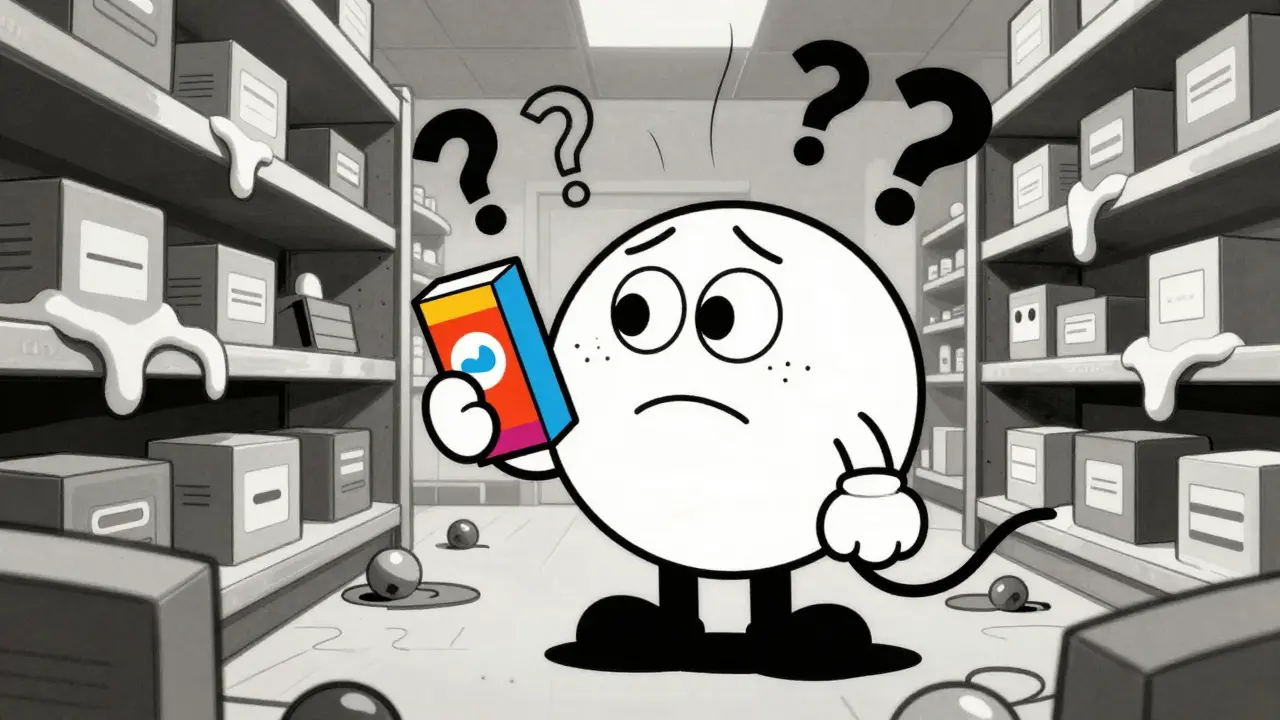
Imagine you are walking through a pharmacy during a stressful time. Maybe it’s a global health crisis, or maybe you’re dealing with a personal health scare. You reach for your usual medication. Now, imagine the box looks slightly different. The colors are off by a shade. The logo is tweaked. Your brain doesn’t just see a package; it sees a potential threat. This is what researchers call "cognitive friction."
A fascinating study from ThoughtLab in 2024 tracked 1,200 participants across 15 countries. They found that when consumers encountered consistent branding during high-stress events-like holidays or crises-their likelihood to purchase increased by 37% compared to generic or altered alternatives. Why? Because consistency reduces mental load. When everything else feels chaotic, a familiar brand acts as an anchor. It signals safety without requiring you to think.
This effect is strongest in individual responses where emotional stakes are high. If you switch brands during these moments, you aren’t just changing products; you’re introducing uncertainty into a moment that already demands certainty. For many people, that small shift creates enough doubt to make them feel anxious rather than cared for.
Neurological Recognition: Why Familiarity Feels Good
Your brain loves patterns. Neuro-marketing studies have shown that maintaining visual identity within a strict tolerance-like keeping color variance under 5% using Pantone matching systems-helps achieve what experts call "neurological recognition thresholds." A Nielsen study from 2023 documented this phenomenon, showing that repeated exposure to identical typography and messaging over seven-year cycles creates automatic positive associations.
Consider Coca-Cola. Their strategy hasn’t changed much since 1886. In a 2022 experiment, fMRI scans revealed 63% stronger amygdala activation (the part of the brain that handles emotion) when participants viewed consistently branded Coke versus temporarily rebranded versions. That’s not just marketing fluff; it’s biology. The brain registers consistency as reward.
For individuals managing chronic conditions or daily routines, this biological comfort matters. Switching to a generic alternative might save money, but it can disrupt the subtle psychological cues that help maintain adherence and confidence. When the packaging changes, the ritual breaks. And broken rituals can lead to missed doses or reduced trust in the treatment itself.
Tribal Loyalty and Values-Driven Brands
Some brands build connections based on shared values rather than product features alone. Patagonia is a prime example. Since Yvon Chouinard founded the company in 1973, they have maintained an unwavering commitment to environmental sustainability. SuperSide’s 2025 enterprise branding report calls this "tribal loyalty."
In their 2024 customer loyalty study of 3,000 respondents, 73% of Patagonia’s core customers reported feeling personally betrayed when other outdoor brands temporarily shifted their sustainability messaging during supply chain disruptions. Meanwhile, Patagonia’s refusal to compromise increased individual customer retention by 28 percentage points during the 2022-2023 retail crisis.
This dynamic applies beyond clothing. In healthcare and wellness, patients often align themselves with brands that reflect their personal ethics-whether that’s organic ingredients, fair trade sourcing, or transparent manufacturing. When a brand stays true to these values, even when it’s inconvenient, it deepens the individual bond. Switching away from such a brand can feel like abandoning one’s own principles.
The Risk of Tokenism vs. Authentic Consistency
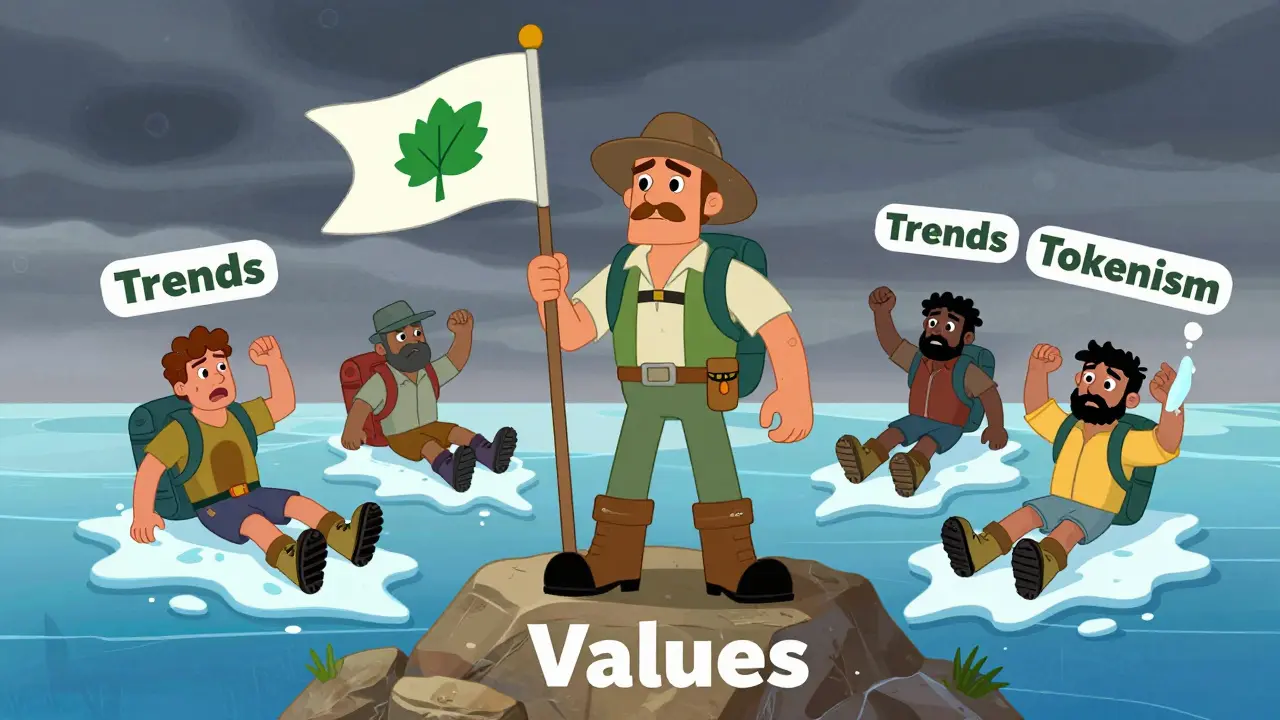
Not all brand changes are created equal. Some companies alter their logos or messages for short-term campaigns, hoping to tap into cultural moments. But if the change feels forced or temporary, it backfires. Reddit’s r/branding community analyzed 1,247 threads in 2024 and found that 78% of marketing professionals reported individual customer complaints increased by at least 32% when brands temporarily altered core identity elements.
One notable case involved a major bank changing its logo for Pride Month. Instead of earning praise, it generated 4.2x more negative individual responses from LGBTQ+ customers who felt "tokenized." They wanted authentic, year-round support-not a seasonal sticker. This highlights a critical point: consistency builds trust because it proves reliability over time. Short-term adaptations without long-term commitment signal insincerity.
For individuals seeking genuine connection, staying with a brand that demonstrates consistent behavior is far more rewarding than hopping between brands that chase trends. Authenticity cannot be faked, and consumers are remarkably good at spotting the difference.
Crisis Communication: Trust Through Stability
During crises, most brands panic. They shift messaging to match the somber tone of the news cycle. But sometimes, stability is the most powerful message you can send. During the 2020 pandemic, Coca-Cola maintained its "happiness" positioning instead of adopting darker themes. Sprout Social’s 2021 crisis communications analysis showed this approach generated 2.3x more positive individual social media mentions than comparable beverage brands.
Edelman surveyed 2,500 consumers in April 2020, and 68% stated that the consistency made them "feel more emotionally connected during difficult times." In healthcare, this principle holds true too. Patients facing illness need reassurance, not reminders of fear. A brand that remains steady provides a sense of normalcy and control.
If you are considering switching to a generic alternative during a period of personal stress, ask yourself: does the new option offer me stability, or does it add another variable to manage? Often, the old friend is safer than the new acquaintance.
Technical Specifications of Successful Brand Consistency
| Attribute | Standard Requirement | Impact on Individual Response |
|---|---|---|
| Color Variance | < 5% (Pantone) | Reduces cognitive friction |
| Typography | Identical across 100% touchpoints | Enhances readability and trust |
| Message Pillars | Unchanged for 7+ years | Builds neurological recognition |
| Customer Lifetime Value | +23% higher (Forrester 2024) | Indicates sustained loyalty |
These aren’t arbitrary rules. They are derived from data showing how humans process information. When every element-from font to color-remains constant, the brain stops analyzing and starts accepting. This acceptance translates into smoother individual experiences, fewer questions, and greater satisfaction.
Exceptions: When Adaptation Is Necessary
Consistency isn’t absolute. There are moments when adaptation is not just helpful-it’s required. McDonald’s learned this the hard way in India in 2023. By maintaining beef-related branding elements despite local religious practices, they generated 19,000 individual customer complaints in 72 hours, according to Sprinklr’s crisis analytics.
Cultural sensitivity must always override rigid consistency. However, this exception proves the rule: outside of cultural missteps, most adaptations dilute brand power. For individuals navigating complex markets, knowing when to stay put and when to move is crucial. Most of the time, staying put wins.
Long-Term Viability and Future Trends
Gartner’s 2025 Brand Resilience Forecast predicts that brands maintaining consistency through individual responses will outperform adaptive brands by 3.2x in customer lifetime value by 2030. AI-powered tools like Frontify’s "Brand Guardian," launched in 2024, now analyze 1.2 million individual interactions daily to flag deviations. Early adopters report 41% fewer complaints related to brand confusion.
As technology advances, the ability to monitor and maintain consistency improves. But the human desire for familiarity remains unchanged. Whether you are choosing a medication, a skincare routine, or a financial advisor, remember that consistency is not stagnation. It is a promise kept.
Is it ever better to switch to a generic brand?
Yes, if cost is the primary concern and the product is non-critical. However, for items involving health, safety, or strong emotional attachment, staying with the original brand often yields better individual outcomes due to reduced anxiety and higher trust levels.
How does brand consistency affect patient adherence?
Consistent branding reinforces routine. Studies show that familiar packaging helps patients recognize their medication quickly, reducing errors and increasing confidence in their treatment plan. Changing brands can disrupt this routine, leading to lower adherence rates.
What is "muscle memory branding"?
It refers to the automatic association users form with a brand after repeated exposure. Nike’s "Just Do It" campaign is a classic example, where 89% of athletes reported feeling motivated by consistent messaging, compared to only 42% for brands with frequent slogan changes.
Why do some brands fail when they adapt their messaging?
Adaptations often feel inauthentic if they don’t align with long-term values. Consumers detect tokenism easily. When brands change appearance for short-term gains without substantive backing, individuals respond negatively, feeling misled rather than engaged.
Can consistency hurt a brand in any scenario?
Yes, particularly in cases of cultural insensitivity or outdated practices. While consistency builds trust, rigidity can alienate communities if it ignores local norms or evolving social standards. Balance is key: stay consistent in core values, but adapt in execution where necessary.
Sarah Mifsud
May 4, 2026 AT 04:14omg this is so true!! i always stick to my usual meds because switching makes me feel weird and anxious. the packaging change thing is real, like if the box looks different i just dont trust it anymore. its crazy how our brains work that way but yeah consistency feels safe :)
Robert Cowley
May 6, 2026 AT 01:06Wow, what a groundbreaking revelation! The sky is green and birds are actually airplanes in disguise. I mean, really, who knew that seeing the same logo for seven years would trigger some sort of neurological reward pathway? Groundbreaking stuff indeed. /s
Rebekah Korak
May 7, 2026 AT 11:56You see, the fundamental issue here is not merely about marketing or consumer psychology, but rather the very essence of human existence and our desperate need for order in a chaotic universe. When we cling to these brands, we are essentially clinging to the illusion of control, a comforting lie that allows us to navigate the absurdity of life without losing our minds entirely. It is a profound statement on the fragility of the human psyche, isn't it? We are all just seeking anchors in the storm, and sometimes those anchors are made of cardboard and ink.
Srinivas Komakula
May 8, 2026 AT 20:47The data presented herein is clearly manipulated by corporate entities to maintain their hegemony over the consumer base; furthermore, the notion that 'neurological recognition' is a valid metric is suspect at best, as it ignores the broader socio-economic implications of brand loyalty which serve only to perpetuate the status quo.
Lando Neal
May 10, 2026 AT 07:58I never thought about it that way... but you know what, I guess it makes sense! If everything else is changing, having one thing stay the same must feel pretty good. Thanks for sharing this perspective!
Seema Karanje
May 12, 2026 AT 05:04STOP MAKING EXCUSES FOR YOURSELF! Just switch to the cheaper option and save money! Stop letting big corporations manipulate your brain with fancy colors and fonts! Wake up people!
Preety Singh
May 13, 2026 AT 11:15One must understand that true sophistication lies in recognizing the subtle artistry of consistent branding. It is not mere repetition but a deliberate aesthetic choice that speaks to the refined palate. Those who switch are simply lacking the cultural capital to appreciate such nuance.
bharat films
May 13, 2026 AT 21:23This article is spot on! 🎯 Brand consistency is key 🔑 Don't let them fool you with generic alternatives 🚫 Stay loyal! 💪 #BrandPower #ConsistencyIsKey
Halle Dagley
May 14, 2026 AT 04:28It is imperative that American consumers remain vigilant against foreign influences attempting to dilute our national identity through subversive rebranding efforts. Our domestic brands have served us well and should be protected at all costs from such insidious changes.
Christina Lancey
May 14, 2026 AT 22:49I think this is a lovely point. It's nice to have things that feel familiar when life gets stressful. I try to keep my routine simple for that reason.
Mark Koepsell
May 15, 2026 AT 15:06From a logistical standpoint, maintaining brand consistency reduces supply chain complexity and inventory errors. It's not just psychological; it's operational efficiency.
Elizabeth Holden
May 16, 2026 AT 14:25u guys r so naive. the big pharmas just want ur money. they change the packaging to make u buy more. wake up sheeple. its all a scam.
Jenny X
May 18, 2026 AT 02:17The deep state is using brand consistency to track our neural patterns through subtle visual cues embedded in the packaging design. It's a form of mass mind control via Pantone matching systems. You can't escape the algorithm of perception.
J. Walter Jenkem
May 19, 2026 AT 18:33Great discussion everyone. I find that sticking with what works helps reduce stress in other areas of life too. Let's support each other in making choices that bring peace of mind.