 Jun, 23 2026
Have you ever walked into a pharmacy only to find the counter empty of a critical medication? It is not just bad luck; it is often a predictable outcome of complex global systems failing to align. For years, the healthcare industry has reacted to drug shortages, which are periods where the supply of essential medications falls below demand, causing gaps in patient care. But what if we could see these crises coming before they happen? That is exactly what shortage predictions aim to achieve by using data analytics and strategic modeling to forecast future scarcity.
The landscape of pharmaceutical availability has shifted dramatically. We are no longer dealing with isolated incidents but systemic vulnerabilities that affect everything from life-saving antibiotics to common painkillers. By understanding how experts forecast these shortages, hospitals, pharmacies, and patients can prepare for disruptions rather than simply surviving them. This guide breaks down the mechanics of predicting scarcity, the key drivers behind it, and the practical steps stakeholders are taking to build resilience.
Why Traditional Supply Chains Fail to Predict Shortages
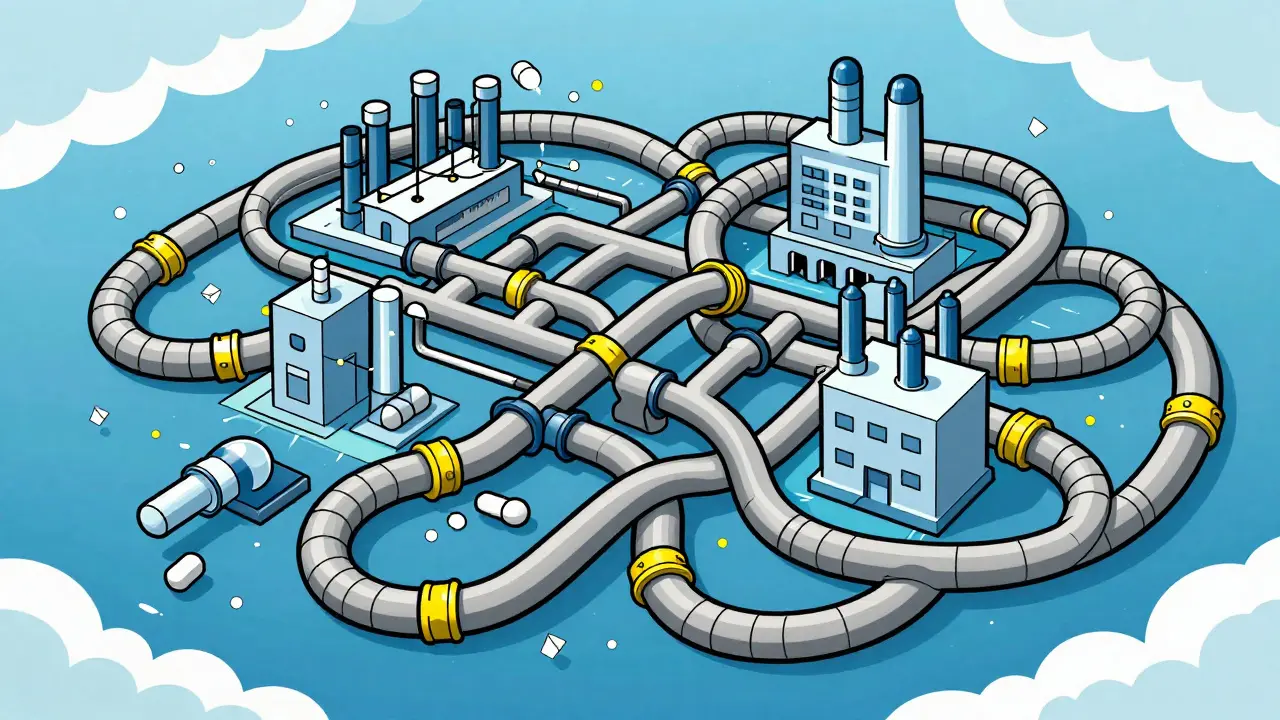
For decades, pharmaceutical manufacturing relied on a "just-in-time" model designed to minimize inventory costs. While efficient in stable times, this approach leaves zero margin for error when disruptions occur. The central entity here is the pharmaceutical supply chain, a global network involving raw material extraction, chemical synthesis, formulation, packaging, and distribution. When one link breaks, the entire chain stalls.
Consider the reliance on Active Pharmaceutical Ingredients (APIs). Most APIs are manufactured in a handful of countries, primarily India and China. If a factory in Hyderabad shuts down due to environmental regulations or power outages, hospitals in London or New York feel the impact weeks later. Traditional models failed because they treated each step as independent. Modern shortage prediction tools recognize that these steps are deeply interconnected. A delay in shipping containers from Asia does not just mean late delivery; it means missed production windows at formulation plants in Europe, leading to expired batches and subsequent stockouts.
The failure of traditional methods also stems from poor data visibility. Many manufacturers do not share real-time inventory levels with distributors. As a result, by the time a hospital realizes a drug is scarce, the ripple effect has already traveled through multiple tiers of the supply chain. Effective forecasting requires transparency that simply did not exist in legacy systems.
Key Drivers of Medication Scarcity
To predict shortages, analysts must first understand what causes them. The World Economic Forum and other global bodies have identified several macrotrends driving current scarcity patterns. These are not random events but structural shifts in the global economy.
- Geopolitical Fragmentation: Trade tensions and tariffs disrupt the flow of raw materials. When borders close or duties increase, the cost of importing APIs rises, making some drugs economically unviable to produce.
- Climate Change Impacts: Extreme weather events damage agricultural crops used for herbal medicines and disrupt logistics networks. Water scarcity affects the large volumes of purified water needed for sterile manufacturing.
- Labor Market Constraints: There is a growing shortage of skilled chemists and quality control specialists. The aging workforce in pharmaceutical manufacturing is retiring faster than new talent enters the field.
- Economic Uncertainty: Inflation drives up the cost of energy and transportation. Manufacturers may cut production of low-margin generic drugs if costs rise too high, leading to artificial scarcity.
These factors combine to create a volatile environment. For instance, a hurricane in the Gulf Coast might disrupt port operations, while simultaneously, a labor strike in Europe halts distribution. Predictive models must account for these overlapping risks to provide accurate forecasts.
How Experts Forecast Future Scarcity
Forecasting drug shortages is no longer guesswork. It involves sophisticated analytical techniques that integrate diverse data streams. Here is how modern predictive frameworks operate:
- Data Integration: Analysts synthesize data from over 17 distinct sources, including energy production metrics, climate models, demographic shifts, and geopolitical risk assessments. This holistic view allows them to spot correlations that single-source analysis misses.
- Demand-Supply Modeling: Advanced algorithms compare historical consumption patterns with projected population growth and disease prevalence. For example, an aging population increases demand for cardiovascular drugs, straining existing supply capacities.
- Scenario Planning: Instead of predicting a single outcome, experts develop multiple scenario pathways. They examine questions like: "What happens if oil prices spike by 20%?" or "How does a new trade agreement affect API imports?" This prepares organizations for various potential futures.
- Real-Time Monitoring: Digital platforms now track shipment locations, factory output rates, and inventory levels in near real-time. This immediacy allows for quicker responses to emerging bottlenecks.
The National Intelligence Council’s frameworks emphasize that regional differences in production will become more pronounced. Developing countries may face disproportionate impacts due to less resilient infrastructure. By mapping these vulnerabilities, forecasters can identify which regions and drug classes are most at risk.
The Role of Technology in Enhancing Visibility
Technology is the backbone of modern shortage prediction. Artificial Intelligence (AI) and machine learning algorithms analyze vast datasets to identify patterns invisible to human analysts. However, there is a catch: the AI talent shortage itself poses a challenge. Industry experts predict a deficit of skilled data scientists will persist through 2030, limiting the speed at which healthcare organizations can adopt these advanced tools.
Blockchain technology offers another solution by creating immutable records of every transaction in the supply chain. This ensures that all parties-from raw material suppliers to final retailers-have access to the same verified information. It reduces fraud and improves traceability, allowing faster identification of where a disruption originated.
Internet of Things (IoT) sensors monitor temperature and humidity during transport. If a shipment of vaccines deviates from safe conditions, alerts are triggered immediately. This prevents wasted resources and helps maintain stock integrity, reducing the need for emergency replacements that strain supply lines.
| Approach | Data Sources | Response Time | Accuracy Level |
|---|---|---|---|
| Traditional Reactive | Internal Inventory Logs | Weeks after onset | Low |
| Statistical Modeling | Historical Sales Data | Days before onset | Moderate |
| AI-Driven Predictive | Global Economic, Climate, Logistics Data | Months before onset | High |
Impact on Healthcare Providers and Patients
The consequences of inaccurate forecasting extend far beyond balance sheets. For healthcare providers, sudden shortages force difficult clinical decisions. Doctors may need to switch patients to alternative therapies that are less effective or have higher side-effect profiles. Hospitals incur significant administrative costs managing backorders and communicating delays to staff and patients.
Patient trust erodes when reliable access to medication is compromised. Chronic conditions require consistent treatment; interruptions can lead to worsening health outcomes and increased hospitalizations. According to recent surveys, half of employers expect economic slowdowns and rising costs to transform their business operations by 2030. In healthcare, this transformation means prioritizing resilience over efficiency.
Pharmacists play a crucial role in mitigating these impacts. They serve as the last line of defense, often sourcing alternatives from different wholesalers or compounding medications when commercial supplies run dry. Their expertise in therapeutic equivalence is vital for maintaining continuity of care during scarcity events.
Building Resilience Against Future Shortages
Predicting shortages is only half the battle. Organizations must act on these insights to build robust systems. Here are actionable strategies for enhancing resilience:
- Diversify Suppliers: Relying on a single source for any component is risky. Implement dual-sourcing strategies for critical APIs and packaging materials. Sixty-seven percent of multinational companies are already adopting this approach for critical materials.
- Increase Safety Stock: While counterintuitive to lean management principles, holding buffer inventory for high-risk drugs can prevent catastrophic stockouts. Calculate optimal stock levels based on predicted lead times and volatility indices.
- Invest in Local Manufacturing: Nearshoring production reduces dependency on long-distance logistics. Governments are increasingly incentivizing domestic manufacturing of essential medicines to secure national health security.
- Enhance Collaboration: Share data across the supply chain. Transparency between manufacturers, distributors, and healthcare providers enables coordinated responses to emerging threats.
- Adopt Scenario Planning: Regularly test your supply chain against hypothetical disruptions. Conduct drills to assess readiness and identify weak points before they fail under pressure.
These steps require investment but pay dividends in stability. The cost of prevention is invariably lower than the cost of crisis management. As global growth projections slow, with institutions like the World Bank forecasting deceleration, the ability to maintain steady medication supplies becomes a competitive advantage for healthcare systems.
The Future of Drug Availability
Looking ahead, the integration of predictive analytics into everyday healthcare operations will become standard. We will see a shift from reactive procurement to proactive resource allocation. Governments and regulatory bodies are likely to implement stricter reporting requirements for manufacturers to improve overall visibility.
The green transition also plays a role. Sustainable manufacturing practices reduce waste and improve efficiency, indirectly supporting supply stability. However, the transition period itself may cause temporary scarcities as industries adapt to new standards. Understanding these dynamics allows stakeholders to anticipate and mitigate transitional shocks.
Ultimately, forecasting future scarcity is about empowering decision-makers with knowledge. By embracing data-driven insights and collaborative strategies, the healthcare community can turn uncertainty into opportunity. The goal is not just to survive shortages but to eliminate them through foresight and preparation.
What is the primary cause of drug shortages?
Drug shortages are rarely caused by a single factor. They typically result from a combination of supply chain disruptions, such as manufacturing delays, raw material scarcity, logistical bottlenecks, and sudden spikes in demand. Geopolitical issues and climate events further exacerbate these underlying vulnerabilities.
How can pharmacists help manage medication shortages?
Pharmacists can manage shortages by identifying therapeutic alternatives, coordinating with multiple wholesalers to locate available stock, and communicating proactively with prescribers and patients. Their clinical expertise ensures that substitute medications are safe and effective for individual patient needs.
Why is data transparency important in pharmaceutical supply chains?
Data transparency allows all stakeholders to see real-time inventory levels and shipment statuses. This visibility enables early detection of potential bottlenecks, facilitating quicker adjustments and preventing minor delays from escalating into major shortages.
What role does AI play in forecasting drug shortages?
AI analyzes vast amounts of data from various sources, including economic indicators, weather patterns, and historical sales trends. It identifies complex correlations and predicts potential shortages months in advance, providing a significant advantage over traditional manual forecasting methods.
How can hospitals prepare for future medication scarcity?
Hospitals can prepare by diversifying their supplier base, increasing safety stock for critical medications, and developing contingency plans for alternative therapies. Regular scenario planning exercises help staff respond effectively when shortages occur.