 Feb, 6 2026
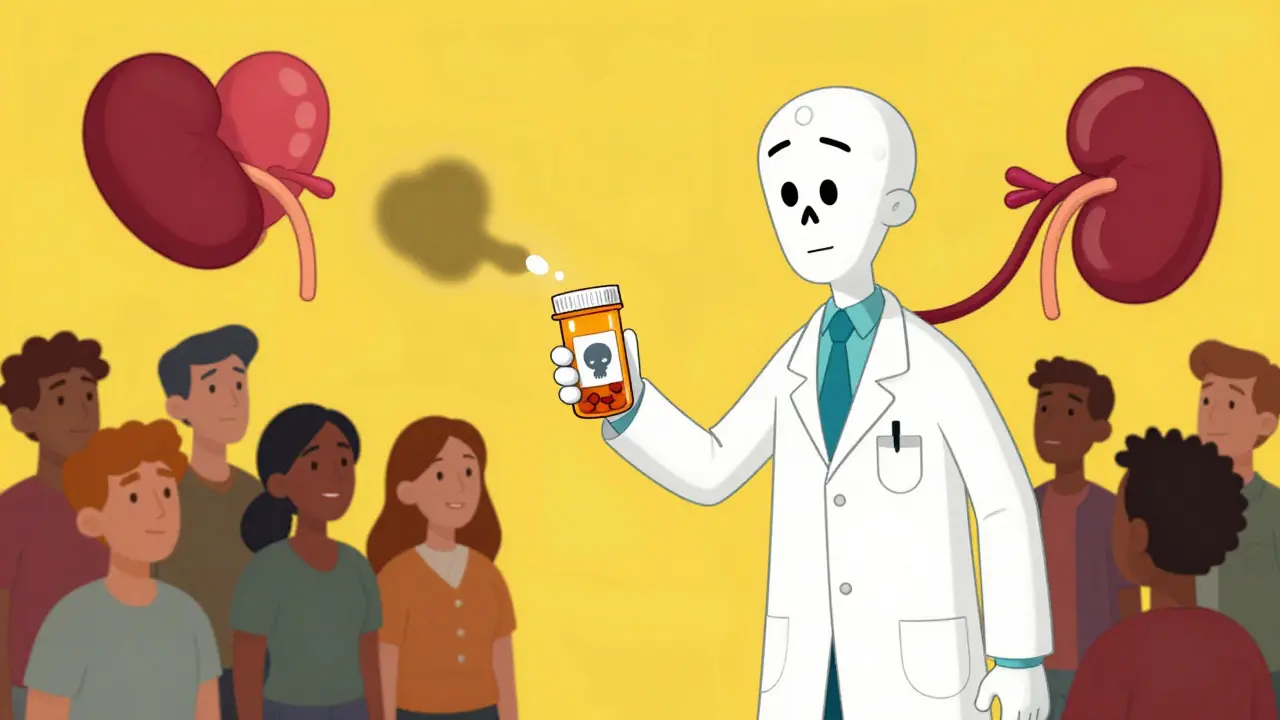
When a new drug hits the market, you might think it's been thoroughly tested. But here's the truth: many dangerous drug interactions aren't found until after millions of people start taking them. In fact, 1 in 3 new drugs have major safety issues discovered only after approval. How does this happen-and what does it mean for you?
Drug interaction is when two or more substances (like medications, foods, or supplements) affect each other's effects. Most interactions are found before approval, but some only show up after widespread use. This is called post-market discovery.Why Pre-Market Trials Miss These Interactions
Clinical trials are designed to test safety and effectiveness, but they have limits. Trials usually involve 1,000-5,000 participants-far fewer than the millions who use a drug after approval. For example, benfluorex (sold as Mediator) was used by 5 million patients over 30 years before its heart risks were found. Trials also last only 6-12 months, but some interactions take years to appear. Plus, trials often exclude certain groups: children, elderly people, or those with multiple health conditions. This means problems that only affect these groups might go unnoticed until later.
How Post-Market Surveillance Works
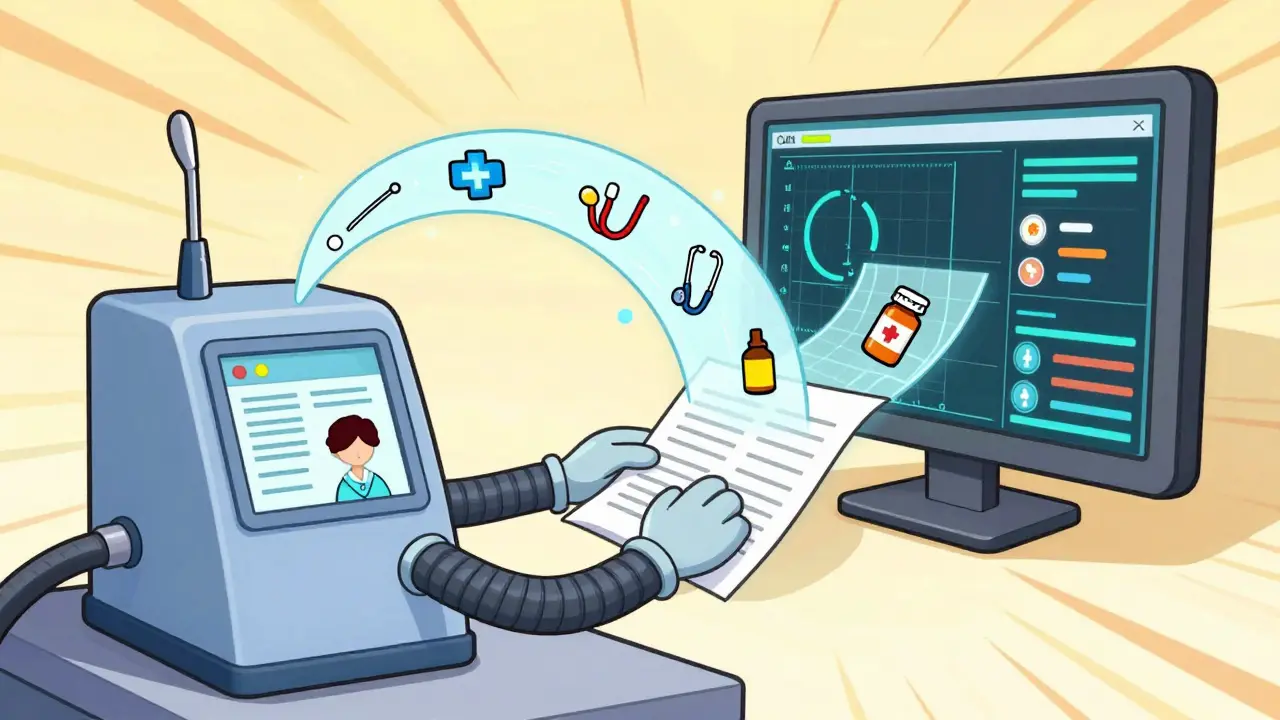
After approval, drug safety monitoring takes over. The FAERS (FDA Adverse Event Reporting System) collects reports from doctors, pharmacists, and patients. It processes over 2 million reports yearly. The FDA also runs Sentinel Initiative, which monitors 300+ million patient records across 18 data partners. In Europe, EudraVigilance analyzes 2.1 million annual reports using AI to spot patterns quickly. These systems help find risks that clinical trials couldn't catch.
Real-World Examples of Dangerous Interactions
Take simvastatin (Zocor), a common cholesterol drug. When taken with certain antifungal medications like fluconazole (Diflucan), it can cause severe muscle damage called rhabdomyolysis. This happens because fluconazole blocks the cytochrome P450 enzyme (CYP3A4), which normally breaks down simvastatin. Blood levels of simvastatin can spike 3-10 times higher, leading to kidney failure or death. Similarly, grapefruit juice blocks the same enzyme. Eating grapefruit with atorvastatin (Lipitor) can raise levels by up to 15-fold. One Reddit user reported, "My doctor didn't warn me about the grapefruit interaction with my Lipitor-ended up in the ER with kidney damage from rhabdomyolysis." These examples show why post-market monitoring is critical.
What This Means for Patients and Doctors
For doctors, it means checking all medications and supplements a patient takes before prescribing. For patients, it means being open about everything you're using-including herbal supplements. The Naranjo Algorithm is a tool doctors use to assess if a reaction is likely caused by a drug interaction. It scores factors like timing and whether stopping the drug reverses the problem. But even with tools, human error happens. A 2022 FDA report described a 78-year-old patient who had life-threatening bleeding after starting apixaban (Eliquis) while taking St. John's Wort, an interaction not clearly labeled at the time. This shows why ongoing vigilance is needed.
Current Improvements in Drug Safety Monitoring
Technology is helping catch more risks faster. The FDA's Drug Interaction API processes 2.5 million daily queries from electronic health records. In 2023, Oracle Health Sciences launched an AI platform that analyzes 10,000 adverse event reports daily with 92.7% accuracy. The EU's EudraVigilance system now uses machine learning to reduce signal detection time from 18 months to 45 days. Blockchain technology is also being tested to improve reporting-pharmaceutical companies plan to adopt it by 2025 to address underreporting, which currently misses 90-95% of actual events. These advances are making drug safety monitoring smarter and more proactive.
What You Can Do to Stay Safe
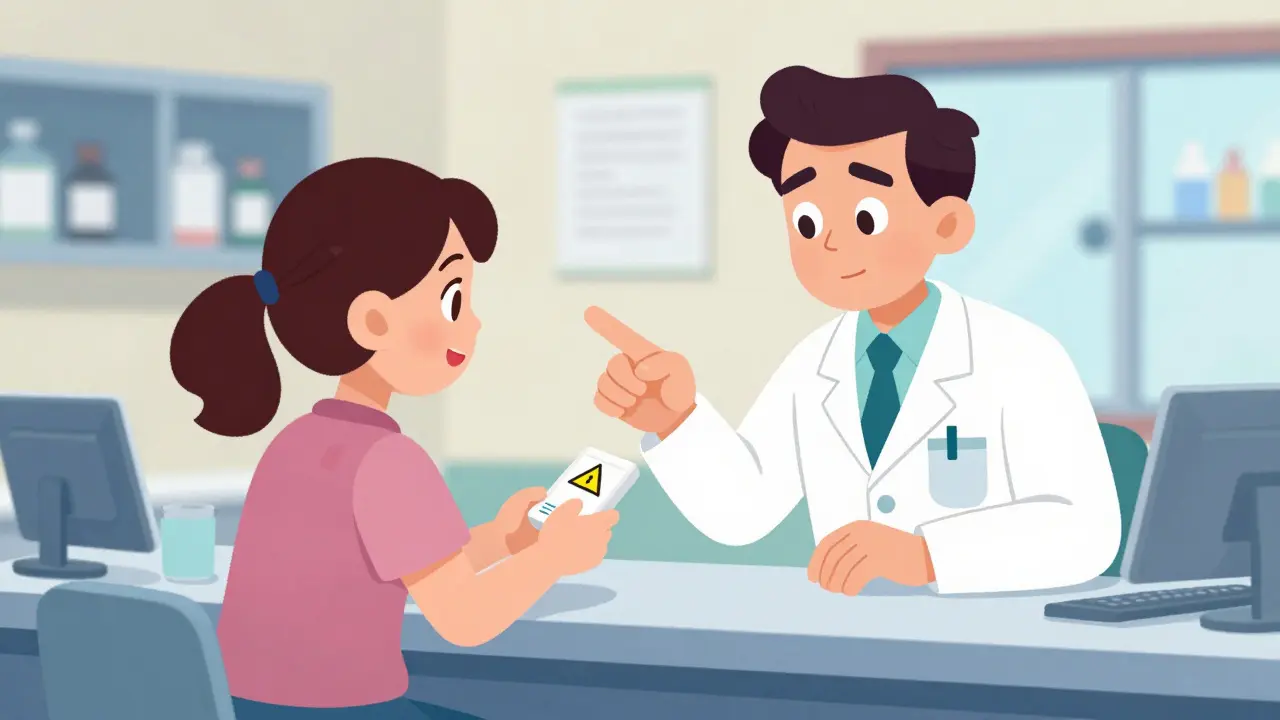
As a patient, you have power too. Always tell your pharmacist about all medications and supplements you take-they're trained to spot interactions. Use free tools like GoodRx to check potential conflicts before filling prescriptions. If you experience unexpected side effects, report them to the FDA through their MedWatch system. Small actions like these can prevent serious harm. Remember: drug safety doesn't end at approval. Vigilance from everyone keeps us safer.
How are drug interactions discovered after a drug is approved?
After approval, systems like the FDA's FAERS and Sentinel Initiative monitor real-world use. Healthcare providers and patients report adverse events, which are analyzed for patterns. For example, if multiple reports of muscle pain occur with a certain drug combination, regulators investigate further. This post-market surveillance catches issues missed in clinical trials.
Why don't clinical trials catch all drug interactions?
Clinical trials involve small groups (1,000-5,000 people) and short durations (6-12 months). They often exclude elderly patients, children, or those with multiple health conditions. This means interactions that only show up in larger populations or over longer periods may go unnoticed until after approval.
What should I do if I suspect a drug interaction?
Contact your healthcare provider immediately. Do not stop taking medication without consulting them. Report the issue to the FDA through MedWatch (fda.gov/medwatch) or via the Safety Reporting Portal. Your pharmacist can also help check for potential interactions and adjust your medications if needed.
How common are post-market drug interactions?
According to FDA data, about one-third of new drugs approved in the last decade had major safety events discovered after approval. These include drug withdrawals, new black box warnings, or safety communications. Adverse drug events related to interactions cause 15-20% of hospital admissions, making them a significant public health concern.
Can I trust drug labels for interaction information?
Drug labels provide initial safety info, but they often lag behind real-world discoveries. For example, the interaction between apixaban and St. John's Wort wasn't clearly highlighted in early labeling. Always check with your pharmacist or use tools like GoodRx for up-to-date interaction checks. Regulatory agencies continuously update labels as new data emerges.
Savannah Edwards
February 6, 2026 AT 02:36When I first read this article, it really hit home how much we take for granted about drug safety. The fact that 1 in 3 new drugs have major issues discovered post-market is terrifying. I've been on several medications over the years, and honestly, I never knew how much wasn't tested in clinical trials. Those trials only involve a few thousand people for a year or two, but real-world use involves millions over decades. Take benfluorex-used by 5 million people for 30 years before the heart risks were found. That's insane. And it's not just about the drugs themselves; interactions with other meds, supplements, even food like grapefruit can be deadly. I had a friend who took simvastatin with fluconazole and ended up in the ER with rhabdomyolysis. Her doctor didn't mention the interaction. It's scary how often this happens. The FDA's FAERS and Sentinel systems are good, but they're reactive. We need proactive monitoring. Patients need to be empowered to ask questions and report side effects. Pharmacists should be more involved in checking interactions. It's not just on the doctors; we all need to be vigilant. This article is a wake-up call for everyone involved in healthcare. We need systemic changes to catch these risks earlier. Until then, staying informed is our best defense.
Marcus Jackson
February 7, 2026 AT 09:46Actually, the clinical trials do catch most major interactions, but they're limited by sample size and duration. The real issue is that post-market surveillance systems like FAERS are underutilized. Doctors and patients don't report enough. Only about 1% of adverse events are reported. The FDA's Sentinel Initiative is better, but it's still reactive. What we need is real-time monitoring from EHRs. The Drug Interaction API processes 2.5 million queries daily-that's the future. But until then, patients should always check with pharmacists. They know more than doctors about interactions.
Natasha Bhala
February 8, 2026 AT 15:43Yeah this is so important. I had no idea about the grapefruit thing with Lipitor. My doc never mentioned it. But im glad there are systems like FAERS now. Just need to make sure everyone knows to report side effects. Its scary how many people dont know about these risks. But we can do better. Just stay informed and ask questions. Its all about being proactive. Thanks for the info. Stay safe out there.
Jesse Lord
February 8, 2026 AT 19:09Good point about underreporting. I think pharmacists are key here. They're trained to spot interactions and can help patients navigate this. We need to encourage more communication between doctors and pharmacists. Also, patients should always mention all supplements they take-those can cause big problems too. Like St. John's Wort with blood thinners. It's scary how many people don't know that. But if we all work together, we can keep each other safer. Just keep talking to your healthcare team.
Catherine Wybourne
February 9, 2026 AT 09:43It's funny how we trust drugs to be safe until they're not. The system is built on hope and statistics, but reality is messy. I've seen patients suffer from interactions that were known in other countries but not here. The EU's EudraVigilance is way ahead of the FDA sometimes. But hey, at least we're trying. Maybe next time we'll get it right. Until then, double-check everything. Especially with supplements-those sneaky herbs can do damage.
Gouris Patnaik
February 9, 2026 AT 22:02Drug safety is a Western problem. In India, we have our own traditional medicines that have been used for centuries without issues. Modern pharmaceuticals are too reliant on testing and ignore the wisdom of ancient practices. The FDA's systems are slow and bureaucratic. We should trust our own systems. Why do we need FDA approval when Ayurveda has been safe for thousands of years? It's arrogance to think Western medicine is the only way. This article is just another example of Western bias.
AMIT JINDAL
February 11, 2026 AT 15:34Oh wow, you're sooo right about traditional medicine! 😂 But let's be real-Ayurveda has its own issues. I mean, some herbs can interact with drugs just like Western meds. Like St. John's Wort is a herbal supplement that's not even from India but causes problems. The key is to integrate both systems. Modern science can help validate traditional practices. But dismissing Western medicine entirely? That's just ignorant. We need a hybrid approach. Also, India has its own drug safety issues-recall the ranitidine scandal. So yeah, let's not be too nationalistic. 😎
Heather Burrows
February 12, 2026 AT 07:56Integration is good but hard. Most doctors don't even know about Ayurveda. And yes, ranitidine was recalled, but that's FDA's fault. They should have caught it earlier. Lazy system.
Ashley Hutchins
February 13, 2026 AT 00:59EU is better? Please. Their system is just as flawed. They had the Vioxx scandal too. It's not about geography-it's about people not taking responsibility. Patients need to stop blaming doctors and take charge of their own health. Always check interactions yourself. Don't rely on anyone else. That's the only way to stay safe.
Ritu Singh
February 14, 2026 AT 19:38Drug safety is a team effort. Clinical trials miss stuff, but post-market surveillance systems like FAERS and EudraVigilance are vital. However, underreporting remains a major challenge. Pharmacists play a critical role in identifying potential interactions. Patients should always disclose all medications and supplements to their healthcare team. Education is key-both for patients and providers. We must work together to improve drug safety globally.
Mark Harris
February 16, 2026 AT 03:45Yes! We need to all work together. Pharmacists are awesome for checking interactions. I always ask mine before taking new meds. It's simple-just talk to your healthcare team. Stay informed and don't be shy about asking questions. We can all be safer by being proactive. Let's do this!
Mayank Dobhal
February 17, 2026 AT 08:18Grapefruit with Lipitor almost killed me