 Apr, 12 2026
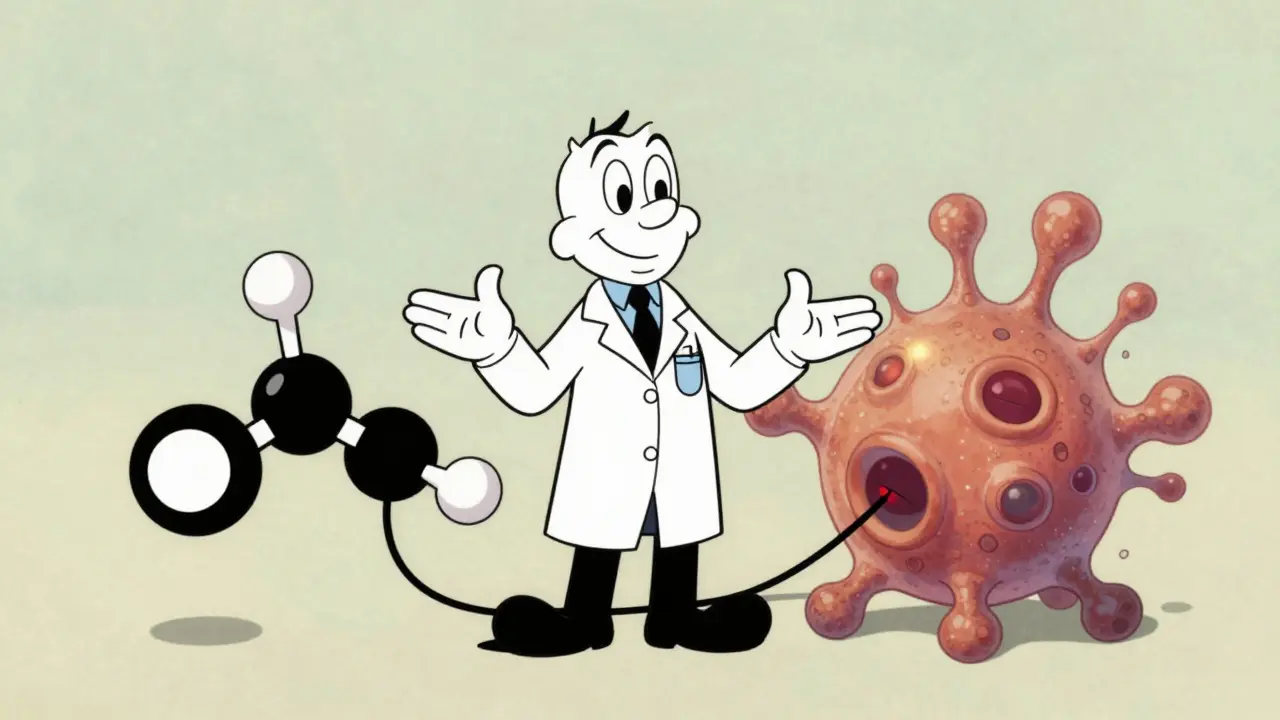
To understand the pharmacist's role, we first have to clear up a common misconception: biosimilars are not generics. While a generic drug is a chemical carbon copy of the original, a Biosimilar is a biologic product that is highly similar to an FDA-approved reference product, with no clinically meaningful differences in safety, purity, and potency . Because they are made from living organisms, they have tiny structural differences. It is like comparing two handmade sweaters; they look and function exactly the same, but the knit patterns aren't identical under a microscope. This nuance is the foundation of every conversation a pharmacist has with a patient or a doctor.
The Mechanics of Substitution: Autonomous vs. Interchangeable
Substitution isn't a one-size-fits-all process. Depending on the regulatory status of the drug and the local laws, pharmacists navigate two primary paths. First, there is autonomous substitution, where the pharmacist independently swaps one product for another without needing to call the doctor every single time. This is a powerful tool for reducing the administrative burden on clinics.
Then there is the specific category of Interchangeable Biosimilars is a special designation by the FDA indicating that the product meets additional standards, allowing it to be substituted for the reference product without the intervention of the prescribing healthcare provider . It is important to note that not all biosimilars are interchangeable. As of late 2023, only a small number have received this specific label. If a drug is not designated as interchangeable, the pharmacist typically needs a new prescription or explicit approval from the physician to make the switch.
| Feature | Generic Drugs | Biosimilars |
|---|---|---|
| Composition | Small molecule, chemically synthesized | Large molecule, grown in living cells |
| Structure | Identical to reference | Highly similar (minor differences) |
| Approval Path | Abbreviated (ANDA) | Abbreviated (BPCIA pathway) |
| Substitution Rate | Very high (~97% when available) | Lower, evolving via state laws |
Counseling Patients Through the "Switch"
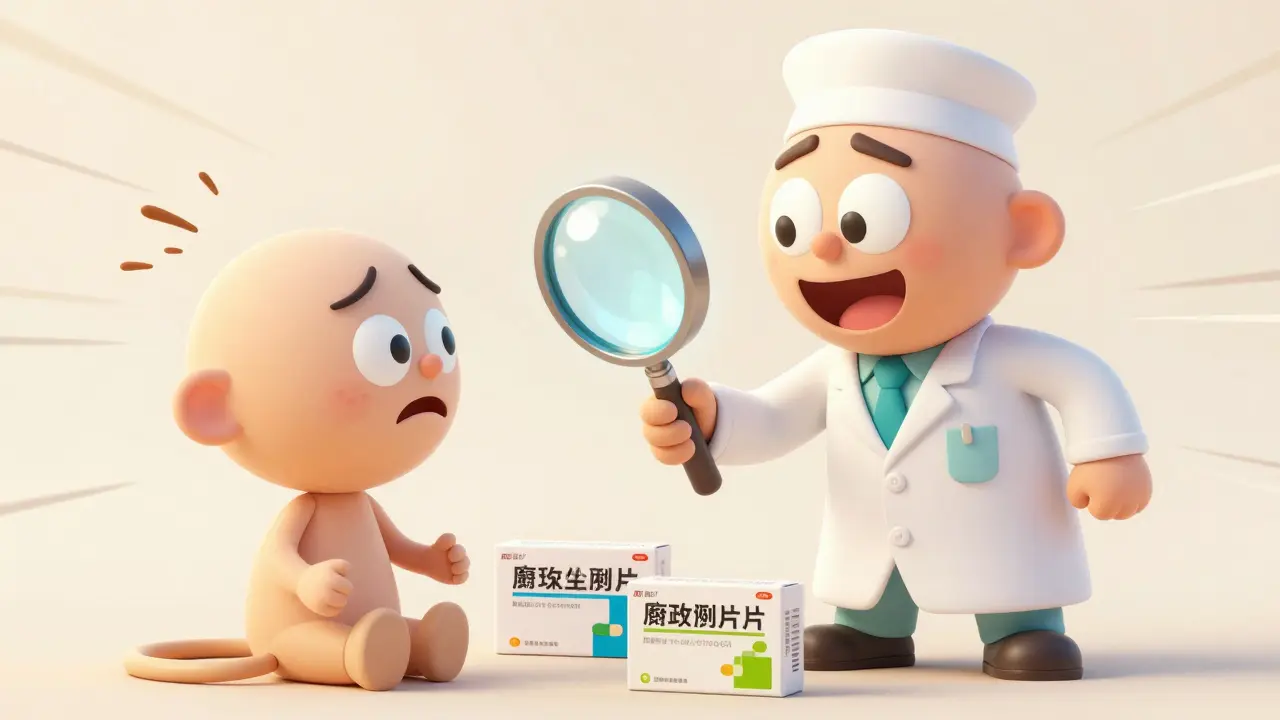
When a patient sees a different box, a different color, or a different name on their medication, anxiety kicks in. Research shows that changes in medication appearance can make patients up to 21% more likely to stop their treatment. This is why the counseling phase is the most critical part of the pharmacist's job. You aren't just dispensing a drug; you are managing a psychological transition.
The most effective approach is based on science-backed transparency. Instead of saying "it's the same thing," explain why it works. Tell the patient that the FDA requires these products to have the same clinical effect. When pharmacists take the time to explain the regulatory rigor-that the biosimilar must prove it is just as safe and effective as the original-patient comfort levels rise significantly. Framing the conversation around "proven equivalence" rather than "cheaper alternative" changes the patient's perception from a loss of quality to a gain in accessibility.
Bridging the Gap with Prescribers
Physicians are often hesitant to switch patients to biosimilars, not because they doubt the science, but because they fear the paperwork and the potential for patient complaints. This is where the Clinical Pharmacist is a specialist who provides holistic expertise on the clinical profile, logistics, and supply chain of biologic products to support prescribing decisions becomes an invaluable asset. By taking over the "back-end" substitution process, pharmacists allow doctors to focus on front-end patient care.
Real-world data from the US Oncology Network shows a stark contrast in adoption rates. For example, with pegfilgrastim (a biosimilar to Neulasta), adoption barely budged when it relied solely on physicians to initiate the switch. However, once a pharmacy-driven process was implemented-where pharmacists handled the conversion based on pre-approved protocols-the uptake skyrocketed. When the pharmacist manages the transition, the friction is removed from the clinical workflow.
Ensuring Safety through Pharmacovigilance
Because biologics are complex, tracking them is non-negotiable. This is where Pharmacovigilance is the practice of monitoring the effects of medical drugs after they have been licensed for use, especially to identify and evaluate previously unreported adverse reactions comes into play. Unlike a generic aspirin, where the batch number is less critical for a general swap, biosimilars require strict traceability.
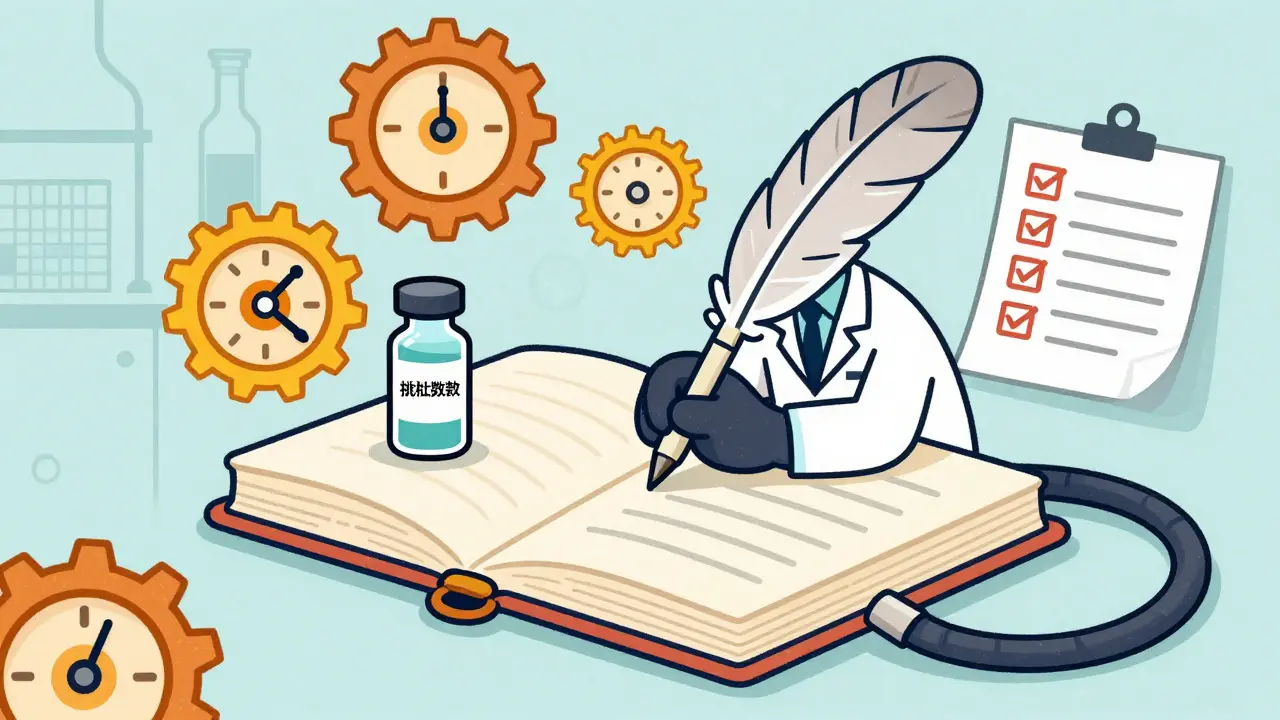
Pharmacists must ensure that the specific product and batch number are meticulously recorded in the patient's medical history. If a patient has an adverse reaction, the clinical team needs to know exactly which biosimilar version they were on. This level of detail prevents a "guessing game" during medical emergencies and provides the data necessary to prove that repeated switching between a reference product and a biosimilar doesn't increase risk.
Overcoming Practical Barriers to Adoption
Even with the science on their side, pharmacists face systemic hurdles. One of the biggest is the confusion surrounding billing and reimbursement. Many pharmacists have expressed a need for more education on how these drugs are billed, as complex rebate structures can sometimes make the originator product seem more "affordable" to the pharmacy even when the biosimilar is cheaper for the healthcare system.
Another challenge is the "Dispense as Written" (DAW) hurdle. Some physicians, feeling a loss of control or fearing patient instability, may insist on the original brand. The solution here is a collaborative agreement. Establishing a standard operating procedure (SOP) where providers sign off on automatic substitution policies avoids the daily interruption of phone calls and approvals, creating a smoother experience for everyone involved.
What is the main difference between a generic and a biosimilar?
Generics are chemically identical copies of small-molecule drugs. Biosimilars are highly similar versions of large-molecule biologic drugs made from living cells. Because they are grown, they aren't identical in structure, but they have no clinically meaningful differences in safety or potency.
Can a pharmacist automatically switch a patient to a biosimilar?
It depends on the drug's status and state law. If the FDA has designated the biosimilar as "interchangeable," some state laws allow the pharmacist to substitute it without the prescriber's intervention. If it is not designated as interchangeable, the pharmacist generally needs the prescriber's approval.
Why do some patients resist switching to biosimilars?
Patients often fear that a "similar" drug is inferior or less safe. Additionally, changes in the medication's appearance (size, shape, or color) can cause anxiety, which research suggests can lead to a 21% increase in the likelihood of patients stopping their medication.
How does the pharmacist's role improve the healthcare system?
Biologics account for only 2% of prescriptions but nearly 50% of drug spending in the US. By facilitating the adoption of biosimilars, pharmacists help reduce these massive costs while decreasing the administrative burden on physicians.
What is a "batch number" and why does it matter in biosimilar dispensing?
A batch number is a unique identifier for a specific production run of a drug. In biosimilar dispensing, recording this number is essential for pharmacovigilance, allowing healthcare providers to track adverse reactions back to a specific lot of the medication.
Next Steps for Implementation
For pharmacy teams looking to improve biosimilar uptake, start by auditing your current substitution laws. Knowing exactly which products in your inventory are designated as interchangeable will prevent legal headaches and prescriber friction. Next, create a simple "Biosimilar Fact Sheet" for patients that uses clear, non-medical language to explain the FDA approval process.
If you are working within a clinic, propose a standardized acknowledgment form for providers. When physicians agree upfront to the pharmacy's substitution policy, you eliminate the need for constant phone calls and prior authorization loops. Finally, ensure your electronic health record (EHR) system has a dedicated field for batch numbers to keep your pharmacovigilance standards high.
Randy Ryder
April 13, 2026 AT 00:47The BPCIA pathway is fundamentally different from the ANDA process due to the inherent heterogeneity of biologic macromolecules
it's vital to consider how glycosylation patterns might influence the immunogenicity profile even when the primary sequence remains identical
Scott Lofquist
April 14, 2026 AT 20:09Typical FDA nonsense 🙄 claiming there are no clinically meaningful differences while the pharma giants just want to shave a few pennies off production costs. It is a moral failure to push these "similar" drugs on vulnerable patients just to satisfy a corporate balance sheet 🤡
Jasmin Stowers
April 16, 2026 AT 09:11totally agree on the transparency part. keeping patients in the loop helps so much
Clint Humphreys
April 17, 2026 AT 20:11It is funny how they talk about safety and pharmacovigilance like it's for the patients but we all know it is just a way for the government to track every single injection we get in our bodies so they can map out our biological responses for their database and honestly who knows what they are actually adding to these living cells in those labs because the regulation is just a facade for the military-industrial complex to test new delivery systems on us while we just think we are getting a cheaper version of our meds
Kenzie Evans
April 19, 2026 AT 13:30Imagine thinking a basic fact sheet is going to solve a systemic failure in medical communication
this whole approach is lazy and honestly a joke
Catherine Mailum
April 21, 2026 AT 10:02oh wow a 21 percent increase in stopping treatment because the box changed color... truly a medical emergency in the making lol
Ikram Khan
April 23, 2026 AT 00:12THIS IS HUGE!! 😱 I had no idea that pharmacists could actually move the needle that much on adoption rates!! Just imagine the amount of stress we can save those doctors from!! ✨
Shaylia Helland
April 24, 2026 AT 20:46it really is a psychological journey for the patient and i think we often forget that some people have had these medications for years and the brand becomes a sort of security blanket for them so when the pharmacist just hands over a different colored pen it can feel like the ground is shifting under their feet and that is why the empathy part of the job is just as important as the chemical knowledge
Sam Dyer
April 26, 2026 AT 00:35Our American drug system is a total circus 🎪 but at least we're the ones inventing the tech that the rest of the world copies anyway
Olivia Lo
April 26, 2026 AT 21:05The ontological distinction between a generic and a biosimilar requires a nuanced understanding of protein folding and tertiary structures
we must maintain a dialectical balance between cost-reduction and the therapeutic integrity of the molecule to avoid any systemic destabilization of patient trust
john chiong
April 27, 2026 AT 14:22corporate greed is a cancer and these biosimilars are just another way to play shell games with our health
Haley Moore
April 28, 2026 AT 09:39Ugh the billing part is literally the worst 🙄 like why is it so hard for these companies to just make it simple?? My brain hurts just thinking about rebate structures lol 💅
Anurag Moitra
April 28, 2026 AT 12:07The focus on batch traceability is an excellent point for ensuring long term safety protocols are maintained across the supply chain
melissa mac
April 30, 2026 AT 09:58I think it's wonderful that pharmacists are stepping up to bridge this gap. By focusing on education and support, we can make these life-saving treatments more accessible to everyone without compromising on quality or safety. It's all about creating a supportive environment for the patient to feel comfortable with the change.