 Aug, 6 2026
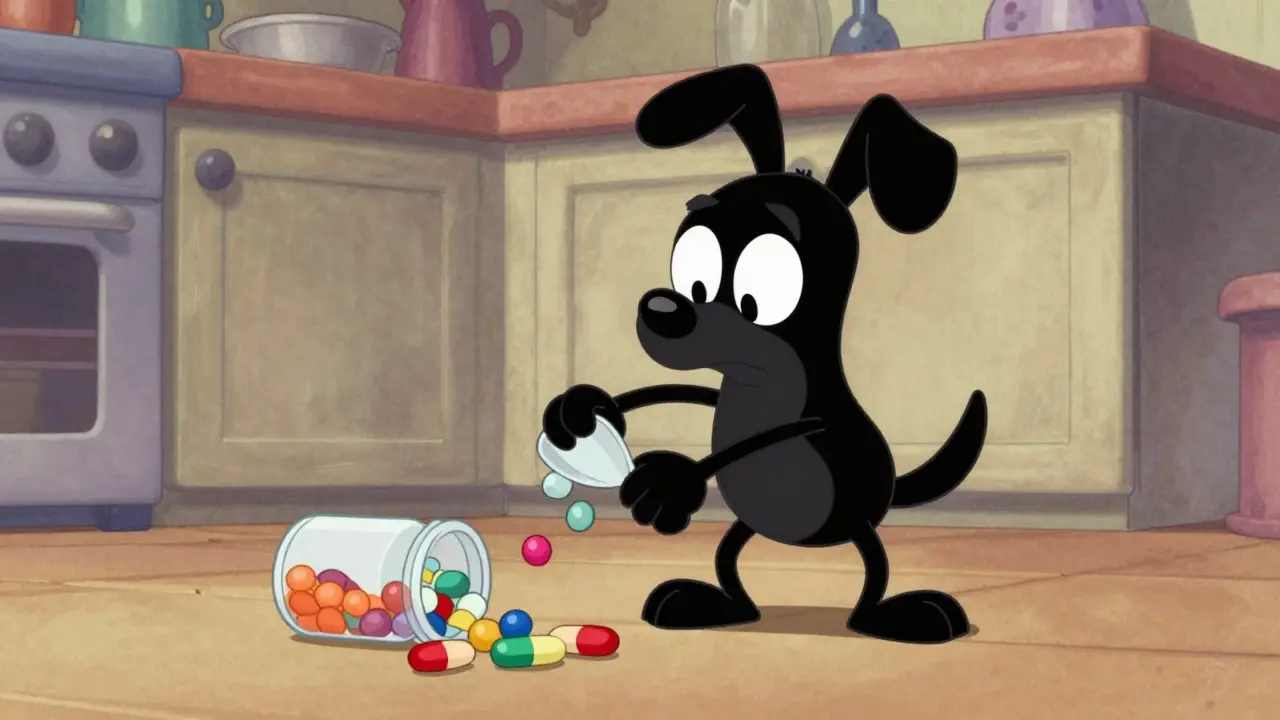
Your dog just knocked over your morning pills. Your cat is batting at a bottle on the counter. In that split second, panic sets in. But here is the hard truth: not all medications are created equal when it comes to our furry friends. Some common household drugs can turn lethal within minutes, while others cause slow, silent organ damage that isn't obvious until it's too late.
Human medications account for nearly 28% of all pet poisonings reported to animal poison control centers. With over 150,000 cases documented annually in the United States alone, this isn't a rare edge case-it's a daily emergency for veterinarians across the country. The good news? Time is your best friend. Studies show that 93% of successful outcomes happen when treatment begins within two hours of ingestion. Knowing exactly what to look for could save your pet’s life.
The Critical First Five Minutes: What to Check Immediately
When you suspect an overdose, every second counts. You don't need to be a vet to perform a basic triage. The Pet Poison Helpline recommends a rapid five-minute assessment to gauge severity before you even pick up the phone to call for help.
- Check the Scene: Look for pill fragments, chewed packaging, or spilled powder. This is present in 63% of witnessed cases and helps confirm what was ingested.
- Measure Temperature: Use a rectal thermometer if possible. A temperature above 103.5°F (39.7°C) often indicates stimulant or SSRI toxicity. Normal pet temperature ranges from 101°F to 102.5°F.
- Assess Pupils: Shine a light near their eyes. Dilated pupils that don't react to light are a major red flag for ADD/ADHD medications like Adderall or Ritalin.
- Inspect Mucous Membranes: Lift their lip and check the gums. They should be pink. Brown-tinged or blueish gums indicate acetaminophen (Tylenol) toxicity, especially in cats.
- Note the Timeline: Write down exactly when you think they ate the meds. This window determines which symptoms to expect next.
Don't wait for symptoms to appear if you know ingestion occurred. Call your vet or poison control immediately. If you're unsure, treat it as an emergency. Better safe than sorry is the golden rule here.
NSAIDs: The Silent Gut Destroyers
Nonsteroidal anti-inflammatory drugs (NSAIDs) like ibuprofen (Advil, Motrin) and naproxen (Aleve) are the number one cause of pet medication poisoning, accounting for 28.3% of cases. We take them for headaches and back pain, but for pets, they are gut-wrecking toxins.
Dogs can tolerate small amounts-up to 5-10mg per kilogram daily-but toxicity spikes dramatically at doses above 50mg/kg. Cats are far more sensitive, showing signs of trouble at just 5mg/kg. Why? Cats lack specific liver enzymes needed to process these drugs safely.
Symptoms usually hit within 1 to 6 hours. You’ll likely see vomiting first-it happens in 92% of cases. If you miss this early sign, look for melena: black, tarry stools that smell distinctively foul. This indicates bleeding in the upper gastrointestinal tract. Within 24 to 72 hours, acute kidney injury can set in. Blood urea nitrogen (BUN) levels can skyrocket past 120 mg/dL, compared to a normal range of 10-25 mg/dL. By then, the damage is severe. Early recognition means activated charcoal can be administered to stop absorption, drastically improving survival rates.
Acetaminophen: The Species-Specific Killer
Acetaminophen (Tylenol) is tricky because it affects dogs and cats very differently. For dogs, it’s primarily a liver toxin. Liver necrosis develops within 24 to 72 hours after ingesting doses above 150mg/kg. You might notice lethargy, loss of appetite, and yellowing of the skin or eyes (jaundice).
For cats, however, acetaminophen is almost always fatal without immediate intervention. Cats lack the enzyme glucuronyl transferase, which is crucial for breaking down this drug. As little as 10mg/kg can trigger methemoglobinemia-a condition where the blood loses its ability to carry oxygen. Symptoms appear rapidly, within 1 to 4 hours. Look for brown-tinged mucous membranes, cyanosis (blue skin), and difficulty breathing. If methemoglobin levels exceed 50%, the survival rate drops to just 12%. This is why Tylenol is considered one of the most dangerous household items for feline owners.

Antidepressants: Serotonin Syndrome and Beyond
Antidepressants are the second leading cause of pet medication poisoning. They fall into two main categories with distinct symptom profiles: SSRIs and SNRIs.
Selective serotonin reuptake inhibitors (SSRIs) like Prozac (fluoxetine) and Lexapro (escitalopram) can cause serotonin syndrome. Symptoms include fever (ranging from 103°F to 106°F), excessive vocalization, disorientation, and tremors. Without treatment, 78% of these cases progress to seizures. Toxic doses start at 10-20mg/kg, which is surprisingly close to therapeutic ranges for some conditions, making accidental overdose easier than you’d think.
Serotonin-norepinephrine reuptake inhibitors (SNRIs) like Effexor (venlafaxine) are particularly nasty for cats. Just one 37.5mg extended-release capsule can be life-threatening. Cats are attracted to the sweet coating on many pills, and 63% of feline cases involve them consuming entire bottles. Symptoms mirror serotonin syndrome but often hit harder and faster due to the norepinephrine component.
ADD/ADHD Medications: The Rapid-Onset Stimulants
If there’s one class of drugs that demands immediate action, it’s stimulants like Adderall (amphetamine salts) and Concerta (methylphenidate). These drugs act fast. Symptoms can begin within 15 to 30 minutes of ingestion.
You’ll see extreme agitation. Heart rates can soar past 220 beats per minute (normal for dogs is 60-140 bpm). Body temperatures may reach dangerous highs of 107°F. Severe tremors are common, occurring in 83% of cases. Owners often mistake this for shivering or anxiety, but the combination of hyperthermia, tachycardia, and dilated pupils is a classic triad for stimulant toxicity. At doses exceeding 0.5mg/kg, the risk of cardiac arrest increases significantly. There is no time to wait and see with these drugs.
Benzodiazepines: The Paradoxical Reaction
We expect benzodiazepines like Xanax (alprazolam) and Ambien (zolpidem) to sedate. But in pets, especially dogs, they often do the opposite. In 52% of canine cases, these drugs cause paradoxical agitation rather than sleepiness. Your dog might become frantic, aggressive, or disoriented.
Cats face a different threat. Benzodiazepines can lead to hepatic failure in 37% of cases. Liver enzyme ALT levels can exceed 1,200 U/L, far above the normal range of 10-100 U/L. If your cat seems unusually wobbly, drooling, or unresponsive after exposure to these meds, assume liver stress until proven otherwise.
| Medication Class | Common Examples | Primary Risk Group | Key Symptoms | Onset Time |
|---|---|---|---|---|
| NSAIDs | Ibuprofen, Naproxen | Cats > Dogs | Vomiting, black stools, kidney failure | 1-6 hours |
| Acetaminophen | Tylenol | Cats (Fatal) | Brown gums, breathing issues, liver damage | 1-4 hours |
| SSRIs/SNRIs | Prozac, Effexor | Dogs & Cats | Fever, tremors, seizures, vocalization | Minutes to 12 hours |
| Stimulants | Adderall, Ritalin | Dogs & Cats | Rapid heart rate, high temp, dilated pupils | 15-30 minutes |
| Benzodiazepines | Xanax, Ambien | Dogs (Agitation), Cats (Liver) | Paradoxical agitation, wobbly gait | 30-60 minutes |
Why Recognition Fails: Common Mistakes Owners Make
It’s easy to misinterpret early signs. A 2023 survey of over 1,200 pet owners found that 68% initially misread symptoms. Agitation from serotonin syndrome was mistaken for "excitement" in 42% of cases. Tremors from ADHD meds were dismissed as "shivering" in 37% of instances.
Another major hurdle is symptom overlap. Tremors occur in antidepressant, stimulant, and seizure disorders. Vomiting is a generic sign of everything from dietary indiscretion to cancer. The key is looking for clusters. A single symptom might be ambiguous, but a combination-like fever plus tremors plus dilated pupils-points strongly to specific toxicities.
Extended-release formulations add another layer of complexity. Drugs like Effexor XR release medication slowly over days. This means symptoms might seem mild at first but worsen gradually, delaying treatment. Dr. Tina Wismer from the ASPCA Animal Poison Control Center notes that these formulations have doubled the duration of toxic effects, complicating recovery protocols.
Immediate Action Plan: Who to Call and What to Do
If you suspect an overdose, follow this sequence:
- Call Poison Control: The Pet Poison Helpline (1-800-213-6680) and ASPCA Animal Poison Control (888-426-4435) are available 24/7. Note that consultation fees apply, but they provide expert guidance on whether to induce vomiting or rush to the ER.
- Contact Your Vet: Have the medication bottle ready. Tell them the brand, dosage, and estimated amount ingested.
- Do Not Induce Vomiting Unless Told: Some substances, like corrosives or certain chemicals, can cause more damage coming back up. Only induce vomiting under professional instruction.
- Bring Evidence: Take the pill bottle, any remaining pills, and vomit samples (if possible) to the clinic. This helps vets identify the exact compound.
Prevention is still the best medicine. Store all medications in locked cabinets or high shelves out of reach. Consider using bitterant sprays on bottles, though their effectiveness varies. And remember, never give your pet human medication without explicit veterinary approval. What works for you can be deadly for them.
What are the first signs of medication overdose in dogs?
Early signs vary by drug but commonly include vomiting, lethargy, tremors, or unusual behavior like agitation or confusion. For stimulants, look for rapid heart rate and dilated pupils. For NSAIDs, watch for vomiting and black, tarry stools. Always seek immediate veterinary advice if ingestion is suspected.
Is Tylenol safe for cats?
No, Tylenol (acetaminophen) is extremely toxic to cats. Even small doses can cause fatal liver damage or methemoglobinemia, which prevents blood from carrying oxygen. Symptoms include brown gums, breathing difficulties, and facial swelling. Seek emergency care immediately if a cat ingests any amount.
How long does it take for symptoms to appear after a pet eats human medication?
Symptom onset depends on the drug. Stimulants like Adderall can cause effects within 15-30 minutes. Antidepressants may take minutes to 12 hours. NSAIDs and acetaminophen often show symptoms within 1-6 hours, though organ damage can develop silently over 24-72 hours. Immediate action is recommended regardless of visible symptoms.
Can I induce vomiting at home if my dog eats a pill?
Only if instructed by a veterinarian or poison control expert. Inducing vomiting incorrectly can lead to aspiration pneumonia or further esophageal damage, especially with corrosive substances. Hydrogen peroxide is sometimes used, but the dose and timing must be precise. Never attempt this without professional guidance.
Which human medications are most dangerous to pets?
The most dangerous classes include NSAIDs (ibuprofen, naproxen), acetaminophen (especially for cats), antidepressants (SSRIs/SNRIs), and stimulants (Adderall, Ritalin). Benzodiazepines also pose risks due to paradoxical reactions in dogs and liver toxicity in cats. Always store these medications securely away from pets.