 Jun, 2 2026

Imagine this: you take your morning pill, but it’s the wrong dose. Or worse, you forget to tell your doctor about that herbal supplement you started last week, and it clashes dangerously with your prescription. It sounds like a scene from a medical drama, but for millions of people, this is a daily risk. Medication safety is the practice of preventing harm from the use of medications through systematic planning and communication between patients and providers. According to data from the American College of Clinical Pharmacy (ACCP), one in five patients receiving home care experiences an Adverse Drug Event (ADE).
The scary part? Most of these events are preventable. Studies show that deficiencies in prescribing and monitoring contribute to 50-60% of ADEs, while patient actions or communication failures account for another 20%. Errors in dispensing at the pharmacy only make up about 2%. This means the biggest lever for change isn’t just better hospital protocols-it’s how you manage your meds at home alongside your care team. Building a personal medication safety plan isn’t just paperwork; it’s a survival strategy.
Why You Need a Personal Medication Safety Plan
You might think, "I’m not that sick, why do I need a formal plan?" The truth is, complexity kills. If you take more than three medications, your risk of interactions skyrockets. This is especially true for older adults, people with cognitive challenges, or those managing multiple chronic conditions like diabetes and hypertension.
The Alzheimer's Association notes that as cognitive function declines, structured medication management becomes critical. But even for healthy individuals, the sheer volume of information-dosages, timing, food restrictions-can overwhelm memory. A personal medication safety plan acts as an external brain. It creates a single source of truth that everyone involved in your health can reference, reducing the chance of costly, painful mistakes.
Step 1: Create a Master Medication Inventory
Before you can build a safety net, you need to know exactly what you’re working with. Step one is creating a comprehensive list. This isn’t just your prescription bottles. It includes:
- Prescription drugs: Name, dosage, frequency, and prescribing doctor.
- Over-the-counter (OTC) meds: Pain relievers, antacids, sleep aids.
- Supplements: Vitamins, minerals, herbal remedies (like St. John’s Wort or Ginseng).
- Topical treatments: Creams, patches, eye drops.
A common failure point here is omitting supplements. Many patients don’t consider them "real" medicine, but they interact with prescriptions just as powerfully. For example, Vitamin K can interfere with blood thinners like Warfarin. Keep this list updated at least once a year, or immediately when a new med is added. Carry a copy in your wallet or purse. In an emergency, paramedics won’t have time to dig through your bathroom cabinet.
Step 2: Verify and Check for Interactions
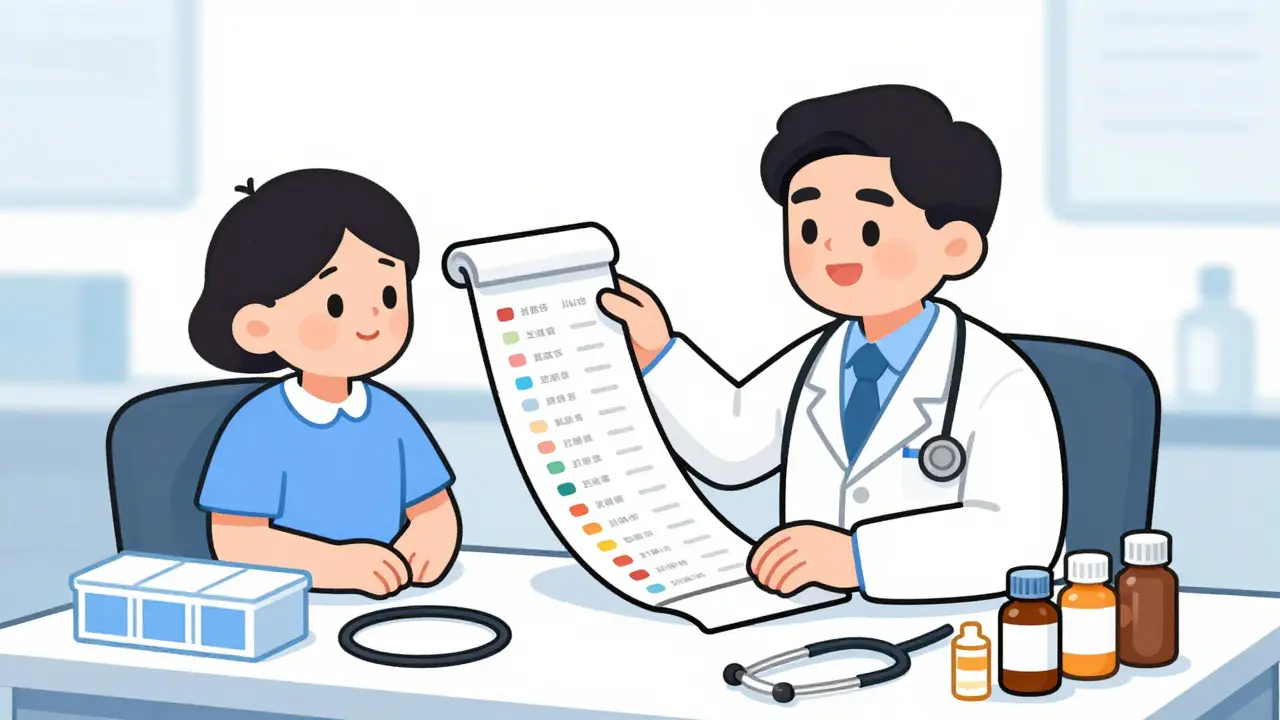
Once your list is complete, bring it to your next appointment. Don’t just hand it over; ask specific questions. Tell your doctor or pharmacist: "Please check for possible drug interactions." This simple phrase triggers a professional review that catches hidden dangers.
Ask for details on every medication:
- Purpose: What exactly is this treating?
- Dosage: How much and how often?
- Side Effects: What should I watch out for?
- Timing: Should I take it with food? At night? Morning?
If you’re seeing multiple specialists-a cardiologist, a dermatologist, a GP-they may not talk to each other. You are the bridge. Ensure all healthcare team members know about every substance entering your body. The Institute for Safe Medication Practices (ISMP) emphasizes that interdisciplinary communication is key to preventing errors during care transitions.
Step 3: Secure Storage and Clear Labeling
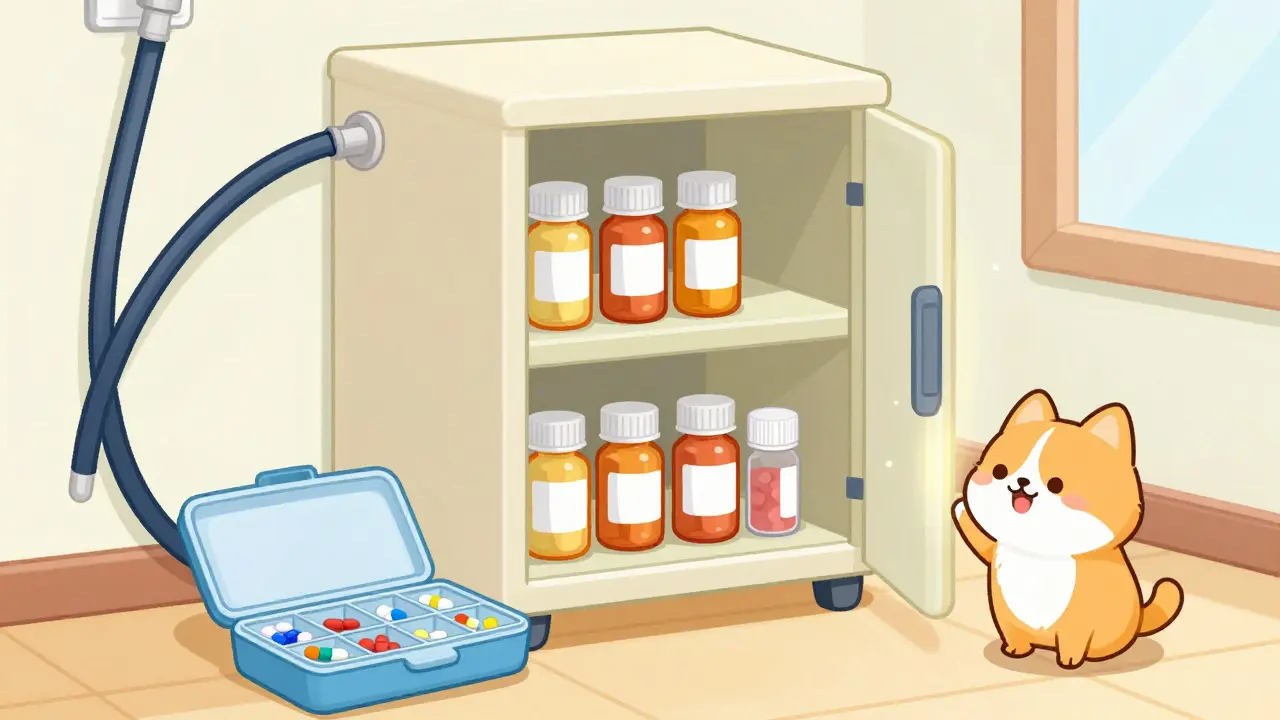
Where you keep your meds matters. Accidental ingestion by children or pets is a major risk, but so is accidental double-dosing by the patient. The Alzheimer's Association and mental health experts recommend keeping medications in a locked cabinet or box if there are children, cognitively impaired individuals, or anyone at risk of overdose in the home.
Labeling is non-negotiable. Never transfer pills into unmarked containers unless they are clearly labeled with:
- Your name
- Medication name
- Dosage instructions
- Prescribing doctor’s contact info
I’ve seen cases where a patient kept heart medication in an unlabeled container next to their bed and accidentally took a double dose because they confused it with another pill. Clear labels prevent this confusion instantly.
Step 4: Establish Administration Systems
Memory fades. Routines stick. To ensure you take the right med at the right time, implement physical systems.
Use a Pill Box Organizer: A weekly pill organizer is cheap and effective. Pre-sort your doses on Sunday night. If a compartment is full on Wednesday, you know you missed Tuesday’s dose.
Set Reminders: Use phone alarms, smart speakers, or medication apps. However, technology alone isn’t enough. Combine digital reminders with human oversight. If you live with family or roommates, designate a trusted person to help monitor intake, especially if you struggle with impulsivity or cognitive challenges.
For caregivers of dementia patients, use simple language. Instead of saying "Take your antihypertensive," say "Here’s the pill for your high blood pressure. Put it in your mouth and drink some water." Clarity reduces anxiety and increases compliance.
Step 5: Routine Monitoring and Check-ins
A medication safety plan isn’t set-and-forget. It requires active maintenance. Schedule regular appointments with your provider to assess effectiveness. Are your symptoms improving? Are you experiencing side effects like dizziness, nausea, or confusion?
Keep a symptom journal. Note any changes in mood, energy, or physical health alongside your medication schedule. This data helps your doctor adjust dosages or switch drugs before a minor issue becomes a crisis. The Humana guide highlights that understanding fall risks associated with certain sedatives or blood pressure meds can lead to life-saving adjustments.
Comparison: High-Risk vs. Standard Medications
| Medication Type | Risk Level | Key Safety Action | Monitoring Frequency |
|---|---|---|---|
| Standard OTC (e.g., Ibuprofen) | Low | Check for stomach issues | As needed |
| Chronic Prescriptions (e.g., Metformin) | Medium | Regular blood tests | Every 3-6 months |
| High-Alert Meds (e.g., Insulin, Warfarin) | High | Strict dosage checks, interaction screening | Weekly or daily |
| Controlled Substances (e.g., Opioids) | Very High | Locked storage, count remaining pills | At every refill |
Emergency Protocols and Documentation
Hope for the best, prepare for the worst. Your medication record is invaluable in emergencies. If you’re unconscious or unable to speak, first responders need to know what’s in your system immediately.
Create an emergency card that includes:
- All current medications and dosages
- Known allergies
- Contact info for your primary care physician and pharmacist
- Next of kin contact details
Keep this card in your wallet and post a copy near your home phone or on your refrigerator. For high-risk situations, such as opioid therapy or insulin dependence, having a trusted friend or family member trained in basic emergency response can be lifesaving.
Overcoming Common Pitfalls
Even with the best intentions, plans fail. Here’s why:
The "It Won’t Happen to Me" Bias: Dr. Michael Cohen, President of ISMP, notes that many caregivers dismiss risks because they haven’t experienced them yet. Overcome this by reading real-world case studies. Understanding that 20% of ADEs stem from communication failures makes the threat feel real, not theoretical.
Inconsistent Monitoring: One caregiver reported not realizing her mother’s confusion was from a drug interaction until she fell and broke her hip. Regular check-ins prevent slow-burn crises. Don’t wait for an emergency to review your meds.
Ignoring Herbal Supplements: As mentioned, these are often omitted from lists. Always disclose them. They are biologically active and can alter how your liver processes prescription drugs.
Putting It All Together
Building a personal medication safety plan is a collaborative effort. You are the CEO of your health; your doctors and pharmacists are your consultants. By maintaining a master inventory, verifying interactions, securing storage, establishing routines, and monitoring closely, you drastically reduce your risk of harm. Start today. Print a blank medication list, fill it out, and book a 15-minute call with your pharmacist to review it. Your future self will thank you.
What is a personal medication safety plan?
A personal medication safety plan is a structured document and routine created by a patient and their care team to prevent medication errors, adverse drug events, and ensure proper use of all prescriptions, OTC drugs, and supplements. It includes inventory, storage rules, administration schedules, and emergency contacts.
Who needs a medication safety plan?
Anyone taking more than one medication benefits from a safety plan. It is critical for older adults, individuals with cognitive impairments like dementia, patients with multiple chronic conditions, and those taking high-alert medications such as insulin, blood thinners, or opioids.
How often should I update my medication list?
You should update your medication list immediately whenever a new medication is added or an old one is stopped. Additionally, conduct a full review at least once a year with your healthcare provider to check for unnecessary drugs or potential interactions.
Do vitamins and herbal supplements need to be included?
Yes. Vitamins and herbal supplements can interact dangerously with prescription medications. For example, St. John’s Wort can reduce the effectiveness of antidepressants and birth control. Always include them in your master inventory and discuss them with your pharmacist.
What is the best way to store medications safely?
Store medications in a cool, dry place away from direct sunlight. Use original labeled containers. If you have children, pets, or vulnerable adults in the home, use a locked cabinet or box to prevent accidental ingestion or misuse.
How can I prevent medication errors at home?
Prevent errors by using a weekly pill organizer, setting daily alarms, keeping a clear written schedule, and asking a trusted family member to verify doses if possible. Never guess doses or share medications with others.
What should I do if I miss a dose?
Check the package insert or ask your pharmacist for specific instructions. Generally, if it’s close to the next dose, skip the missed one. Do not double up to make up for a missed dose unless explicitly told to do so by your doctor, as this can cause toxicity.
Why is communication with my care team important?
Communication failures account for 20% of adverse drug events. Telling all your providers about every substance you take ensures they can screen for interactions. Pharmacists are especially valuable resources for checking compatibility between different drugs.