 Dec, 2 2025
Every year, millions of people around the world take the wrong medicine, at the wrong dose, or mix drugs that shouldn’t be taken together. Many of these mistakes aren’t caused by doctors or pharmacists alone-they happen because the person taking the medicine doesn’t know what they’re supposed to be doing. Medication safety isn’t just a hospital’s job. It’s yours too.
Why Your Role Matters More Than You Think
You might think your doctor or nurse has it all under control. But here’s the truth: you’re the only one who takes your pills every day. You’re the one who notices if a pill looks different. You’re the one who feels dizzy after a new prescription. You’re the one who remembers you took that herbal supplement last week. Healthcare providers see hundreds of patients. You see only yourself. That gives you a unique advantage-if you know what to look for. According to the World Health Organization, preventable medication harm affects 3% of patients globally. That’s not a small number. It’s millions of people suffering from allergic reactions, organ damage, or even death because something simple was missed. And in over 40% of those cases, the patient could have caught it-if they’d known how.Seven Things You Can Do Right Now
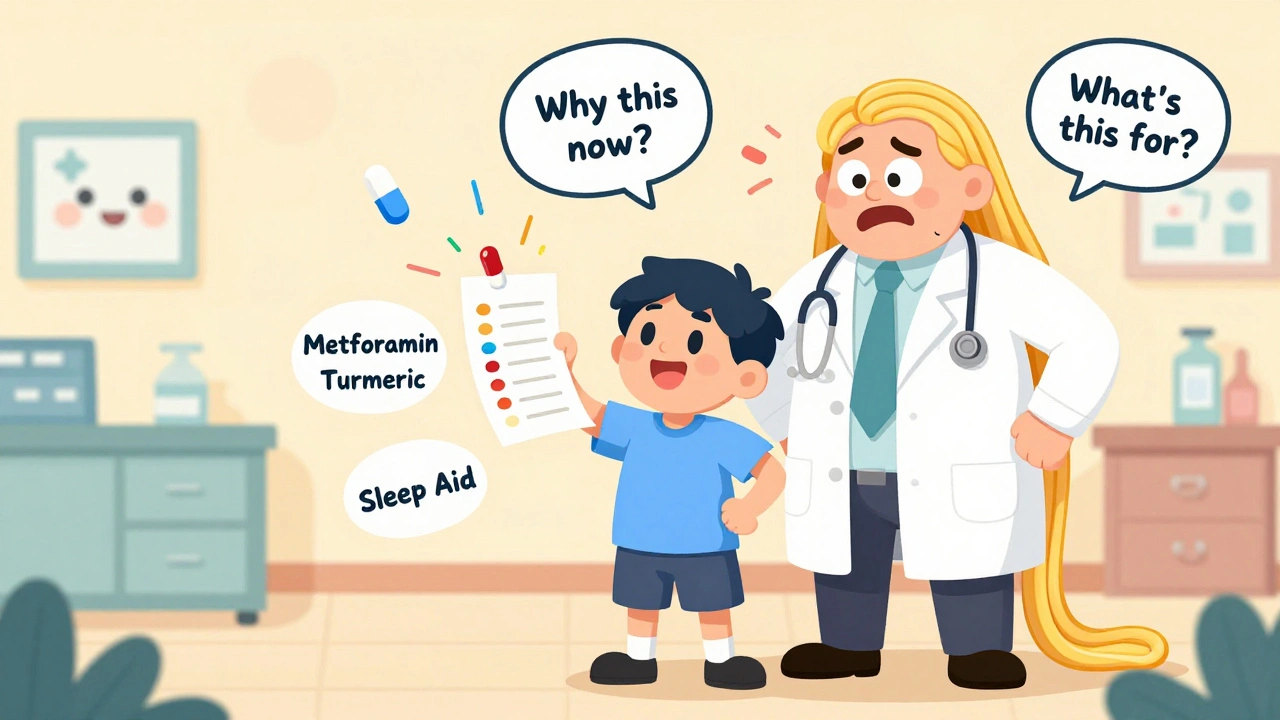
You don’t need a medical degree to make a big difference. Here are seven proven actions that reduce your risk of harm:- Know your meds by name and purpose. Don’t just say “the blue pill.” Know it’s “Metformin 500mg, taken twice daily for diabetes.” If you don’t know why you’re taking it, ask. Studies show this alone cuts error risk by 35%.
- Understand your dosing schedule. “Once a day” doesn’t mean “whenever I remember.” Is it morning? After food? At bedtime? Confusion here causes 28% more missed or double doses.
- Know the side effects. If you feel unusually tired, nauseous, or your skin turns yellow, don’t assume it’s “just part of aging.” Sixty-three percent of serious reactions are caught early when patients speak up.
- Check what the pill looks like. If your new prescription looks different from last time-even if the label says the same thing-ask. One in five dispensing errors are caught this way.
- Question changes. If your doctor suddenly adds a new drug or changes your dose, say: “Why this now?” Fifteen percent of prescription errors are caught because someone asked.
- Tell them everything you take. That ginkgo biloba? The turmeric capsules? The over-the-counter sleep aid? All of it. People who report all supplements reduce dangerous interactions by 22%.
- Participate in medication reconciliation. Every time you go to the hospital, ER, or even switch doctors, ask: “Can we go over all my meds together?” This cuts discrepancies by half.
Keep a Personal Medication List
The simplest tool you can use is a list. Write down every medicine you take-prescription, over-the-counter, vitamins, herbs. Include the dose, how often, and why. Keep it in your wallet, phone, or a notes app. Update it every time something changes. A 2022 study by the Agency for Healthcare Research and Quality found that patients who kept a personal list had 42% fewer mistakes during hospital transfers. That’s not luck. That’s preparation.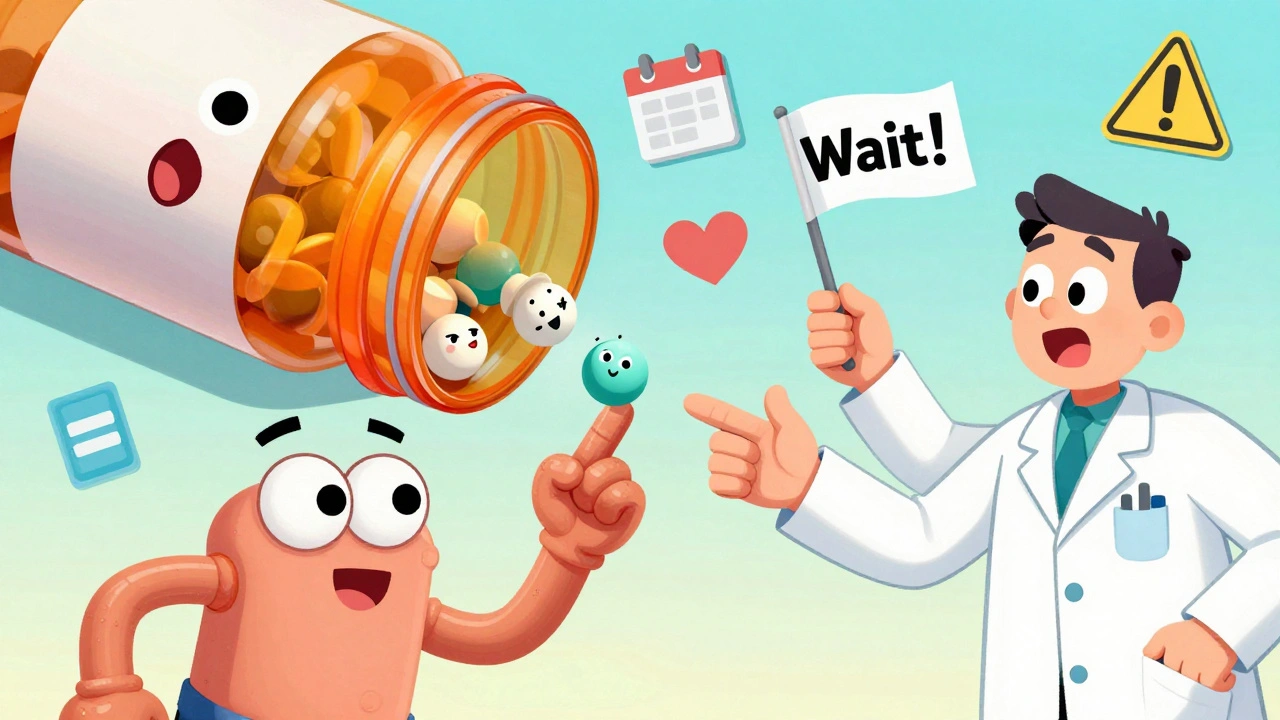
What If You Don’t Understand?
Health literacy matters. Over 88 million adults in the U.S. struggle to understand basic health instructions. If you don’t get it, say so. Don’t nod and smile. Ask again. Ask for simpler words. Ask for a diagram. Ask for a family member to join the conversation. The “teach-back” method works: after your provider explains something, say, “So, to make sure I got it right-you want me to take this at 8 a.m. and 8 p.m. with food, right?” If you can say it back correctly, you’re more likely to do it right. This technique boosts correct understanding from 31% to 67%.Use Technology-But Know the Limits
Apps like MyMedSchedule or MyChart can help you track doses, set reminders, and even alert you to interactions. But here’s the catch: only 44% of people over 65 use them regularly. If you’re not tech-savvy, don’t feel pressured. Paper lists work. Phone alarms work. A pill organizer with labeled days works too. The key isn’t the tool-it’s the habit. If you’re using an app but not checking the label, you’re still at risk. If you’re using a pill box but not knowing what’s inside, you’re still at risk.When You’re Dismissed or Ignored
Some patients report being labeled “difficult” or “anxious” when they ask questions. One woman on Reddit shared how she questioned her child’s antibiotic dose-and prevented a 10-fold overdose. Another told her doctor her new pill looked wrong. The doctor said, “It’s fine.” Two days later, she had a severe allergic reaction. You have a right to be heard. If you’re brushed off, say: “I’m not trying to challenge you. I just want to make sure I’m safe.” If that doesn’t work, ask for a second opinion. Bring a friend. Write it down. Your life depends on it.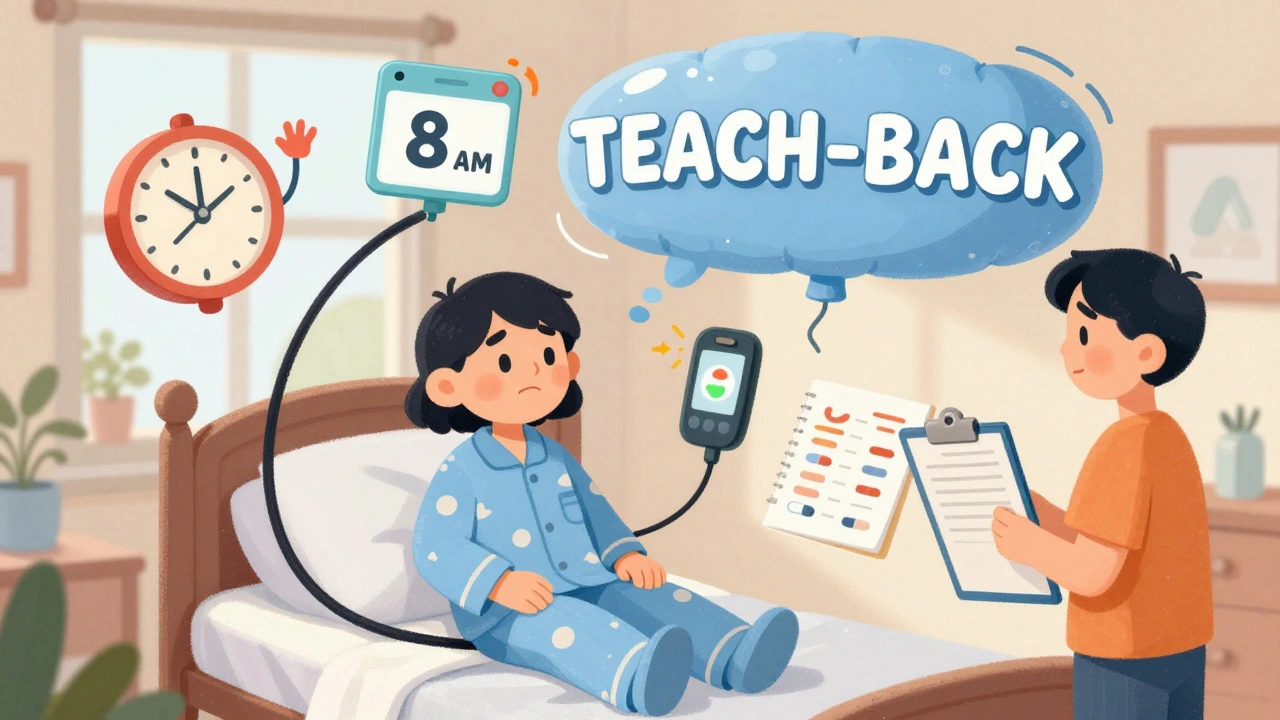
Erik van Hees
December 3, 2025 AT 19:23I've been managing my own meds since my bypass surgery in '19 and let me tell you, the system is broken. I keep a laminated card in my wallet with every drug, dose, and why I'm on it. Last month, the pharmacy gave me metformin that looked like a different batch-I called them out and they admitted they'd swapped the bottle with someone else's. That’s why you don't just trust the label. Know your pills. Know your body. And never let a pharmacist rush you.
Cristy Magdalena
December 4, 2025 AT 16:51Can we just talk about how terrifying it is that people die because they didn’t ask if a pill looked different? I had a friend who took a wrong dose of warfarin because she trusted the pharmacist. She ended up in the ICU with internal bleeding. And now? She can’t even look at a pill bottle without crying. This isn’t just advice-it’s a survival guide. And if you’re not doing this, you’re playing Russian roulette with your life.
Adrianna Alfano
December 5, 2025 AT 04:16okay so i just got back from my dr visit and i was like hey can you explain this new blood pressure med again? and she was like sure honey and drew me a little picture of a heart and arrows going in and out. i cried a little. i’ve been on meds for 12 years and no one ever did that. i’m gonna start my own list on my phone right now. also i take ashwagandha and turmeric and i never told anyone because i thought they’d laugh. but now i’m gonna tell everyone. we need to stop feeling dumb for asking.
Casey Lyn Keller
December 6, 2025 AT 17:05Look, I’m not gonna lie. I’ve got 11 different prescriptions and I take them when I remember. Sometimes I don’t even know what they’re for. I don’t have time to memorize all this stuff. I work two jobs and I’m raising a kid. The system should be designed so I don’t have to be a pharmacist just to stay alive. This article feels like blaming the victim.
Jessica Ainscough
December 8, 2025 AT 14:12I started keeping a simple Google Doc with all my meds after my mom had a bad interaction last year. I share it with my partner and my sister. It’s not fancy, but it’s there. I don’t need an app. I don’t need a chart. I just need to remember to update it. And honestly? The biggest thing is just saying ‘I’m not sure’ when I’m confused. That one phrase has saved me so many times.
May .
December 10, 2025 AT 11:33just write down what you take and ask questions dont make it a project
Sara Larson
December 11, 2025 AT 01:59YOU GOT THIS 💪🏼 Seriously, starting today-open your notes app and type: ‘My Meds.’ Just that. One line. Then tomorrow, add one more thing. You don’t have to be perfect. You just have to start. And when you do? You’re not just saving yourself-you’re showing everyone else it’s okay to care. I’m proud of you already. 🌟
dan koz
December 11, 2025 AT 07:29Man in Nigeria we don’t even have consistent pharmacy access. Some of us buy meds from roadside vendors because the clinic is 50km away. You talk about pill boxes and apps? We’re lucky if we get the right drug at all. This advice is great if you live in a city with a pharmacy on every corner. But for the rest of us? It’s just another way to say ‘you failed’ when the system failed first.
Kevin Estrada
December 11, 2025 AT 08:37Oh wow, another ‘patient empowerment’ PSA. Let me guess-next they’ll tell us to fix the broken healthcare system by doing our own paperwork? I’m supposed to memorize every drug interaction when the doctors can’t even spell ‘hypertension’ right? And don’t get me started on how they prescribe antibiotics like candy. This article is just corporate fluff dressed up as advice. Meanwhile, insurance companies are still denying coverage for the very tools you’re telling us to use.
Katey Korzenietz
December 12, 2025 AT 14:48Finally. Someone said it. The teach-back method works. I’ve been using it since my husband’s stroke. If they can’t explain it so I can repeat it back, they’re not teaching-they’re talking. And if they get annoyed? That’s not me being difficult. That’s them being incompetent. I’m not asking for a Nobel Prize. I’m asking to not die because someone didn’t want to slow down.