 Feb, 4 2026
What Are Direct-to-Consumer Generic Pharmacies?
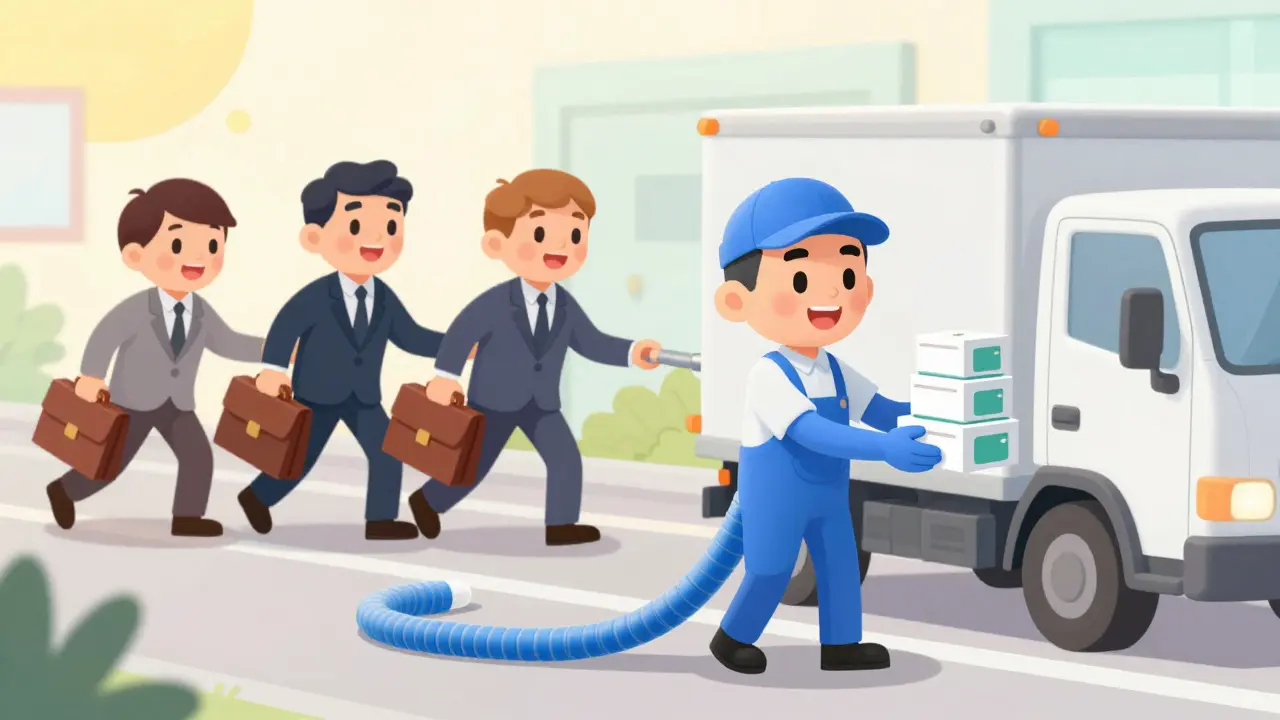
For decades, getting prescription drugs meant navigating a maze of pharmacies, insurance companies, and middlemen. Now, Direct-to-Consumer Generic Pharmacies are cutting out those layers entirely-delivering medications straight from manufacturers to patients. This emerging business model bypasses traditional intermediaries like Pharmacy Benefit Managers (PBMs), wholesalers, and retail pharmacies, creating a simpler, more transparent pathway for generic medications.
How DTC Generic Pharmacies Work
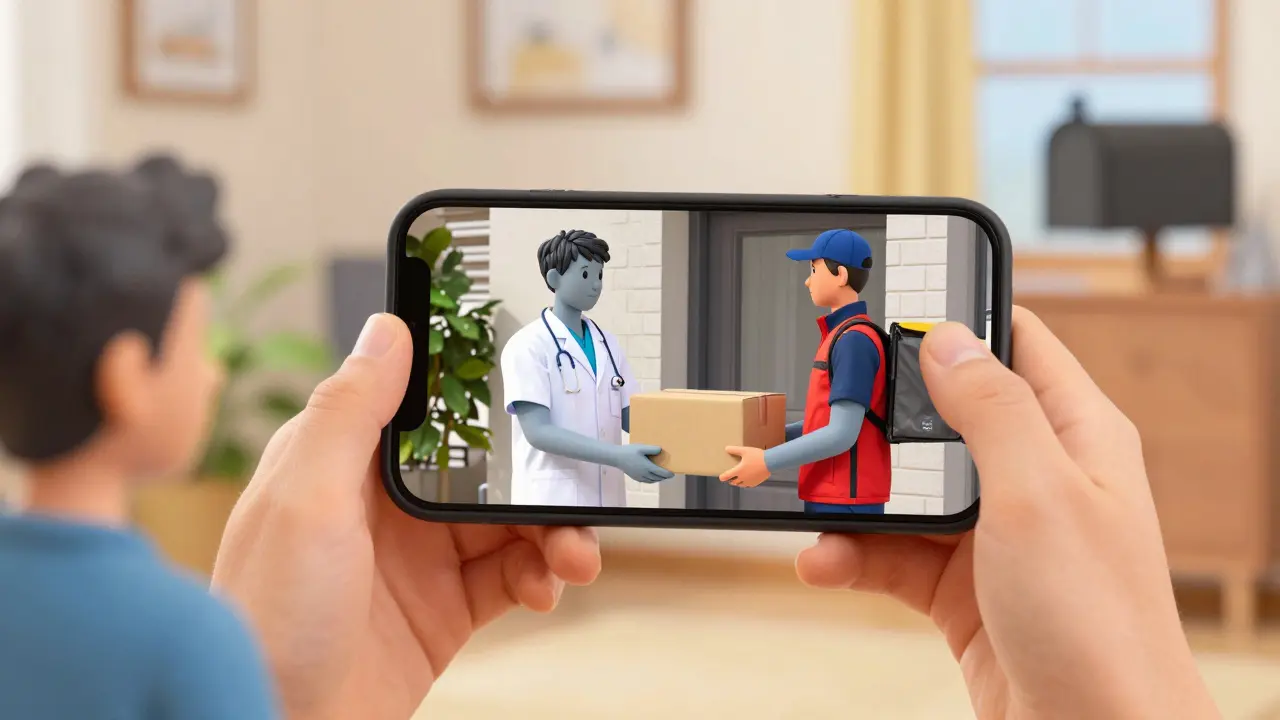
These platforms integrate telehealth, e-prescribing, and home delivery into one seamless system. Patients start with a telehealth consultation, often via smartphone app. A licensed provider reviews symptoms and issues an e-prescription. The prescription then goes directly to the pharmacy's fulfillment center, which packages and ships the medication. For example, LillyDirect and PfizerForAll handle all five critical elements: remote diagnosis, telehealth, online pharmacy, distribution, and disease management. This reduces time-to-therapy by an average of 3.7 days compared to traditional routes. The technical backbone includes cloud computing for scalability, AI-powered chatbots for medication reminders, and robust cybersecurity to protect patient data under HIPAA regulations.
Benefits for Patients
Price transparency is a major draw. Traditional drug pricing involves hidden rebates and markups, but DTC models show clear cash prices upfront. Ro processes about 2.1 million prescription orders per quarter, with generics priced 30-50% lower than retail pharmacies. A May 2025 Drug Channels survey found 73% of patients using DTC services for chronic conditions reported better medication adherence. Convenience is another big factor-home delivery eliminates pharmacy trips. Users like 'MedSavvy2025' on Reddit shared saving $417.50 yearly on blood pressure meds through Ro. Simplified refill processes also help, with 49% of positive reviews citing this feature.
- Clear cash prices upfront, avoiding hidden rebates
- Generics priced 30-50% lower than retail pharmacies
- Home delivery eliminates pharmacy trips
- 73% of chronic condition patients report better adherence
Challenges and Risks
Despite benefits, DTC models face serious hurdles. Regulatory complexity is a top issue-47 states require specific pharmacy licenses, adding 14-18 months and $2.3 million in setup costs. Dr. Sarah Chen of Johns Hopkins warns about bypassing pharmacists: "Direct-to-consumer models risk missing drug interactions that a pharmacist would catch." Drug Topics documented 17 cases where potential interactions went unnoticed. Customer service delays are common too, with 29% of negative reviews mentioning response times over 48 hours. Limited medication availability is another problem; most DTC platforms focus on just 1-2 flagship drugs initially, leaving many prescriptions out of reach.
Market Landscape in 2026
The U.S. prescription drug market is $600 billion, with DTC sales hitting $18.7 billion in Q3 2025-up from 0.8% in 2023. Established players like Ro and Hims & Hers dominate generic delivery, while pharma giants like Lilly and Pfizer push brand-name DTC. Techspert's June 2025 report notes "ring-fenced factory lots" protect DTC supply during wholesaler shortages. However, the 'Big Three' PBMs still control 78% of prescription claims, though their influence is shrinking as manufacturers capture patient data directly. Adoption is highest among chronic condition patients (41%) and high-deductible plan users (38%), with 27% of insured patients trying DTC services by Q3 2025.
What Patients Should Know
If considering a DTC pharmacy, check these factors: First, confirm the platform is licensed in your state-many states require specific DTC pharmacy permits. Second, review medication availability; most services only cover common generics like blood pressure or diabetes drugs. Third, ensure there's a live pharmacist consultation option; top platforms staff one pharmacist per 5,000 patients. Finally, compare prices with your local pharmacy; some DTC services work best for cash payments, while others integrate with insurance. Remember, these models complement rather than replace traditional pharmacies, so keep your regular pharmacy for complex needs.
What are DTC generic pharmacies?
Direct-to-consumer generic pharmacies deliver medications straight from manufacturers to patients, bypassing traditional intermediaries like Pharmacy Benefit Managers (PBMs), wholesalers, and retail pharmacies. This model uses telehealth consultations, e-prescribing, and home delivery to create a transparent, simplified process for generic drugs.
How do DTC pharmacies differ from traditional pharmacies?
Traditional pharmacies involve multiple middlemen: manufacturers → wholesalers → PBMs → retail pharmacies → patients. DTC platforms cut out most of these layers, delivering directly from manufacturers to patients. This reduces costs and simplifies the process, though traditional pharmacies still handle complex medications requiring pharmacist expertise.
Are DTC generic pharmacies safe?
Safety depends on proper regulation. Leading platforms like LillyDirect and PfizerForAll comply with FDA and state pharmacy laws, and include pharmacist consultations. However, Drug Topics documented cases where potential drug interactions went unnoticed due to lack of pharmacist review. Patients should choose platforms with licensed pharmacists available for consultation.
What medications are available through DTC pharmacies?
Most DTC platforms focus on common generic medications like blood pressure drugs (e.g., lisinopril), diabetes medications (e.g., metformin), and antidepressants (e.g., sertraline). Brand-name DTC services like LillyDirect initially offer just 1-2 flagship drugs. Complex medications requiring pharmacist oversight are typically not covered.
How do DTC pharmacies handle insurance?
Most DTC services operate on a cash-pay basis with transparent upfront pricing. Some, like Honeybee Health, integrate with insurance, but cash prices are often cheaper than insurance copays for generics. For example, Ro's cash price for generic Zoloft is $10 for 30 tablets versus a $15 insurance copay. Always compare cash prices with your insurance coverage before deciding.
Katharine Meiler
February 6, 2026 AT 17:39Direct-to-Consumer Generic Pharmacies are fundamentally changing how patients access medications by cutting out unnecessary middlemen like Pharmacy Benefit Managers (PBMs), wholesalers, and retail pharmacies. This streamlined approach allows medications to move directly from manufacturers to patients, which significantly reduces costs and increases price transparency. For instance, Ro processes approximately 2.1 million prescription orders per quarter with generics priced 30-50% lower than traditional pharmacies. Additionally, a May 2025 Drug Channels survey found that 73% of patients using DTC services for chronic conditions reported better medication adherence. The integration of telehealth, e-prescribing, and home delivery creates a seamless experience that's hard to beat. However, there are regulatory challenges-47 states require specific pharmacy licenses, adding 14-18 months and $2.3 million in setup costs. Dr. Sarah Chen of Johns Hopkins warns about the risk of missing drug interactions without pharmacist review, citing 17 cases where potential interactions went unnoticed. Despite these hurdles, the model's benefits for patients, especially those with high-deductible plans (38% adoption rate), are undeniable. The key is balancing innovation with robust oversight to ensure patient safety. Ultimately, this approach complements traditional pharmacies rather than replacing them, focusing on common generics while leaving complex cases to specialists. It's a necessary evolution in pharmaceutical distribution that prioritizes patient-centric care. The industry needs to collaborate on standardizing regulations to scale this model effectively. By doing so, we can make medications more accessible without compromising safety. This is a positive step forward for healthcare transparency.
Danielle Vila
February 7, 2026 AT 05:23Oh, you think this 'streamlined approach' is great? Let me tell you, it's all a front for Big Pharma to control your data and push unnecessary drugs. They're using telehealth to bypass proper medical oversight. I've seen it myself-these 'DTC pharmacies' are just a way for them to harvest your personal info and sell it. Remember when they tried to sell me that $1000/month drug? Yeah, that's how they get you hooked. #BigPharmaLies
And don't get me started on how they're bypassing pharmacists. Drug Topics documented 17 cases where potential interactions went unnoticed. That's dangerous! These companies don't care about your safety-they just want your money. It's a scam, plain and simple. Trust me, I've done my research. They're working with the same PBMs they claim to bypass. It's all smoke and mirrors. #WakeUp
Thorben Westerhuys
February 8, 2026 AT 02:00I'm so concerned about this! The lack of pharmacist oversight is terrifying! There's been 17 documented cases of drug interactions missed! What about patient safety? It's a disaster waiting to happen! And the data privacy issues-so many people are being exploited! I can't believe anyone would support this! It's just reckless! Please, think about the consequences! We need to shut this down immediately! What's happening to our healthcare system?!
Laissa Peixoto
February 8, 2026 AT 07:27While Danielle raises valid concerns about oversight, it's important to consider the broader context. The DTC model does have regulatory hurdles, but many platforms do employ licensed pharmacists. For example, top services staff one pharmacist per 5,000 patients. The key is proper regulation rather than outright dismissal. Perhaps a middle ground where DTC complements traditional pharmacies could be the solution. We shouldn't dismiss innovation due to isolated incidents. The 17 cases mentioned by Drug Topics are concerning, but they're part of a larger system that's evolving. It's crucial to balance patient safety with access to affordable medications. Let's not let fear overshadow the potential benefits. After all, 73% of chronic condition patients report better adherence with DTC services. That's significant. Maybe we need to strengthen regulations to address the gaps instead of throwing the baby out with the bathwater. It's a complex issue that requires nuanced discussion. Let's not let fear overshadow the potential benefits.
Lana Younis
February 8, 2026 AT 12:34hey folks, just chillin' here. the dtc model has its pros and cons. sure, there are risks like missing drug interactions, but also huge benefits like lower prices. i've seen people save hundreds yearly on meds. but yeah, we need better oversight. maybe integrate more pharmacist consults. also, some states have different rules, so it's messy. but overall, it's a step forward. just need to do it right. 🌍
also, remember that 73% adherence rate? that's huge for chronic conditions. maybe we can use that data to push for better regulations. not all dtc is bad-just need to fix the gaps. #pharmacylife
Georgeana Chantie
February 10, 2026 AT 08:57This is why America is falling behind! All these foreign influences in our healthcare! DTC pharmacies are a joke! We need to protect American jobs and pharmacies! This is just another way for big pharma to take over. 🇺🇸🔥
Look at the numbers-78% of prescription claims are still controlled by PBMs. They're not going away. These DTC models are just temporary distractions. We should focus on strengthening traditional pharmacies instead of chasing shiny new tech. America First! 💪
Carol Woulfe
February 11, 2026 AT 22:58While Georgeana's nationalist sentiment is... understandable, it's quite simplistic. The real issue is the lack of transparency in the current system. DTC pharmacies, despite their flaws, are a necessary evolution. However, the involvement of PBMs in these models is concerning. One must question the true ownership of these platforms. Are they really independent, or are they covertly controlled by the same entities? This requires rigorous investigation. The data shows that PBMs still control 78% of claims-so where does this leave DTC? It's a question that deserves serious attention from regulatory bodies. We cannot afford to be complacent.
Lisa Scott
February 13, 2026 AT 19:59Lana's 'chill' take is naive. The data shows DTC platforms have 29% negative reviews for customer service delays. 17 cases of missed interactions. That's not 'a step forward'-it's a failure. They're cutting corners to maximize profit. End of story. No more sugarcoating
Brendan Ferguson
February 15, 2026 AT 12:17Laissa makes a good point about balancing innovation with oversight. The key is to strengthen regulations without stifling progress. For example, requiring more pharmacist consultations could address the interaction risks. Also, transparency in pricing is crucial-patients should know exactly what they're paying for. It's possible to have a system that's both safe and affordable. We shouldn't dismiss the benefits of DTC models outright, but we must address the real issues. A collaborative approach between traditional pharmacies and DTC platforms could create a better system overall. Let's focus on solutions rather than blame.
jan civil
February 17, 2026 AT 04:41Hybrid model is the way to go.