 Jan, 18 2026
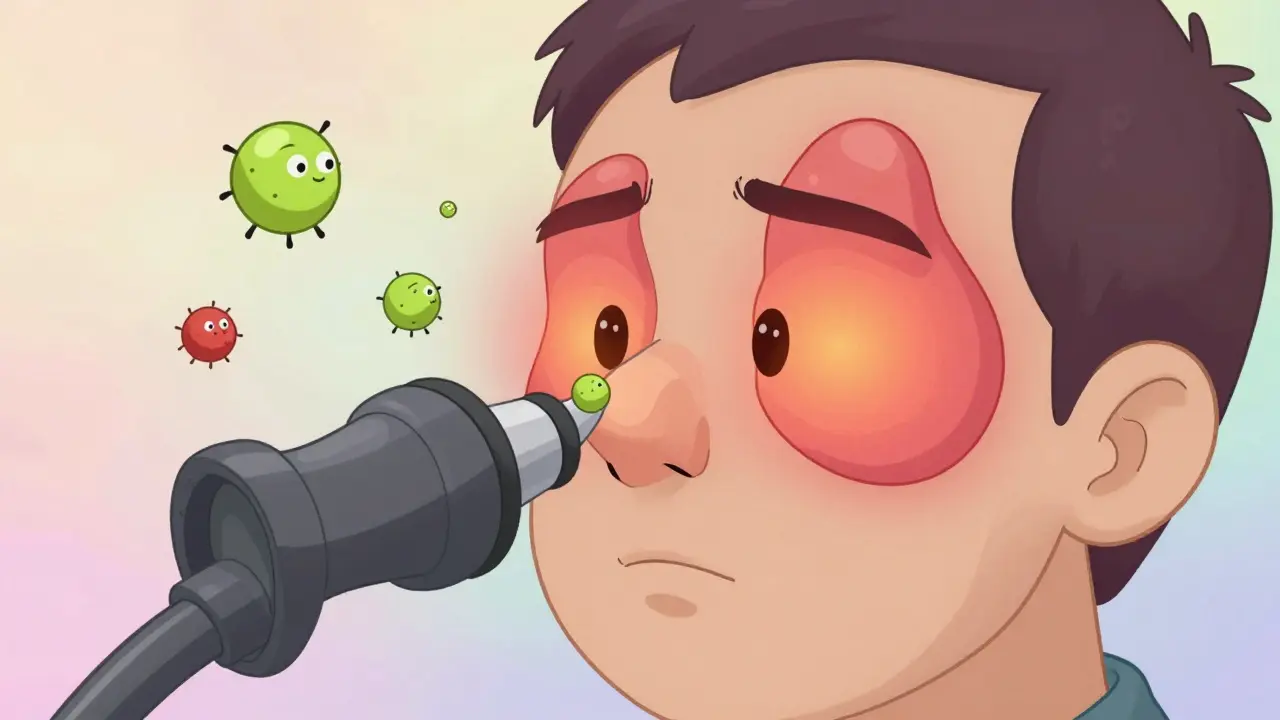
For millions of people, a stuffy nose that won’t go away isn’t just annoying-it’s exhausting. If you’ve had facial pressure, blocked sinuses, or loss of smell for more than three months, even after trying decongestants or antibiotics, you might be dealing with chronic sinusitis. Unlike a cold or acute infection that clears up in days, chronic sinusitis lingers. And it’s not just about germs. It’s often about inflammation, allergies, or even the shape of your nasal passages.
What Exactly Is Chronic Sinusitis?
Chronic sinusitis, also called chronic rhinosinusitis, means your sinuses-those hollow spaces behind your forehead, cheeks, and eyes-stay swollen and inflamed for 12 weeks or longer, even with treatment. It’s not a single illness. It’s a group of conditions with similar symptoms but different causes. The American Academy of Otolaryngology defines it by two key things: symptoms lasting 12+ weeks, and signs seen on a nasal exam or CT scan, like pus or polyps. You don’t need every symptom to have it. Doctors look for at least two of these: nasal blockage, thick nasal discharge (either running out your nose or dripping down your throat), facial pain or pressure, and reduced or lost sense of smell. If you’ve had one of these for months, and nothing’s helped, it’s time to look beyond the common cold.Why Do People Get It? Allergies, Infections, and More
Most people assume chronic sinusitis is caused by bacteria. But that’s a myth. About 70% of cases have little to do with active infection. Instead, it’s mostly about inflammation triggered by other factors. Allergies are a major player. If you have hay fever, pet dander sensitivity, or mold allergies, your nasal lining gets irritated and swells up. This blocks the tiny channels that drain mucus from your sinuses. People with allergies are 2.5 times more likely to develop chronic sinusitis. And if you also have asthma, your risk jumps even higher-up to four times more likely. That’s because the same inflammatory pathways affect your lungs and sinuses. Nasal polyps are soft, noncancerous growths inside the nose or sinuses. They’re not rare-in 25-30% of chronic sinusitis cases, they’re present. These polyps physically block drainage and make it hard to breathe. They’re often linked to allergies, asthma, and a condition called Samter’s triad, where someone has all three: asthma, polyps, and sensitivity to aspirin or NSAIDs. Environmental irritants like cigarette smoke, air pollution, or strong perfumes can also keep your sinuses inflamed. Studies show exposure to tobacco smoke increases your risk by 35%. Even dry air can make things worse by drying out the mucus lining, making it thicker and harder to clear. And yes, infections can play a role. Bacteria like Streptococcus pneumoniae and Haemophilus influenzae can cause flare-ups. But they’re usually not the root cause. More often, they move in after the sinuses are already blocked and inflamed, turning a slow-burning fire into a short burst of infection.How Is It Diagnosed?
Your doctor won’t just ask how you’re feeling. They’ll look inside your nose. A simple nasal endoscopy-a thin, flexible tube with a camera-is the gold standard. It lets them see if there’s pus, polyps, or swelling blocking your drainage pathways. A CT scan might be ordered if symptoms are severe or if surgery is being considered. It shows exactly which sinuses are affected and if there’s bone thickening or structural problems like a deviated septum. There’s no single blood test for chronic sinusitis. Diagnosis is based on symptoms, exam findings, and imaging. That’s why so many people go years undiagnosed-they’re told they have "recurrent infections" when what they really have is chronic inflammation.First-Line Treatment: Nasal Sprays and Saline Rinses
Before you think about pills or surgery, start with the basics. The most effective, evidence-backed treatments are simple, cheap, and safe. Nasal saline irrigation (using a neti pot or squeeze bottle with sterile saltwater) flushes out mucus, allergens, and irritants. Studies show it reduces symptoms in over 70% of patients when used daily. It’s not a cure, but it makes everything else work better. Intranasal corticosteroid sprays are the cornerstone of treatment. These aren’t the same as oral steroids. They’re targeted, low-dose anti-inflammatories applied directly to the nasal lining. Brands like Flonase (fluticasone), Nasonex (mometasone), and Rhinocort (budesonide) reduce swelling, shrink polyps, and improve drainage. About 60-70% of patients see improvement within 4 to 8 weeks of consistent use. But here’s the catch: you have to use them every day. Many people stop after a few days because they don’t feel instant relief. That’s when symptoms come back. For allergy-driven cases, oral antihistamines like loratadine or cetirizine can help reduce sneezing and runny nose. But they don’t fix the inflammation blocking your sinuses. That’s why they’re used alongside nasal steroids, not instead of them.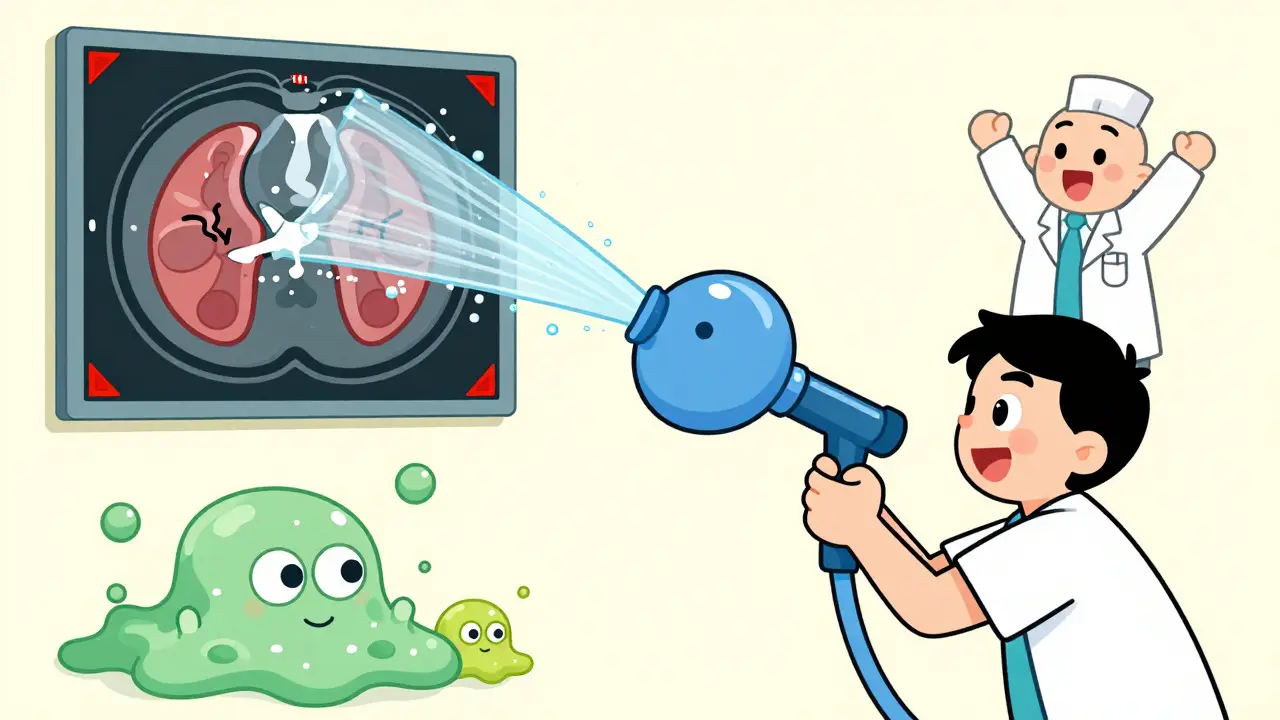
When Medication Isn’t Enough: Biologics and Oral Steroids
If you’ve tried nasal sprays for 12 weeks and still can’t breathe, smell, or sleep, it’s time to consider stronger options. For people with nasal polyps and severe symptoms, biologic therapies are a game-changer. Dupilumab (Dupixent), approved by the FDA in 2019, is an injectable medication that targets specific inflammatory proteins. In clinical trials, it cut polyp size by 50-60% and improved breathing and smell in 30-40% of patients. It’s not for everyone-it’s reserved for those who haven’t responded to other treatments. But for those who qualify, it can mean the difference between constant congestion and living normally. Other biologics like omalizumab (Xolair) and mepolizumab (Nucala) are also used off-label for severe cases, especially when asthma is involved. They reduce flare-ups and polyp regrowth. A short course of oral steroids (like prednisone) might be prescribed for 7-14 days to quickly shrink large polyps. But long-term use is avoided due to side effects like weight gain, high blood pressure, and bone thinning. It’s a bridge, not a solution.Surgical Options: When It’s Time to Operate
Surgery isn’t a last resort-it’s a tool. If medical treatment fails after 12 weeks, and your CT scan shows clear blockages, surgery can restore normal function. Functional Endoscopic Sinus Surgery (FESS) is the most common procedure. Using a tiny camera and specialized tools, the surgeon removes polyps, opens blocked sinus passages, and corrects structural issues. Success rates are high: 75-90% of patients report lasting improvement in breathing and smell. Recovery takes about a week. You’ll still need to use nasal sprays after surgery-surgery doesn’t fix the inflammation, it just clears the path. Balloon sinuplasty is a less invasive option. A small balloon is inserted into the blocked sinus and inflated to widen the opening. It’s quicker, with recovery in 3-5 days, and less bleeding. But it’s not as effective for large polyps or complex blockages. Success rates are around 70-80%, but long-term results can vary. If you have a deviated septum contributing to your symptoms, septoplasty can be done at the same time. Studies show 65-75% of patients see big improvements after this combined approach. For polyps, polypectomy (removing the growths) gives quick relief-85% of patients feel better right away. But without ongoing steroid sprays, polyps come back in 40-50% of cases within a year and a half.What You Can Do at Home
Medicine and surgery help, but daily habits make the biggest difference long-term. - Use a humidifier in dry climates or during winter. Dry air thickens mucus. Keeping moisture in the air helps your sinuses drain. - Avoid smoke, strong perfumes, and chemical fumes. These are triggers. - Stay hydrated. Water keeps mucus thin and easier to clear. - Wash your pillowcases weekly. Dust mites and allergens build up there. - Consider an air purifier with a HEPA filter, especially if you live in a city or have pets. Some patients with Samter’s triad benefit from aspirin desensitization. Under medical supervision, they’re slowly exposed to aspirin. It can reduce polyp regrowth and improve symptoms in 70-80% of cases. But this is only done in specialized centers.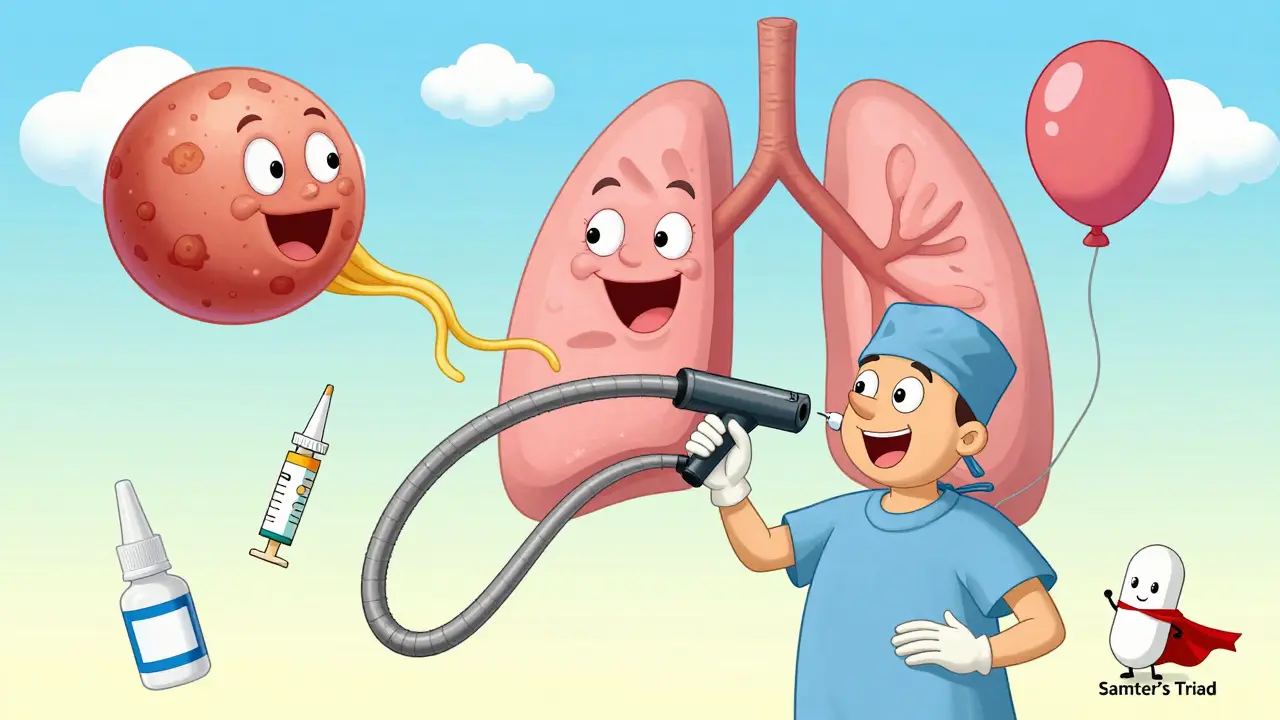
What Happens If You Don’t Treat It?
Most people don’t realize chronic sinusitis can lead to serious problems. In less than 0.5% of cases, the infection can spread to the eyes, bones, or even the brain. That’s rare-but it happens. More commonly, untreated chronic sinusitis leads to ongoing fatigue, trouble sleeping, brain fog, and depression. Losing your sense of smell affects your appetite, safety (you won’t smell smoke or gas), and even your enjoyment of food. And the longer it goes on, the more your sinuses change. The lining thickens. The bones grow. The passages narrow. That makes treatment harder over time.What’s Next? The Future of Treatment
Research is moving fast. Scientists are studying the sinus microbiome-the bacteria living in your nose. Early trials show certain probiotics might help reduce inflammation. Clinical trials are also testing new biologics and combination therapies. By 2027, experts predict biologics will be used in 25-30% of severe cases, cutting the need for surgery by 15-20%. The trend is clear: we’re shifting from treating infections to treating inflammation. The best outcomes come from a team approach. An ENT specialist, an allergist, and sometimes an immunologist working together. Patients in coordinated care programs have 35-45% better results than those seeing just one doctor.Final Thoughts
Chronic sinusitis isn’t something you just "get over." It’s a condition that needs ongoing management. But it’s not hopeless. With the right diagnosis, consistent use of nasal sprays and saline rinses, and timely use of biologics or surgery when needed, most people can get their quality of life back. Don’t accept constant congestion as normal. If you’ve been struggling for months, talk to an ENT or allergist. The tools to help you breathe again are already here.Is chronic sinusitis caused by bacteria?
No, not usually. While bacteria can cause flare-ups, chronic sinusitis is primarily an inflammatory condition. About 70% of cases are driven by allergies, polyps, or environmental triggers-not active infection. Antibiotics often don’t help unless there’s a clear bacterial infection confirmed by testing.
Can nasal sprays really help if I’ve had sinusitis for years?
Yes. Intranasal corticosteroids like Flonase or Nasonex reduce inflammation in the sinus lining, even after years of symptoms. Studies show 60-70% of long-term sufferers see improvement within 4-8 weeks of daily use. The key is consistency-you need to use them every day, even when you feel fine.
Do I need a CT scan to diagnose chronic sinusitis?
Not always, but it’s often needed. Doctors can diagnose based on symptoms and nasal endoscopy. But if you’re considering surgery or your symptoms are severe, a CT scan shows exactly which sinuses are blocked and if there’s bone thickening or structural issues. It’s the best way to plan treatment.
Is sinus surgery risky?
FESS and balloon sinuplasty are low-risk procedures when done by experienced surgeons. Complications like bleeding or infection occur in less than 2% of cases. Most people return to normal activities within a week. The bigger risk is not treating it-chronic inflammation can lead to permanent changes in your sinuses and loss of smell.
Will I need surgery if I have nasal polyps?
Not always. Many people manage polyps with nasal steroids and biologics like Dupixent. But if polyps are large, block your breathing, or keep coming back despite medication, surgery is often the best option. Even after surgery, you’ll still need ongoing medical treatment to prevent regrowth.
Can allergies cause chronic sinusitis even if I don’t sneeze?
Absolutely. Allergies don’t always cause sneezing or itchy eyes. Sometimes they just cause nasal swelling and mucus buildup-leading to blocked sinuses and chronic pressure. If you have year-round congestion and no clear cold, allergies might be the hidden cause. An allergist can test for triggers you didn’t even know you had.
How long does it take for biologics like Dupixent to work?
Most patients start noticing improvement in breathing and smell within 4-8 weeks of starting Dupixent. Full benefits often take 3-6 months. It’s not a quick fix, but for those with severe polyps and long-term symptoms, it can be life-changing. Studies show benefits last over two years with continued use.
Renee Stringer
January 19, 2026 AT 06:59People still think antibiotics are the answer? Wow. This isn't 1998. If you've been on three rounds of amoxicillin and still can't breathe, you're not "persistent"-you're ignoring the real issue: inflammation. Stop treating symptoms like a bug hunt and start treating the root cause. It's not complicated.
Courtney Carra
January 20, 2026 AT 05:12Chronic sinusitis is less a disease and more a mirror of our modern lives-over-sanitized, over-medicated, under-breathing. We've lost the art of natural drainage. Our sinuses aren't broken-they're begging for air, moisture, and silence from chemical sprays and perfumed candles. Maybe the cure isn't in a bottle… but in stepping outside. 🌿
thomas wall
January 20, 2026 AT 09:32It is regrettable that the medical establishment continues to underutilize the proven efficacy of intranasal corticosteroids. The data is unequivocal: consistent use yields statistically significant improvement in mucosal health and olfactory function. To prescribe antibiotics as a first-line intervention for chronic rhinosinusitis is not merely outdated-it is medically negligent. Patients deserve evidence-based care, not convenience.
Jacob Cathro
January 20, 2026 AT 21:40bro. i had this for 7 years. tried every spray, neti pot, humidifier, essential oil, and "cleansing ritual" on the planet. nothing worked. then i got dupixent. like… i could smell coffee again. for real. i cried. but it costs 30k a year and my insurance denied it 4 times. so yeah. great article. but what about the people who can't afford the cure?
kumar kc
January 22, 2026 AT 19:09Allergies cause this. Not germs. Stop taking antibiotics.
Edith Brederode
January 23, 2026 AT 16:39I’ve been using Flonase for 11 months now. No polyps, no surgery. Just consistency. I used to think it was placebo… until I forgot to use it for 3 days and my face felt like a balloon. 😭 Thank you for writing this-so many people need to hear this.
Arlene Mathison
January 24, 2026 AT 18:36If you’re reading this and still thinking "I just need to blow my nose harder"-stop. You’re not lazy. Your body is screaming. Saline rinses aren’t a gimmick-they’re your daily reset button. Start today. Don’t wait until you lose your sense of smell. Your future self will thank you. 💪
Emily Leigh
January 25, 2026 AT 00:58Okay but… biologics? Really? We’re paying $30,000 for a shot so you can smell your own food again? And surgery? They cut into your FACE?! This is what capitalism looks like: turn chronic pain into a luxury subscription. I’d rather just live with the drip. At least I’m not broke.
Carolyn Rose Meszaros
January 25, 2026 AT 11:04My mom had FESS last year. She was scared. But now she sleeps through the night. And she can smell her grandkids’ birthday cakes again. 🥹 It’s not magic-but it’s real. And if you’ve been suffering for years? Please don’t give up. Find an ENT who listens. You’re not crazy.
Greg Robertson
January 27, 2026 AT 08:57Just wanted to say thanks for writing this. I’ve been told "it’s just allergies" for 5 years. I finally got a CT scan and found out I had polyps the size of grapes. I didn’t even know they could grow that big. I’m scheduled for surgery next month. This article gave me the courage to push harder. Thank you.
Crystal August
January 29, 2026 AT 06:52Why are we still letting people think "nasal sprays are just for allergies"? This is a medical emergency for so many. You’re not weak for needing them. You’re not dramatic. You’re just breathing wrong. And if your doctor won’t listen? Get a new one. Your sinuses aren’t optional.
Nadia Watson
January 30, 2026 AT 15:54As a physician practicing in a rural community, I encounter patients who have endured chronic sinusitis for over a decade, often without access to ENT specialists or biologics. The disparity in care is profound. While the science presented here is excellent, systemic barriers prevent equitable outcomes. We must advocate for broader insurance coverage, telemedicine expansion, and community education. Healing is not merely pharmacological-it is structural.