 Jul, 30 2026
Post-Bariatric Medication Adjustment Tool
Patient & Drug Profile
Clinical Recommendations
Enter patient details to view potential adjustments based on ASMBS guidelines.
Imagine taking your daily heart medication or thyroid supplement exactly as prescribed, only to find it isn’t working. For the millions of people who have undergone bariatric surgery, a medical procedure designed for significant weight loss that alters the digestive tract anatomy, this is not just a hypothetical scenario-it’s a common reality. The surgeries change how your body processes nutrients, but they also drastically change how it handles medications. If you are a patient, a pharmacist, or a clinician caring for someone post-surgery, understanding these changes is critical. Getting the dosage wrong can lead to therapeutic failure, while getting it right can save lives.
How Bariatric Surgery Changes Your Digestive System
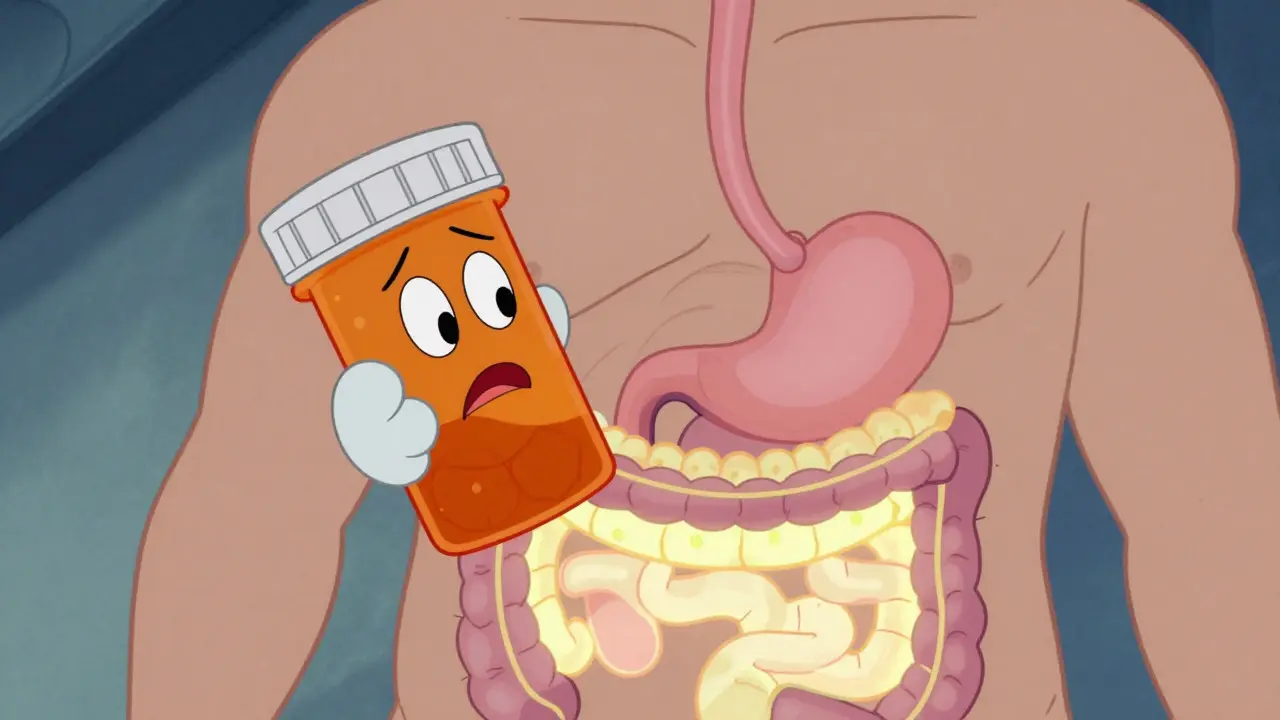
To understand why drugs behave differently, we first need to look at what happens inside the body after surgery. There are two main types of procedures: restrictive and malabsorptive. Restrictive surgeries, like the sleeve gastrectomy, a surgical procedure where approximately 80% of the stomach is removed to create a smaller gastric pouch, limit how much food you can eat. Malabsorptive surgeries, such as the Roux-en-Y gastric bypass (RYGB), a surgical procedure that creates a small stomach pouch and connects it directly to the small intestine, bypassing the duodenum and part of the jejunum, limit how many nutrients your body absorbs by rerouting the digestive path.
The physiological impact is profound. In a normal stomach, acid levels (pH) range from 1.5 to 3.5, which helps break down certain pills. After bariatric surgery, especially RYGB, the pH rises to between 4.0 and 6.0. This less acidic environment means some drugs never dissolve properly. Furthermore, gastric emptying time drops from the normal 2-5 hours to just 30-60 minutes. Your food-and your meds-move through your system much faster. According to data from the International Federation for the Surgery of Obesity and Metabolic Disorders (IFSO), RYGB accounts for about 43.5% of global procedures, while sleeve gastrectomy makes up 49.5%. These anatomical shifts mean that standard dosing guidelines often no longer apply.
Why Some Medications Fail After Surgery
Not all drugs are affected equally. The key factors are the drug’s chemical properties and its formulation. Here is where things get tricky for patients and providers:
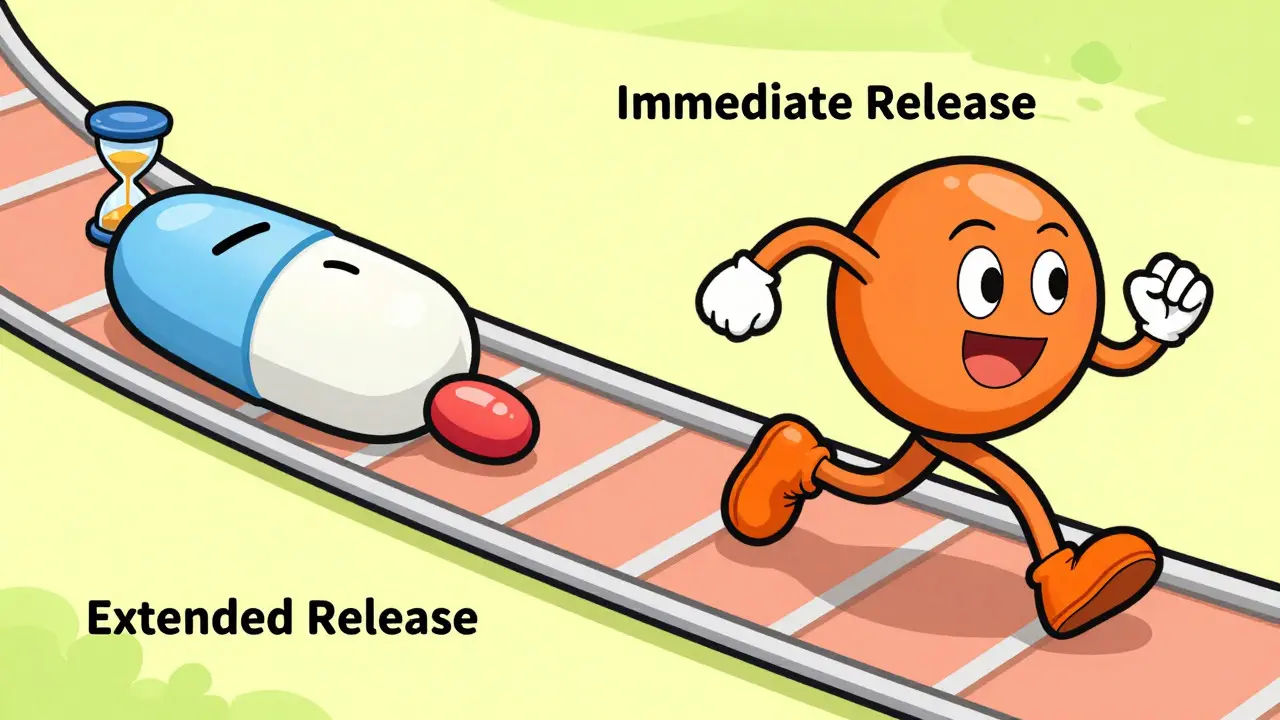
- Extended-Release (ER) Formulations: These pills are designed to release medication slowly over 12 or 24 hours as they travel through the gut. With a shorter intestinal pathway and faster transit times, ER pills may pass through before fully dissolving. A study by the Mayo Clinic found that 47% of time-release medications required conversion to immediate-release versions after RYGB. Drugs like glipizide XL and metformin ER often show reduced efficacy.
- Enteric-Coated Tablets: These have a special coating to protect them from stomach acid. Since the stomach is now less acidic and the duodenum is bypassed in RYGB, the coating might not dissolve when it should, or it might dissolve too late in the intestine, leading to poor absorption.
- Lipophilic (Fat-Soluble) Drugs: These require bile salts for absorption. Because bariatric surgery reduces bile-salt mixing, drugs like cyclosporine or certain antifungals may not be absorbed effectively.
- Acid-Dependent Drugs: Medications like ketoconazole or iron supplements need an acidic environment to work. With higher gastric pH, their bioavailability drops significantly.
A 2022 systematic review by Alalwan et al. analyzed 60 studies and found that 28 reported decreased drug absorption post-surgery. However, another review by Konstantinidou et al. noted that for some immediate-release drugs, absorption actually happens *faster* because the drug reaches the intestine quicker. This contradiction highlights why one-size-fits-all advice doesn’t work.
| Medication Class | Typical Impact Post-RYGB | Recommended Adjustment |
|---|---|---|
| Levothyroxine (Thyroid) | Decreased absorption (25-30%) | Increase dose; monitor TSH every 6 weeks initially |
| Warfarin (Anticoagulant) | Variable; often requires higher doses due to Vitamin K deficiency | Frequent INR monitoring; adjust dose based on results |
| Metformin ER (Diabetes) | Reduced bioavailability (30-40% lower plasma levels) | Switch to immediate-release; split doses |
| Oxycodone CR (Pain) | Significantly reduced bioavailability (up to 60%) | Switch to immediate-release opioid; careful titration |
| Calcium Carbonate | Poorly absorbed in low-acid environment | Switch to Calcium Citrate; take with meals |
Dose and Formulation Adjustments: Practical Steps
If you are managing medications for a bariatric patient, you need a systematic approach. The American Society for Metabolic and Bariatric Surgery (ASMBS) published guidelines in 2021 recommending specific actions to ensure safety and efficacy.
- Preoperative Review: Before surgery, identify all extended-release and enteric-coated medications. Convert them to immediate-release or liquid formulations if possible. For example, convert metformin ER to immediate-release using a 1:1.25 ratio.
- Choose the Right Formulation: Liquid forms, chewable tablets, or orally disintegrating tablets are preferred, especially in the first three months post-op. Avoid large pills that might cause blockages or fail to dissolve.
- Adjust Timing: Take medications 30-60 minutes before meals for acid-dependent drugs. For lipophilic drugs, taking them with a small amount of fat-containing food can improve absorption.
- Monitor Therapeutic Levels: For narrow-therapeutic-index drugs like warfarin, phenytoin, or levothyroxine, regular blood tests are non-negotiable. The ASMBS specifies target trough levels for 12 high-risk drug classes. Monitoring frequency should start weekly for anticoagulants and move to quarterly for stable antidepressants.
- Watch for Interactions: Multivitamins containing calcium or iron can bind to other drugs like thyroid hormone or antibiotics, preventing their absorption. Separate these doses by at least four hours.
The NHS Specialist Pharmacy Service developed a 5-step assessment tool in 2022 that reduced medication-related readmissions by 34% in UK hospitals. This tool emphasizes evaluating drug properties, surgical type, and individual patient factors together.

Navigating Challenges in Clinical Practice
Despite clear guidelines, implementation remains difficult. A 2022 survey by the American Pharmacists Association revealed that 78% of community pharmacists feel inadequately trained in post-bariatric medication management. Many patients report "pills not dissolving properly" or feeling that their medications "aren’t working as expected."
Consider the case of levothyroxine. Patients often see their required dose jump from 75mcg to 125mcg or more after RYGB. Without close monitoring, hypothyroidism symptoms can return silently. Similarly, warfarin dosing becomes unpredictable due to changes in Vitamin K intake and absorption. Vanderbilt University Medical Center studied 217 RYGB patients and found that 60% required a 25-35% increase in warfarin dose.
For patients, the emotional toll is real. Reddit communities like r/bariatricsurgery are filled with stories of frustration. One user described spending months trying to figure out why their anxiety medication wasn’t working, only to discover later that the extended-release formulation was passing through their system intact. Education is key. Patients must know to ask their pharmacist: "Is this pill safe for my altered anatomy?"
The Future of Bariatric Pharmacotherapy
The landscape is evolving rapidly. Regulatory bodies are catching up. The FDA added bariatric-specific warnings to 17 drug labels between 2022 and 2023. The European Medicines Agency now requires new oral medications to include bariatric absorption data in their registration packages. This will likely lead to better-designed drugs for this population.
Innovation is also emerging. Companies are developing pH-adaptive capsules that maintain dissolution in higher pH environments. Preliminary trials show these could restore absorption efficiency to 85% in post-bariatric patients, compared to 45% for standard formulations. Additionally, non-oral routes like subcutaneous implants (e.g., Intarcia Therapeutics’ ITCA 650) offer a bypass solution entirely, maintaining 92% efficacy in post-RYGB patients.
Artificial intelligence is also playing a role. The American College of Clinical Pharmacy established a Bariatric Special Interest Group that developed an AI-powered dosing calculator. Implemented in 83 US hospitals, it reduced dose adjustment errors by 41% in its first year. As pharmacogenomic testing integrates with surgical planning, we may soon predict individual absorption profiles before the first incision is made.
Which bariatric surgery has the biggest impact on medication absorption?
The Roux-en-Y gastric bypass (RYGB) generally has the most significant impact because it bypasses the duodenum and proximal jejunum, areas critical for absorbing many drugs. It alters gastric pH and accelerates transit time more than sleeve gastrectomy. Biliopancreatic diversion causes even more severe malabsorption but is performed less frequently.
Can I still take extended-release medications after bariatric surgery?
It depends on the drug and the surgery. Many extended-release (ER) formulations are not recommended after RYGB because they may pass through the shortened intestine without fully releasing the medication. It is often safer to switch to immediate-release versions and split the dose throughout the day. Always consult your pharmacist or surgeon before continuing ER meds.
How long does it take for medication needs to stabilize after surgery?
Medication requirements can fluctuate for 6 to 12 months post-surgery as your body adapts to weight loss and anatomical changes. Close monitoring is essential during this period. For example, diabetes medications may need rapid reduction or cessation, while thyroid medications may require increases. Stable dosing is usually achieved after the first year.
What should I do if my current medication isn’t working after surgery?
Do not stop taking your medication abruptly. Contact your healthcare provider immediately. They may order blood tests to check drug levels (like TSH for thyroid or INR for warfarin). You might need a different formulation (liquid or immediate-release) or a dose adjustment. Keep a log of your symptoms and medication times to share with your doctor.
Are there any vitamins that are harder to absorb after bariatric surgery?
Yes, several vitamins and minerals are poorly absorbed, particularly after malabsorptive procedures. Calcium carbonate is ineffective in low-acid environments; switch to calcium citrate. Iron, vitamin B12, and fat-soluble vitamins (A, D, E, K) also require specialized supplementation. Lifelong adherence to a bariatric-specific multivitamin is crucial to prevent deficiencies.
Tegan Morey
July 31, 2026 AT 21:01hey everyone, just wanted to share my experience with this. i had my bypass about two years ago and honestly the medication changes were a nightmare at first. my thyroid levels went through the roof because the absorption was so messed up. it took forever for my endocrinologist to figure out i needed liquid levothyroxine instead of the pill. if you are going under the knife make sure you talk to your pharmacist about switching to immediate release or liquid forms before you even go in there. it saves so much headache later on when you are trying to heal and not deal with sick days.
Michelle Alavaski
August 1, 2026 AT 00:13The pharmaceutical industry is simply terrified of this demographic because it exposes the fragility of their one-size-fits-all profit model. They push extended-release formulations not for patient benefit but for convenience in manufacturing and higher price points. The fact that they only added warnings after being forced by regulatory bodies proves they knew about the malabsorption issues for decades while patients suffered silent therapeutic failures. It is a calculated negligence disguised as standard care.
Josh Atkinson
August 1, 2026 AT 06:55Look, I get the frustration, but let's not throw the baby out with the bathwater here. 😊 The data presented here is actually quite robust and aligns with what we see in clinical practice every single day. The key takeaway isn't that the drugs are bad, but that the anatomy has changed fundamentally. People need to stop treating their post-op bodies like they did pre-op. If you take an ER metformin after a RYGB, you are basically flushing money down the toilet because that coating isn't dissolving in your shortened gut. Switch to IR, split the dose, and monitor your A1C. It’s basic pharmacokinetics 101 that most general practitioners seem to forget until it’s too late.
jackie healey
August 1, 2026 AT 14:12This is such an incredibly important topic!! As a pharmacist, I see this gap in knowledge all the time. Patients often come in confused why their anxiety meds or blood pressure pills aren't working. The part about calcium carbonate vs calcium citrate is crucial because so many people stick with their old cheap supplements and end up with bone density issues. Please, please ask your healthcare provider to review your entire med list pre-surgery! Also, don't forget about the vitamin B12 injections! 💉
Diane Nash
August 3, 2026 AT 13:31It is imperative that we recognize the profound physiological alterations induced by these surgical interventions. The shift from a highly acidic gastric environment to a more neutral pH state fundamentally alters the dissolution kinetics of numerous pharmaceutical agents. Consequently, the bioavailability of acid-dependent medications is compromised, necessitating a rigorous re-evaluation of dosing regimens. We must advocate for a more personalized approach to pharmacotherapy, wherein individual patient responses are meticulously monitored and adjusted accordingly. This is not merely a matter of convenience; it is a critical component of post-operative care that demands our undivided attention and intellectual rigor.
Lilith Stepanyan
August 3, 2026 AT 18:25Let's be real though, half these patients are just looking for an excuse to mess with their meds. The article says 78% of pharmacists feel untrained, which sounds like copium to me. If you can't read a label or understand basic absorption rates, maybe you shouldn't be managing chronic conditions. The body adapts, sure, but blaming the formulation for everything ignores the fact that compliance is already a massive issue in this community. People skip doses, eat wrong, and then blame the pill. It’s a systemic failure of discipline, not just chemistry.
Sansaray Jones
August 4, 2026 AT 22:12i mean its pretty wild how much the ph level changes. never thought about how that affects pills specifically. thanks for the info
Fenton Quinn
August 6, 2026 AT 06:55The philosophical implication here is significant. We alter the vessel to change the content, yet we fail to adjust the content to fit the new vessel. It suggests a broader disconnect in modern medicine between anatomical intervention and pharmacological maintenance. One must consider whether the current guidelines are reactive rather than proactive. Are we truly understanding the metabolic shift, or are we merely patching symptoms? The answer likely lies in better integration of surgical and pharmacological teams from day one.
Veronica Agbanyim
August 8, 2026 AT 00:39It is morally reprehensible that insurance companies often cover the surgery but leave patients to navigate the complex medication adjustments on their own without adequate specialist support. Patients are left vulnerable to therapeutic failures because the system prioritizes cost-cutting over comprehensive care. We have a duty to ensure that those who undergo these life-changing procedures are not abandoned when it comes to their ongoing health management. The lack of standardized protocols across different healthcare providers is a scandal that needs immediate rectification.
Gary Browne
August 8, 2026 AT 19:55I had sleeve gastrectomy last year and my doctor didn't tell me anything about changing my pain meds. I was taking oxycodone CR for back pain and realized months later it wasn't touching the pain at all. Had to switch to IR and it was a huge hassle getting the prescription rewritten. You guys should really demand better pre-op counseling. It feels like they rush you through the surgery prep and forget the long-term stuff.
Christina Thygesen
August 9, 2026 AT 05:05it really is scary thinking about how much our bodies change. i always worry about forgetting to take my vitamins at the right time. reading this makes me want to call my doctor and double check everything. thanks for sharing this info it helps a lot
charlie student
August 10, 2026 AT 04:20Interesting perspective on the AI dosing calculators. It seems like technology might finally bridge the gap between the rapid weight loss phase and stable medication management. The variability in human biology is vast, and relying solely on static guidelines feels outdated. Perhaps the future lies in dynamic, real-time adjustment tools that integrate with wearable health data. It would be fascinating to see how these systems evolve over the next decade.
Josh Atkinson
August 10, 2026 AT 17:08@8984 That is exactly why you need to advocate for yourself! 😊 Don't wait for them to remember. Print out this article or similar guidelines and hand it to your surgeon during your final consult. Say 'I want to discuss my ER medications.' Most surgeons are busy and assume you know, but they won't mind if you show initiative. It’s better to be safe than sorry, especially with opioids where under-dosing can lead to withdrawal or unmanaged pain. Keep pushing!