 Jul, 3 2026
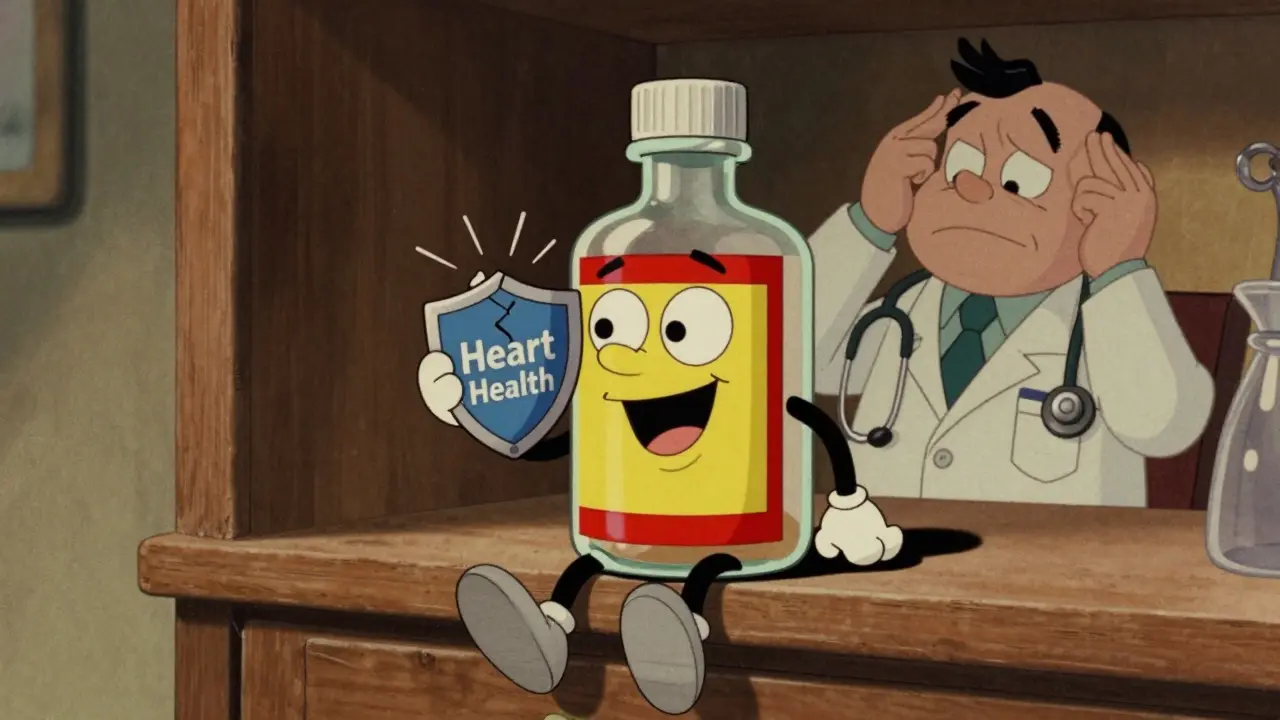
You might have a bottle of baby aspirin sitting in your medicine cabinet right now. For decades, doctors told us to take one every day to keep our hearts healthy. It was simple advice that felt like insurance against heart attacks. But if you are reading this in 2026, that old rule has changed dramatically. The medical consensus on aspirin therapy for preventing heart disease has shifted from a blanket recommendation to a highly specific, personalized decision.
The short answer? If you do not already have heart disease, you probably should not be taking daily aspirin unless your doctor specifically calculates that your benefits outweigh the risks. For most adults over 60, the risk of serious bleeding now outweighs the benefit of preventing a first heart attack. This is a major shift from the past, and understanding who actually needs aspirin can save you from unnecessary health complications.
Why Did the Rules Change?
To understand why aspirin is no longer a universal shield, we have to look at how medical science has evolved. Aspirin works by thinning your blood. Specifically, it irreversibly inhibits an enzyme called cyclooxygenase-1 (COX-1), which stops platelets from clumping together. This prevents clots from forming in your arteries, which is exactly what causes heart attacks and ischemic strokes.
In the 1980s and 1990s, landmark studies like the Physicians' Health Study showed that aspirin reduced heart attacks. At that time, people had higher blood pressure, higher cholesterol, and fewer effective treatments for those conditions. Aspirin offered a significant edge. Today, however, we have powerful statins that lower cholesterol, better medications for blood pressure, and lifestyle interventions that drastically reduce cardiovascular risk.
Recent large-scale trials, such as ASPREE, ASCEND, and ARRIVE published around 2018, revealed a different picture. These studies looked at healthy older adults and found that while aspirin did slightly reduce heart events, it significantly increased the risk of major bleeding. When you balance the two, the net benefit disappears for many people. In fact, for some groups, the harm caused by bleeding exceeds the protection against heart disease.
Primary vs. Secondary Prevention: The Critical Difference
This is where most confusion lies. You need to know whether you are looking at primary prevention or secondary prevention.
- Secondary Prevention: You have already had a heart attack, stroke, stent placement, or bypass surgery. In this case, aspirin is still the gold standard. It reduces the risk of another event by about 21% and lowers all-cause mortality by 13%. If you fall into this category, you almost certainly need to keep taking aspirin unless your cardiologist says otherwise.
- Primary Prevention: You have never had a heart attack or stroke. You are taking aspirin just in case. This is where the new guidelines apply. The decision here is much more complex and depends heavily on your age and individual risk factors.
If you are in the primary prevention group, the era of "just take it" is over. We now use precise calculations to determine if the drug helps you more than it hurts you.
Who Should Consider Daily Aspirin?
According to the 2022 update from the US Preventive Services Task Force (USPSTF) and the American College of Cardiology/American Heart Association (ACC/AHA), the window for aspirin use has narrowed considerably. Here is the breakdown by age and risk.
| Age Group | Recommendation | Key Conditions |
|---|---|---|
| Ages 40-59 | Case-by-case decision | Must have a 10-year CVD risk of 10% or higher. Must NOT have high bleeding risk. |
| Ages 60+ | Do NOT initiate | Risks of bleeding outweigh benefits for primary prevention. |
| Diabetics (>40) | Consider with caution | Recommended by ADA if additional risk factors exist, but bleeding risk must be assessed. |
For adults aged 40 to 59, the decision is not automatic. Your doctor should calculate your 10-year cardiovascular disease (CVD) risk using the ACC/AHA pooled cohort equation. This tool looks at your age, sex, race, total cholesterol, HDL cholesterol, systolic blood pressure, diabetes status, and smoking history. If your score is below 10%, aspirin is generally not recommended. If it is above 10%, you and your doctor discuss whether the potential benefit is worth the risk.
For anyone 60 or older, the USPSTF recommends against starting aspirin for primary prevention. Why? Because as we age, our blood vessels become more fragile, and the risk of gastrointestinal bleeding and intracranial hemorrhage rises sharply. Studies show that aspirin increases major bleeding events by approximately 43% in these populations. That is a steep price to pay for a marginal reduction in heart attack risk, especially when other medications manage those risks more safely.

Calculating Your Risk: Beyond Just Age
It is not enough to just look at your birthday. You need a full picture of your health profile. Two main assessments guide this decision: your cardiovascular risk and your bleeding risk.
Cardiovascular Risk Assessment
Your doctor will likely use the Pooled Cohort Equations. This isn't just a guess; it's a statistical model based on data from thousands of patients. Factors that push your risk up include:
- High total cholesterol or low HDL (the "good") cholesterol.
- Hypertension (high blood pressure), even if treated.
- Smoking current cigarettes.
- Having diabetes mellitus.
- Family history of early heart disease.
Bleeding Risk Assessment
Equally important is assessing how likely you are to bleed. Doctors often use the HAS-BLED score or similar clinical judgments. Red flags for high bleeding risk include:
- A history of stomach ulcers or gastrointestinal bleeding.
- Use of other blood thinners (like warfarin or apixaban) or frequent NSAID use (ibuprofen, naproxen).
- Uncontrolled high blood pressure.
- Kidney or liver disease.
- Falling frequently (risk of head trauma).
- Heavy alcohol consumption.
If you have multiple bleeding risk factors, aspirin is likely dangerous for you, regardless of your heart disease risk.
Special Cases: Diabetes and High Calcium Scores
Some groups sit in a gray area. People with diabetes, for example, have a higher baseline risk for heart disease. The American Diabetes Association suggests considering aspirin for diabetics over 40 who have additional risk factors. However, this is not a mandate. Many endocrinologists now prefer aggressive lipid management with statins over aspirin for diabetic patients without prior heart events.
Another emerging factor is Coronary Artery Calcium (CAC) scoring. This CT scan measures the amount of calcified plaque in your arteries. A CAC score of zero suggests a very low risk of a heart attack in the next few years, making aspirin unnecessary. A high CAC score indicates significant plaque buildup. Some experts argue that patients with high CAC scores might still benefit from aspirin, even if their traditional risk score is moderate. This is an area of active debate, so ask your doctor if a CAC scan could clarify your need for aspirin.
The Hidden Danger: Bleeding Risks
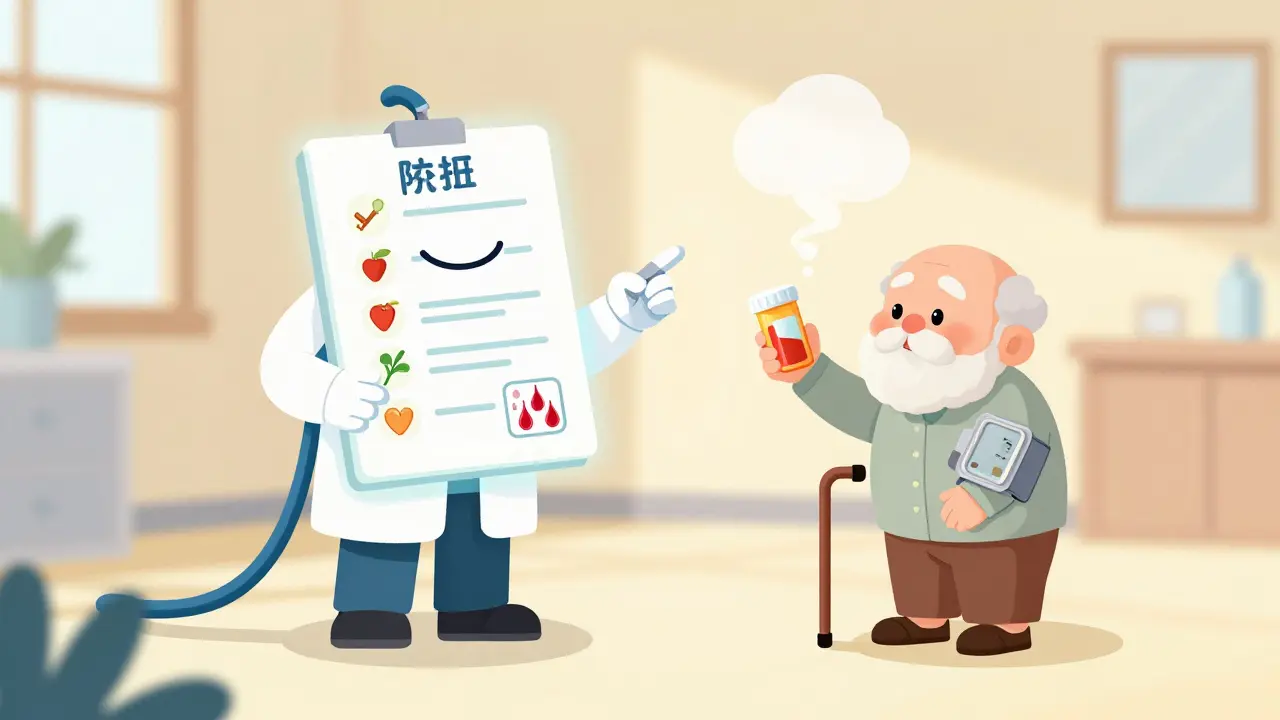
We often focus on what aspirin prevents, but we ignore what it causes. Aspirin damages the lining of the stomach and interferes with clotting throughout the body. The relative risk of upper gastrointestinal bleeding is significantly higher with aspirin use compared to placebo.
Imagine this scenario: You are 65, healthy, and take aspirin daily. Over ten years, you might prevent one nonfatal heart attack. But during that same period, you are statistically more likely to experience a major bleed-perhaps a severe ulcer requiring hospitalization or a brain bleed. Dr. Michael Gaziano from VA Boston Healthcare System warned that continued aspirin use for primary prevention in adults over 70 may cause more harm than motor vehicle accidents in the same population. That is a striking comparison that highlights the severity of the risk.
Many people report minor issues like nosebleeds or easy bruising. While annoying, these are warning signs. Major bleeds can be life-threatening and lead to anemia, emergency surgeries, or even death. The trade-off simply does not make sense for most older adults without existing heart disease.
What About Stopping If You Already Take It?
If you have been taking aspirin for years and recently turned 60, or if your doctor mentions these new guidelines, do not stop abruptly without a conversation. While the risk of stopping is generally low for primary prevention patients, sudden cessation can sometimes trigger rebound effects in certain individuals, though this is rare in primary prevention contexts.
Discuss a plan with your healthcare provider. They may suggest tapering off or switching to alternative preventive strategies. For most people, focusing on blood pressure control, cholesterol management with statins, quitting smoking, and regular exercise provides far greater protection than a small white pill.
Better Alternatives for Heart Health
If you are worried about heart disease, there are much more effective tools in the modern arsenal than aspirin. Statins, for instance, reduce cardiovascular risk by 25-37% in primary prevention, which is significantly higher than aspirin's modest 10-15% reduction. Plus, statins do not carry the same bleeding risk.
Lifestyle changes remain the foundation of prevention. Lowering your systolic blood pressure by just 10 mmHg can reduce heart attack risk substantially. Managing blood sugar levels if you are prediabetic or diabetic is crucial. And perhaps most importantly, moving your body regularly strengthens your heart muscle and improves circulation naturally.
Aspirin is a miracle drug for pain relief and for treating acute heart attacks. But as a daily preventative measure for healthy hearts, its time has largely passed. Trust the data, talk to your doctor, and don't let outdated advice put your health at risk.
Should I stop taking aspirin if my doctor prescribed it years ago?
Do not stop taking aspirin without consulting your doctor first. If you were prescribed aspirin for secondary prevention (after a heart attack or stroke), you should likely continue. If it was for primary prevention, your doctor may recommend stopping based on current guidelines, especially if you are over 60. Abruptly stopping can sometimes have unintended consequences, so professional guidance is essential.
Is baby aspirin safer than regular aspirin for heart prevention?
Baby aspirin (81 mg) is the standard dose for cardiovascular prevention because it offers antiplatelet benefits with a slightly lower risk of side effects compared to higher doses. However, even at this low dose, the risk of bleeding remains significant for older adults. The safety profile does not change the fundamental risk-benefit calculation outlined in recent guidelines.
Can I take aspirin occasionally instead of daily?
Occasional use of aspirin for pain relief is generally safe for most people, provided you do not have contraindications like ulcers or bleeding disorders. However, occasional use does not provide the consistent antiplatelet effect needed for heart disease prevention. Do not use occasional dosing as a strategy to mitigate daily risks; the mechanisms are different.
What is the best alternative to aspirin for heart health?
For most people seeking primary prevention, statins are the most effective pharmaceutical alternative, offering greater risk reduction with fewer bleeding risks. Additionally, lifestyle modifications such as controlling blood pressure, managing cholesterol through diet, exercising regularly, and not smoking provide robust protection against cardiovascular disease.
Does family history override the age guidelines for aspirin?
Family history is a factor in calculating your overall cardiovascular risk, but it does not automatically justify aspirin use if you are over 60. The bleeding risks associated with aging are physiological and apply regardless of genetics. If you have a strong family history, discuss advanced testing like coronary artery calcium scoring with your doctor to make a more informed decision.
Mary Howarth
July 5, 2026 AT 12:10Oh my goodness, this is such an incredibly important update for all of us to know about! I have been taking that little pink pill every single morning for the past fifteen years because my doctor told me it was insurance against heart attacks, and honestly, I feel so relieved to read that maybe I don't need to anymore! It is just wonderful that science is evolving and we are getting more personalized advice instead of just one size fits all recommendations. I am definitely going to print this out and bring it to my next appointment so we can talk about my specific risk factors and see if I can stop taking it. Thank you so much for sharing this information because it really makes me feel empowered to take control of my health in a smarter way! Let's all stay safe and healthy together!
Sean Estabrooks
July 6, 2026 AT 09:16Do not believe the mainstream narrative pushed by the pharmaceutical industrial complex! They want you to stop taking aspirin because they are trying to push expensive statins and new proprietary blood thinners that cost hundreds of dollars a month. The ASPREE study was funded by big pharma to create doubt about cheap generics. They are using 'personalized medicine' as a Trojan horse to harvest your genetic data and sell it to insurance companies who will then deny you coverage. Wake up sheeple! The COX-1 inhibition is exactly what keeps the chemtrails from affecting your platelets, but they don't want you to know that. Trust your gut, not the CDC or the FDA.
Gavin Edley
July 7, 2026 AT 00:36I actually started taking aspirin after reading a blog post three years ago even though I had never had a heart attack, and now I have chronic nosebleeds that won't stop. My doctor says it's just dry air but I know it's the aspirin. I feel like everyone is just following the herd without thinking for themselves. Why should I trust these guidelines when they change every five years? First it's good, then it's bad, then it's case-by-case. It's exhausting trying to keep up with the shifting goalposts of modern medicine. I'm just going to eat garlic and hope for the best because at least garlic doesn't come with a warning label about intracranial hemorrhage.
Alana Frassinelli
July 8, 2026 AT 14:20i hear you gavin its tough man i lost my dad to a stroke and he was on aspirin but he also smoked two packs a day so its hard to say what did what but reading this makes me think i should check my own numbers cause im turning 60 next year and i dont want to bleed out in my sleep either lol. my mom takes it still but she had a stent put in ten years ago so thats secondary prevention right? i guess i need to call my doc and ask about that calcium score thingy mentioned here cause i have high cholesterol too. its scary stuff but better to be informed i suppose.
jeremy pritchett
July 10, 2026 AT 09:08YOu guys are missing the point entirely!!! Its not about the pills its about the lifestyle!!! If you eat trash and sit on your butt all day no amount of baby aspirin is gonna save you!!! I run 5 miles every morning and eat raw kale and my blood pressure is perfect!!! Stop relying on big phama crutches and start moving your bodies!!! Aspirin is a bandaid on a bullet hole!!! Get off your couches and lift some weights!!! That is the real cure!!!
Kimberly Simbulan
July 11, 2026 AT 01:15Sure, Jeremy, because clearly everyone has the luxury of running 5 miles before work while ignoring their actual cardiovascular risk factors. How quaint. Meanwhile, the rest of us are dealing with genetics and busy lives. But thanks for the lecture, I needed someone to tell me I'm lazy instead of just giving me factual medical updates. So helpful. Truly. I'll be sure to frame your comment and hang it above my treadmill that I use as a clothes rack.
kavitha kumar
July 11, 2026 AT 04:56this article is so confusing why do doctors always change their minds?? my uncle died of a heart attack and he took aspirin everyday so how does that help anyone?? i am so scared now i have been taking it for 10 years and i am 58 so am i in the danger zone?? please someone tell me i am going crazy reading all this bleeding talk
fred morgan
July 12, 2026 AT 16:49The distinction between primary and secondary prevention is critical. If you have established cardiovascular disease, aspirin remains indicated. However, for primary prevention in adults over sixty, the evidence strongly suggests that the risk of major gastrointestinal bleeding outweighs the marginal benefit in preventing myocardial infarction. One should consult their physician to calculate their ten-year ASCVD risk score before making any changes to their medication regimen. Abrupt cessation should be avoided without medical supervision.
Sarah Boomgaard
July 14, 2026 AT 08:33You people are so obsessed with living forever that you forget what life is actually for. Taking poison to prevent death is just delaying the inevitable while suffering. Nature wants us to die naturally not pumped full of chemicals. The fact that you are worried about bleeding shows you are already sick in spirit. Simple food simple life no pills. You complicate everything until you break it. Go outside and touch grass instead of reading internet blogs about blood thinners.
Gilbert Bankual
July 15, 2026 AT 18:16Great info here! I stopped taking it last year after talking to my cardiologist and I feel great. Just focus on diet and exercise. Stay strong everyone!
Ashley Loera
July 17, 2026 AT 08:20OMG I cant believe I almost bled out today because I trusted the wrong advice!! My nose has been bleeding for hours and I thought it was just allergies but now I realize it was the aspirin I took this morning!! I am so mad at myself for not reading this sooner!! Who writes these articles anyway?? Are they trying to kill us?? I am calling my doctor right now and demanding answers!! This is insane!!